
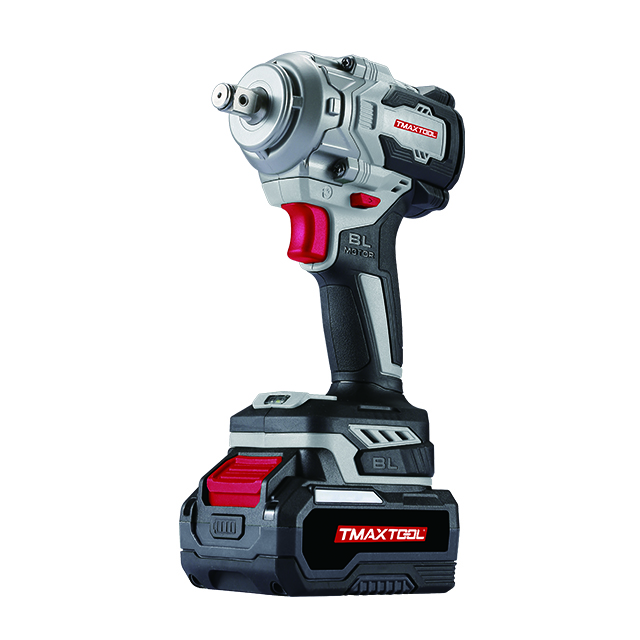
 Impact Wrench
 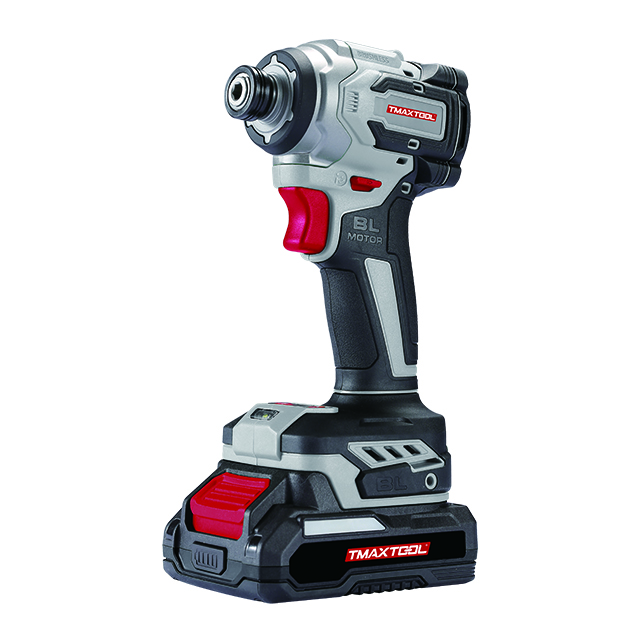 Screwdriver
 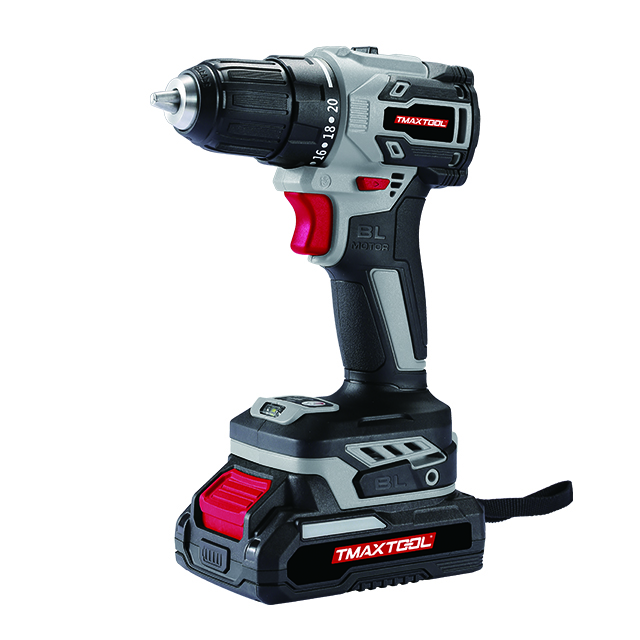 Cordless Drill
 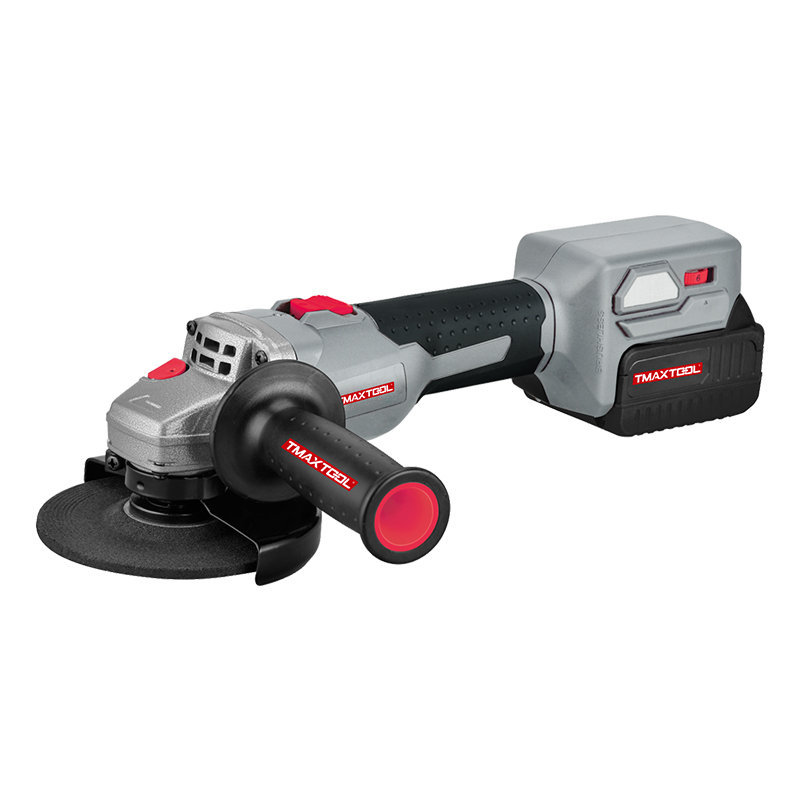 Angle Grinder
 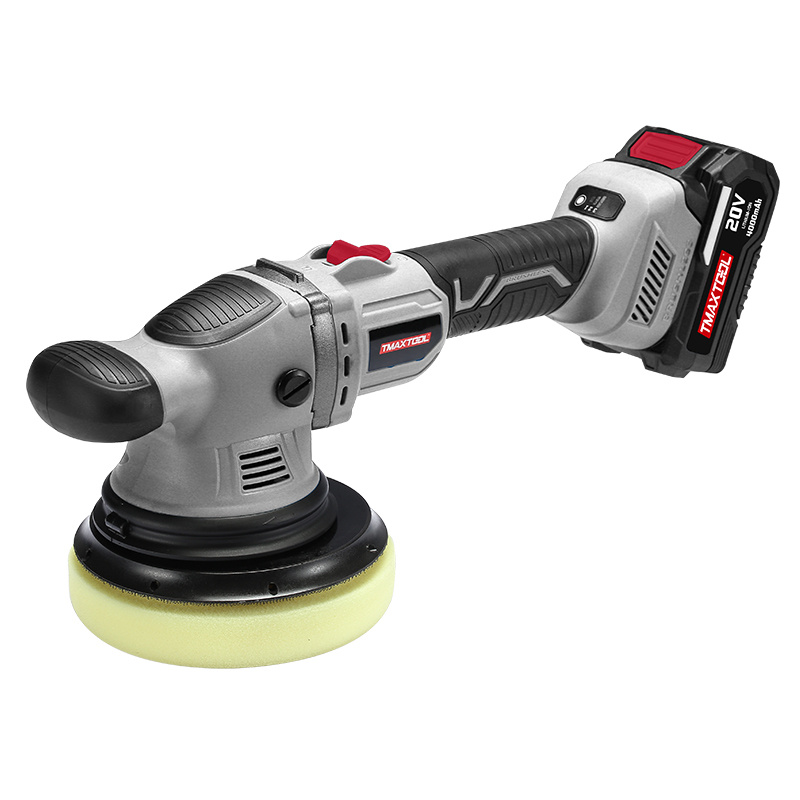 Polisher
 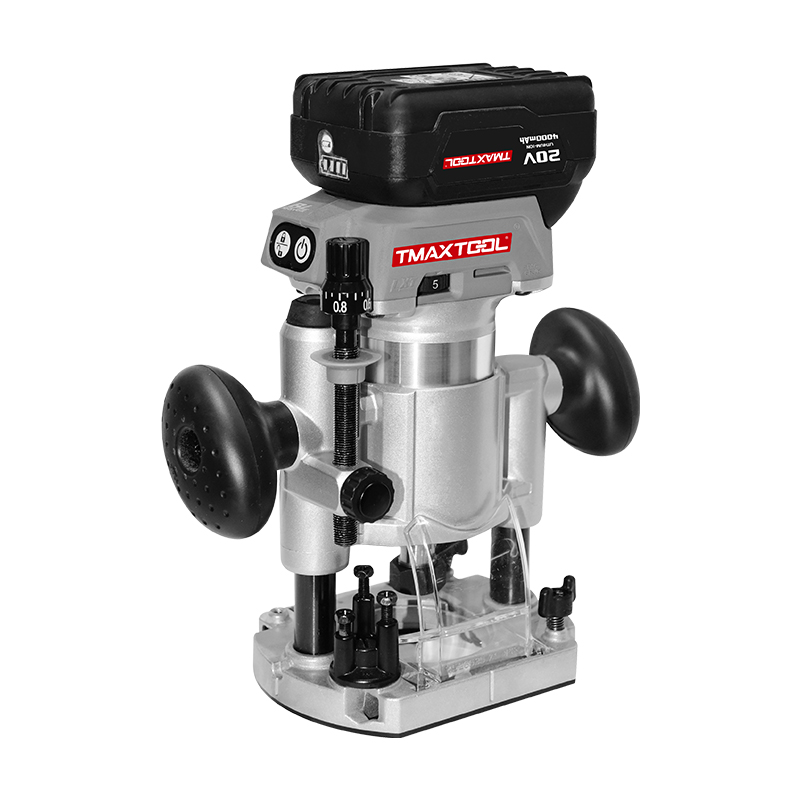 Wood Router
 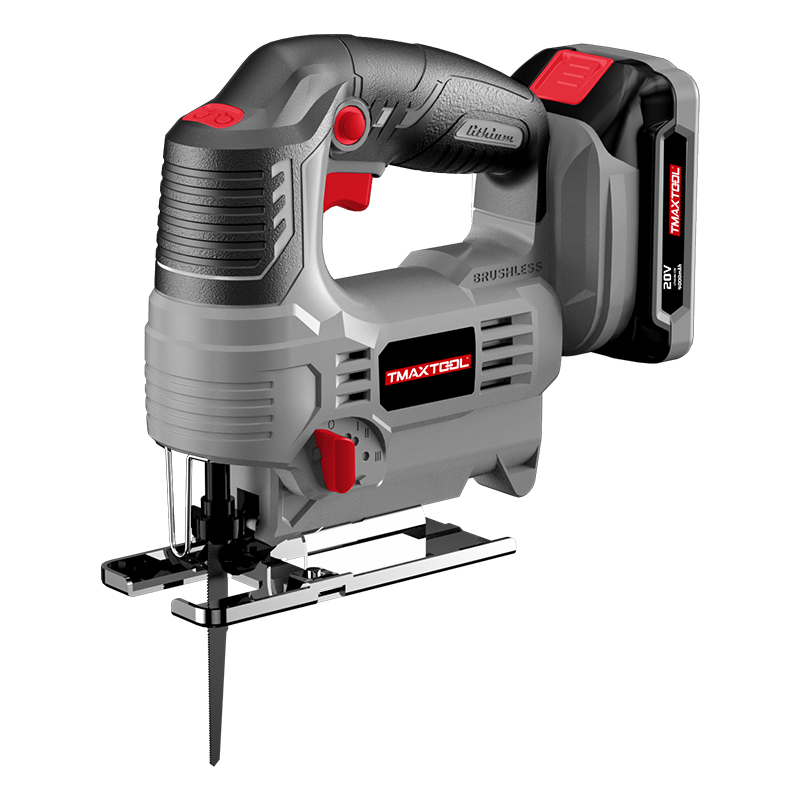 Jig Saw
 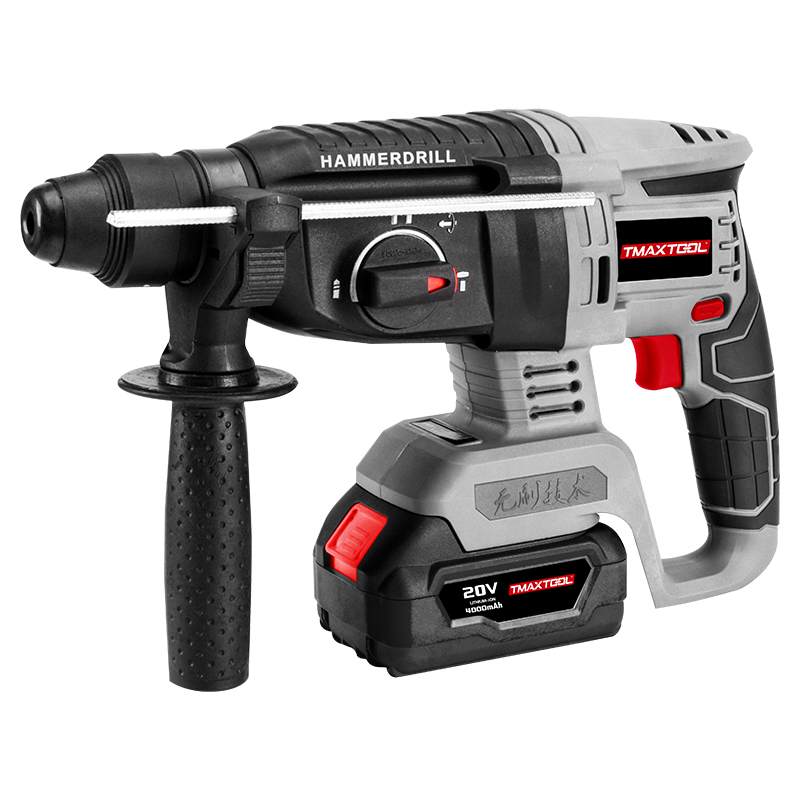 Hammer Drill
 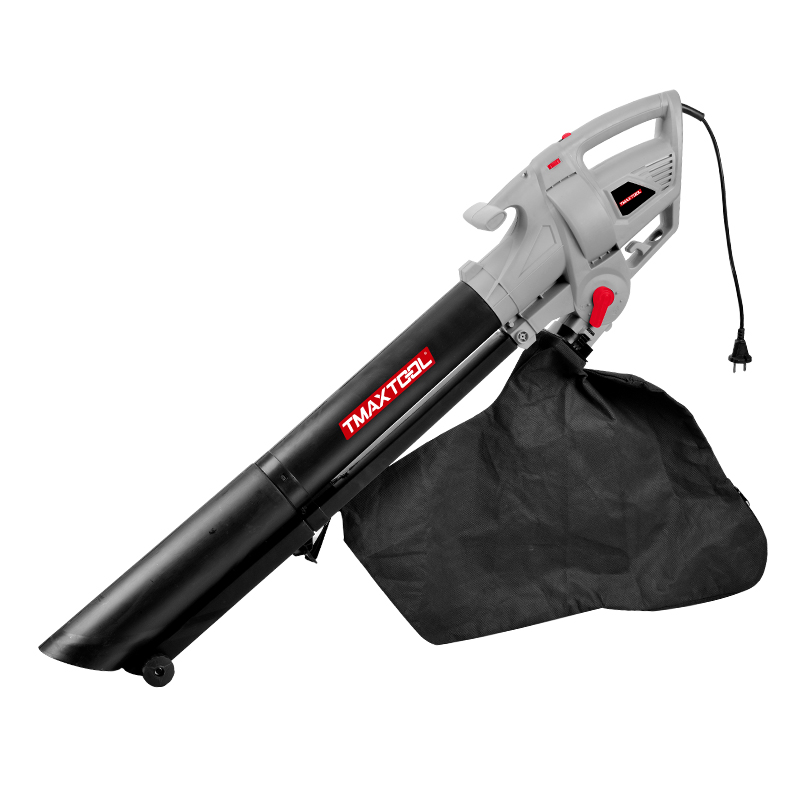 Portable Blower
 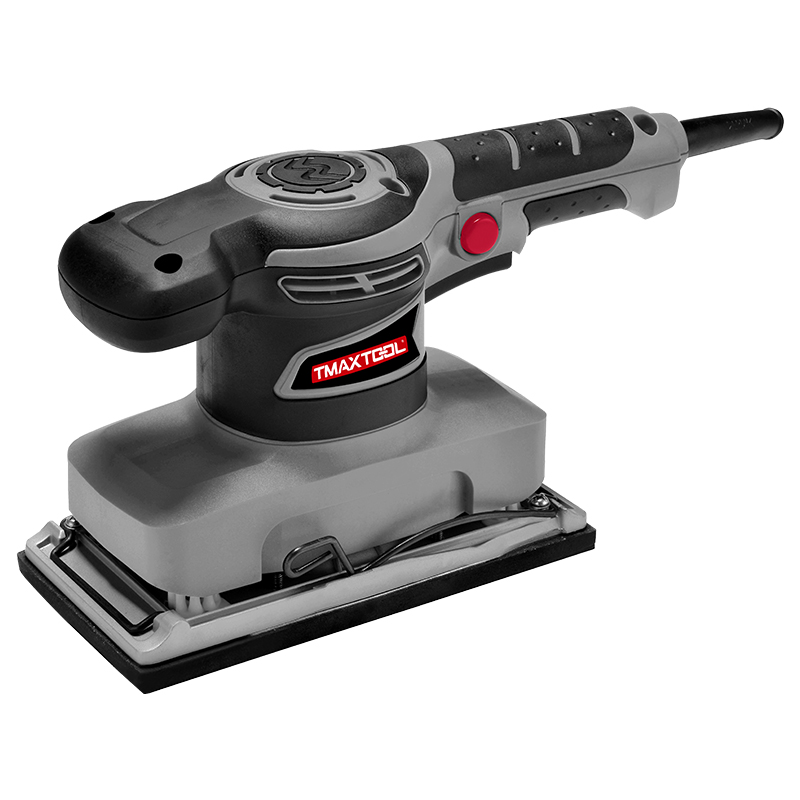 Orbital Sander
 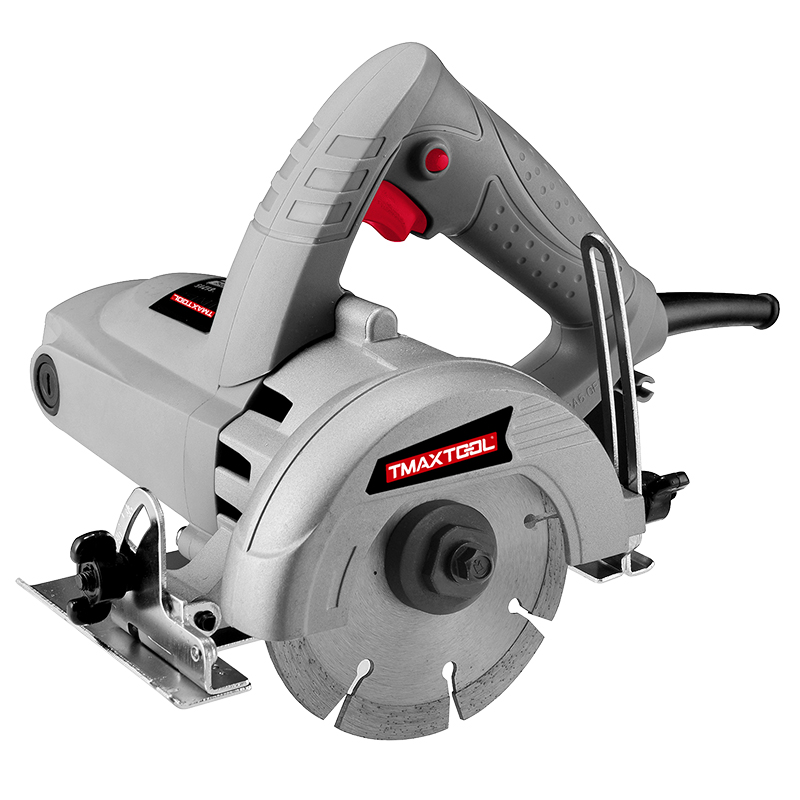 Marble Cutter
 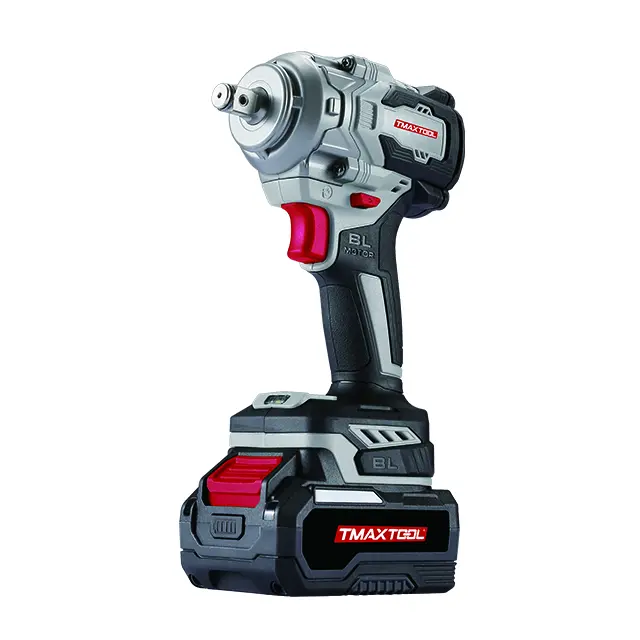 GARDEN TOOLS
 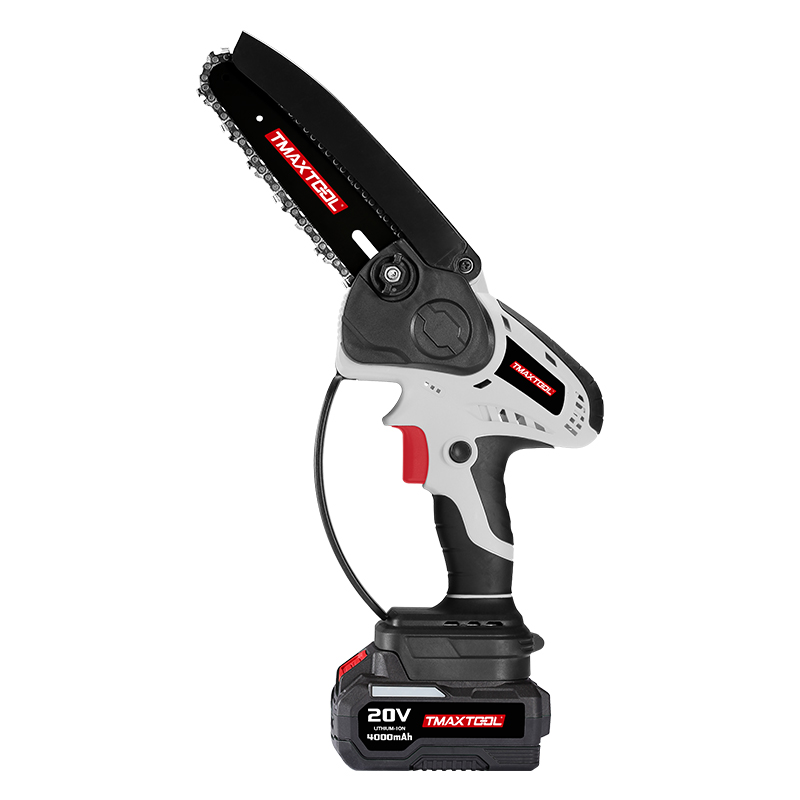 Battery Chain Saw
 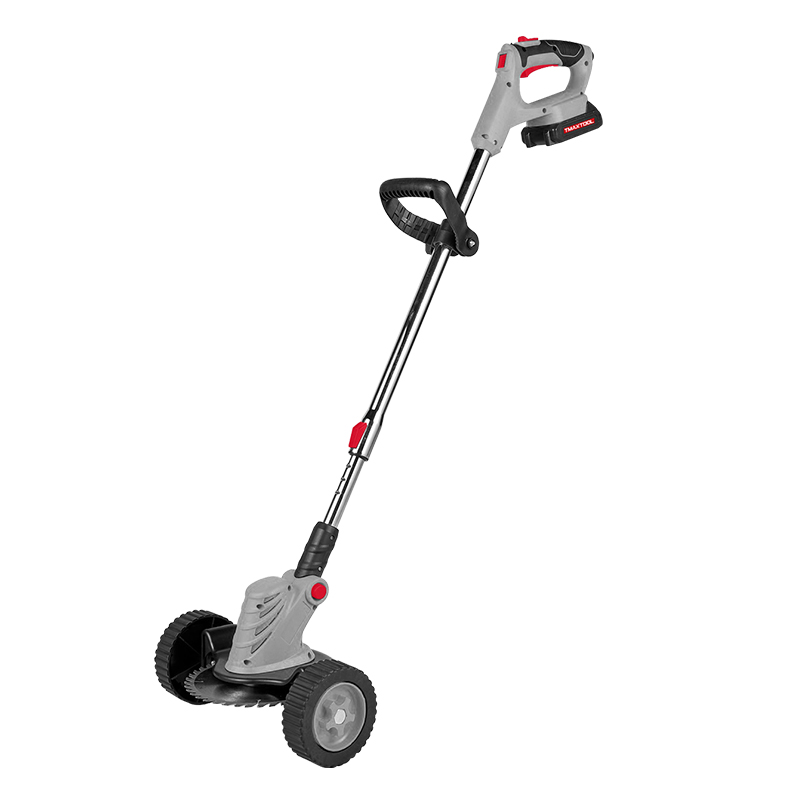 Battery Brush Cutter
 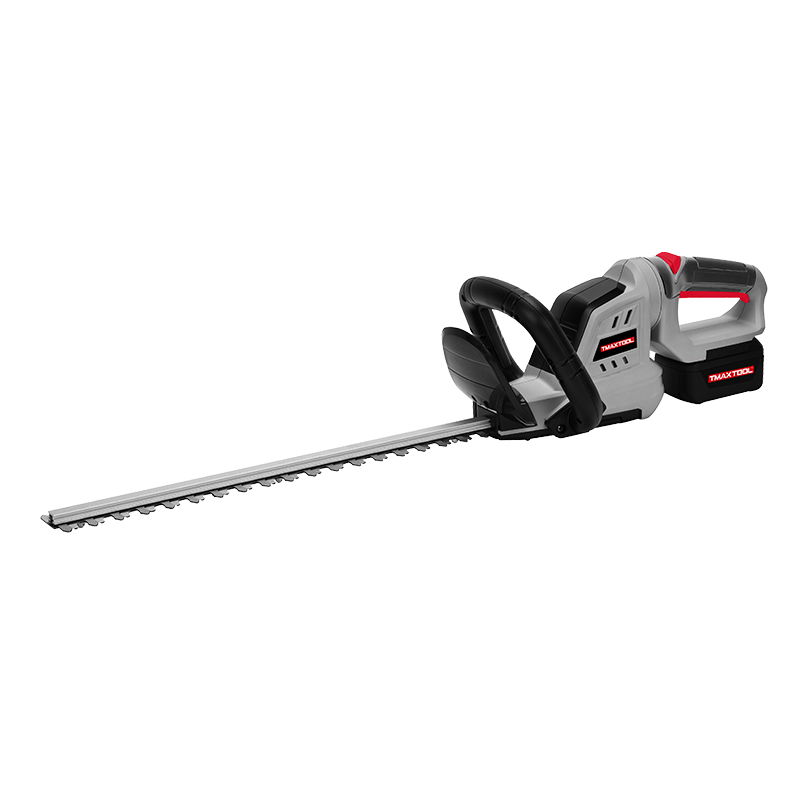 Battery Hedge Trimmer
 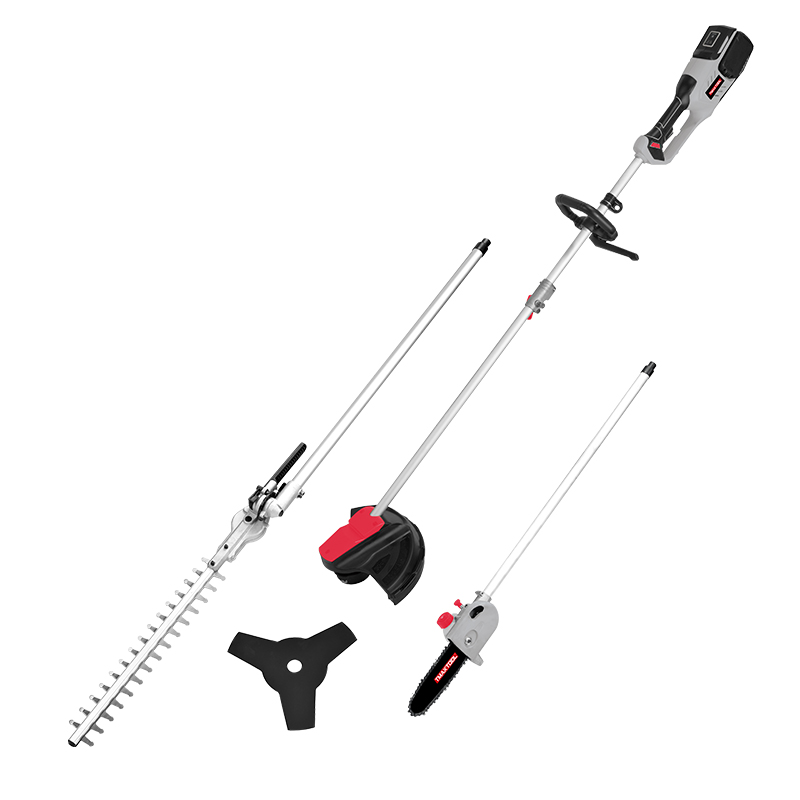 Battery Multi Tool
 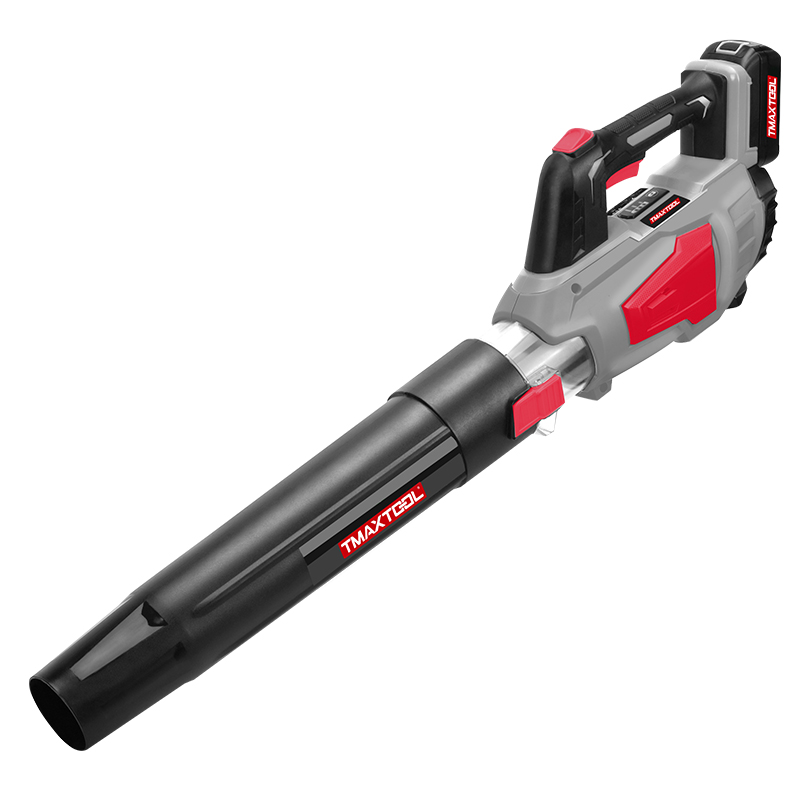 Battery Blower
 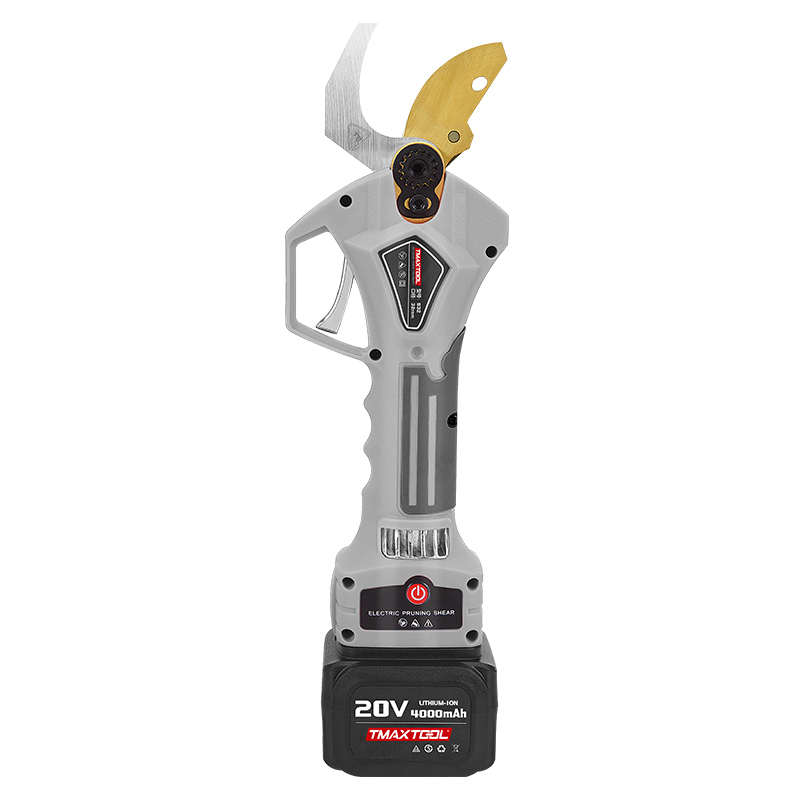 Batter Pruning Shears
 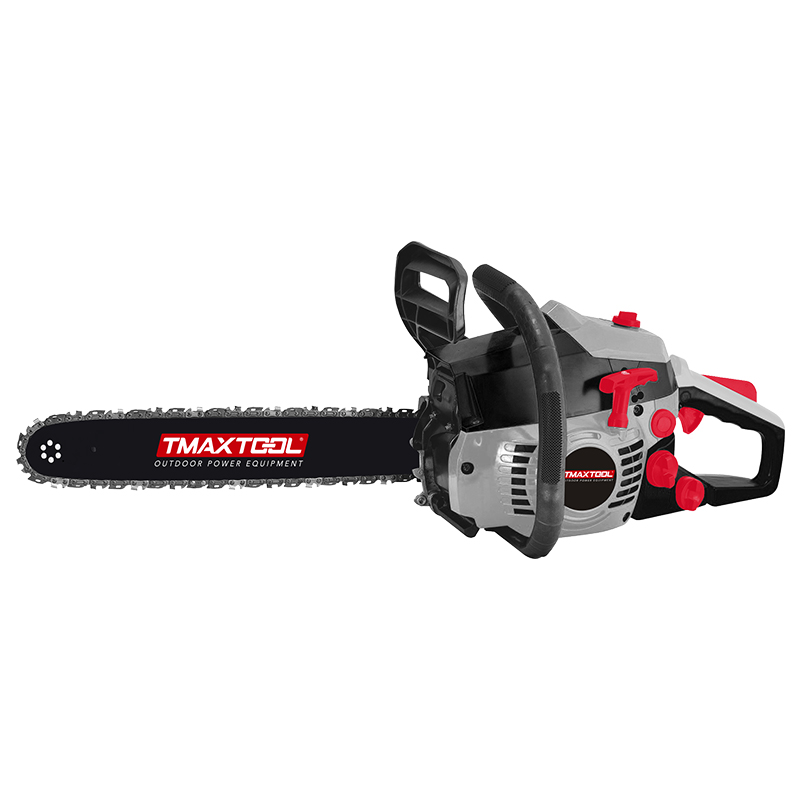 Chain Saw
 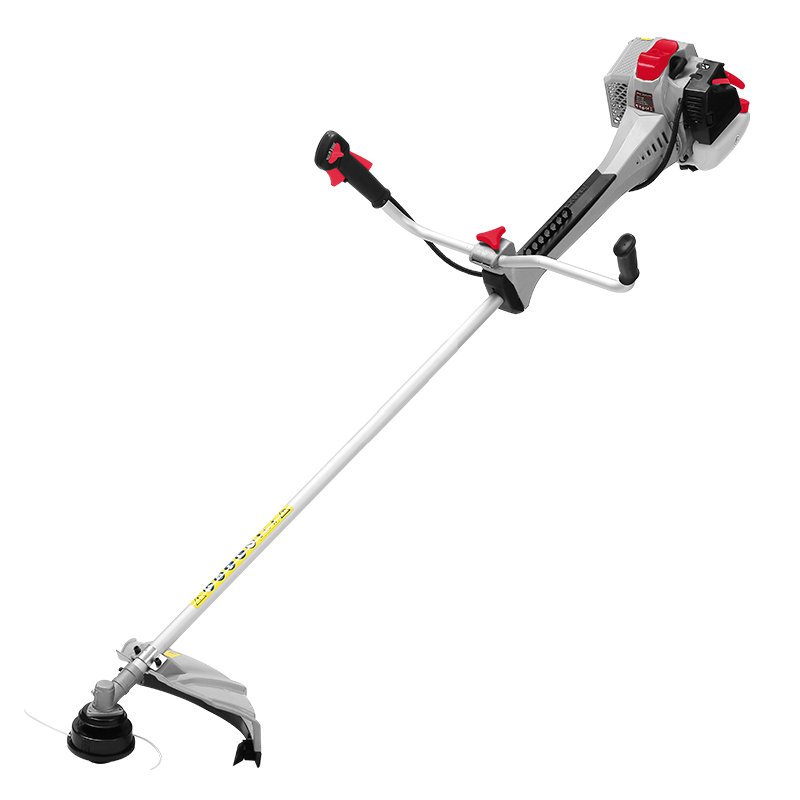 Brush Cutter
 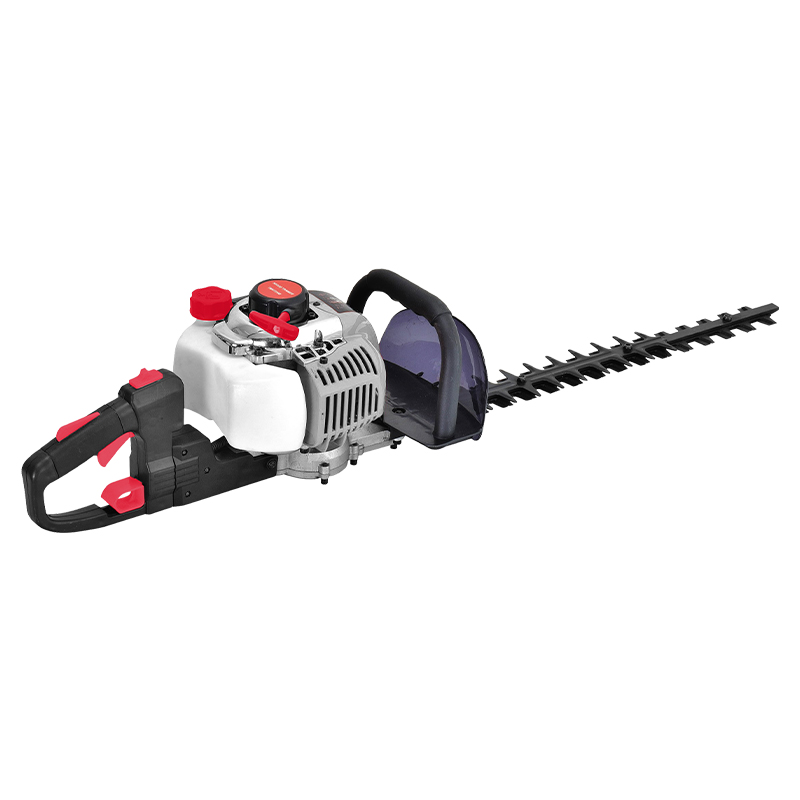 Hedge Trimmer
 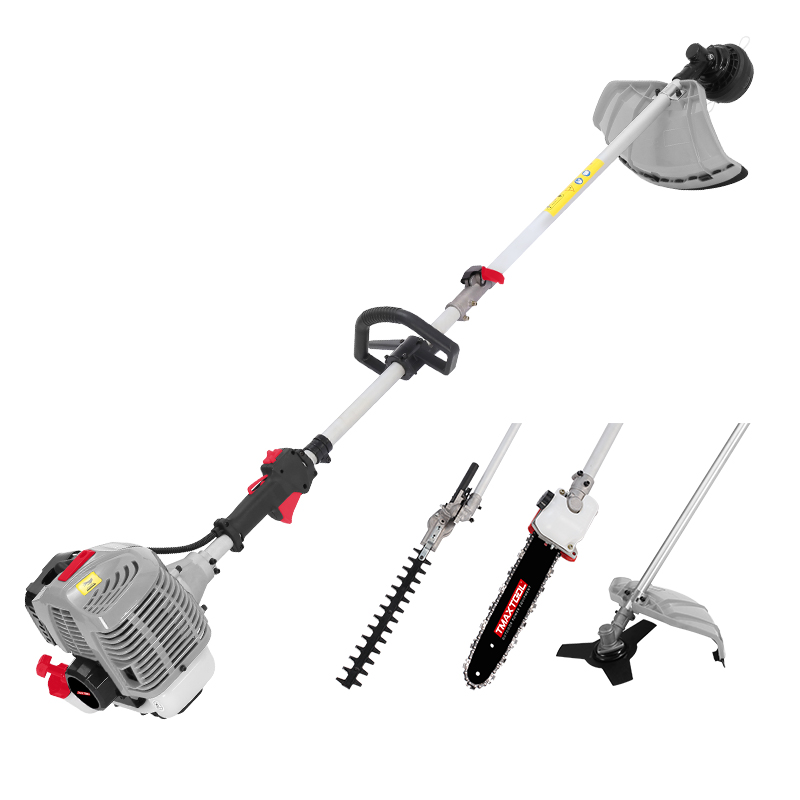 Multi Tool
 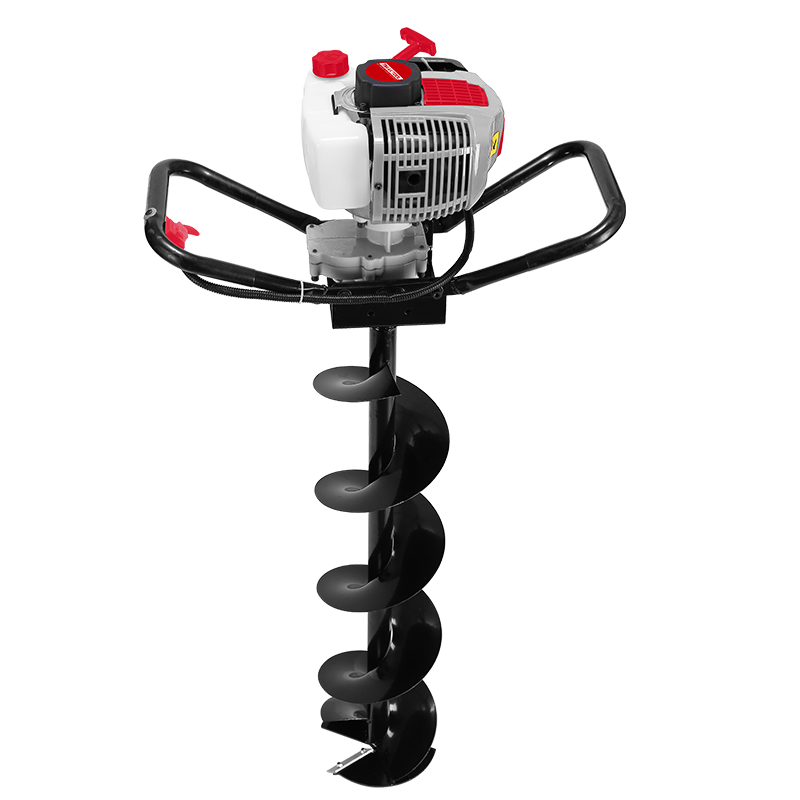 Earth Auger
 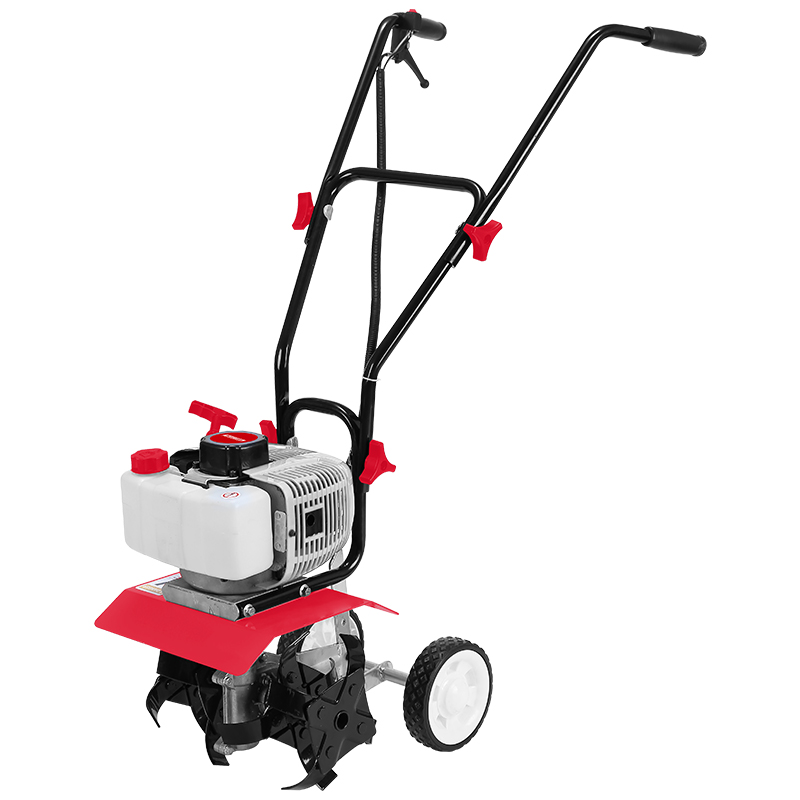 Tiller
 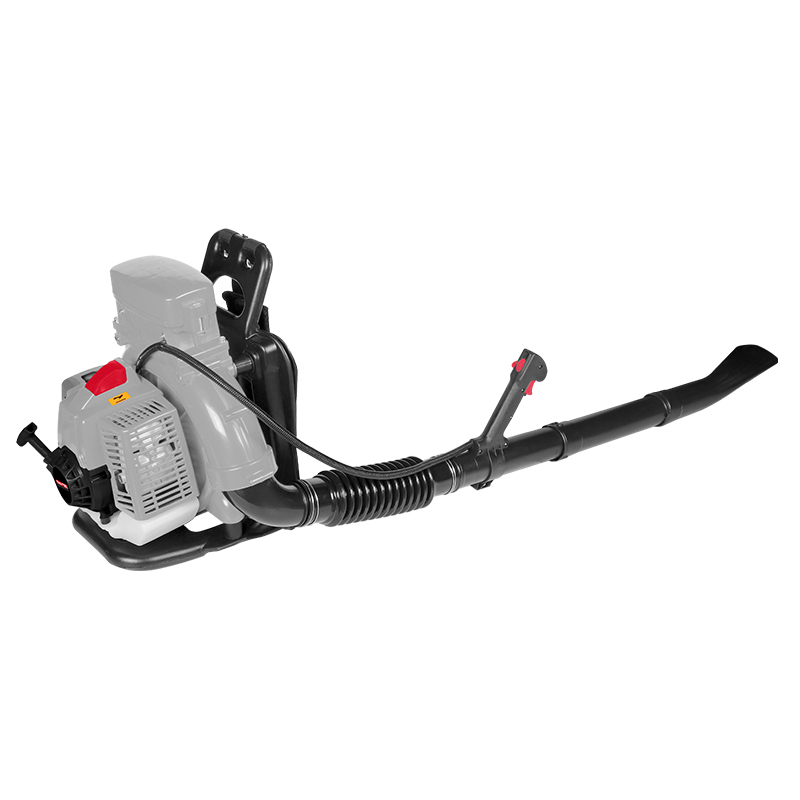 Blower
 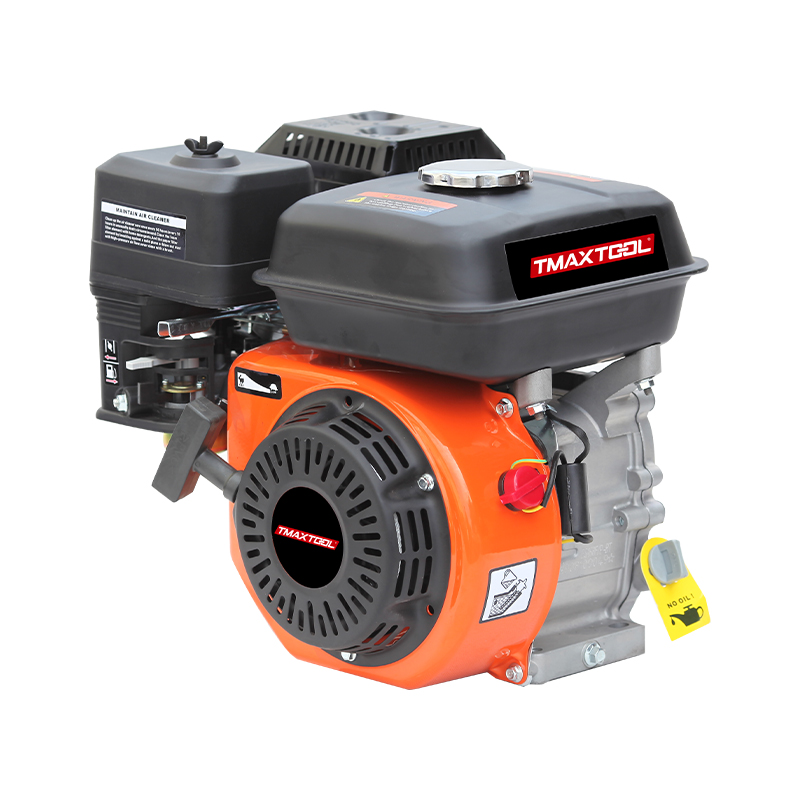 4 Stroke Gasoline Engine
 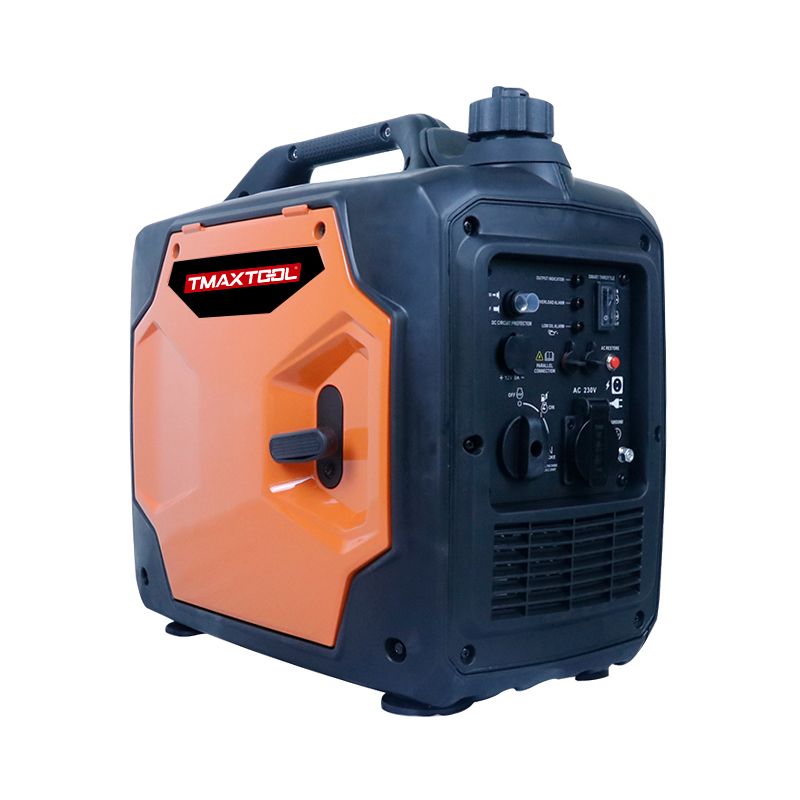 Generator
 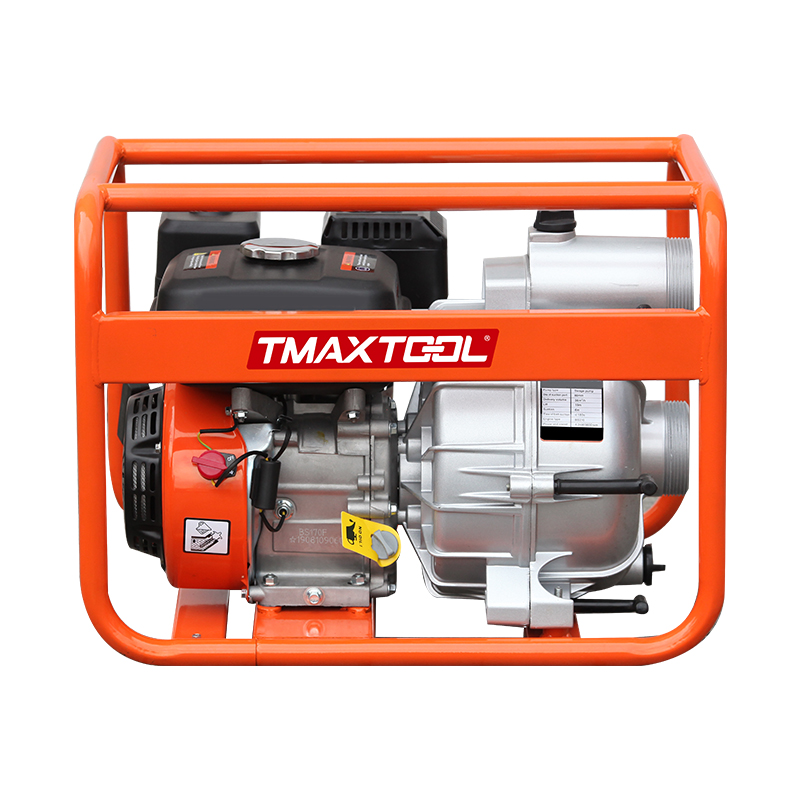 Water Pump
 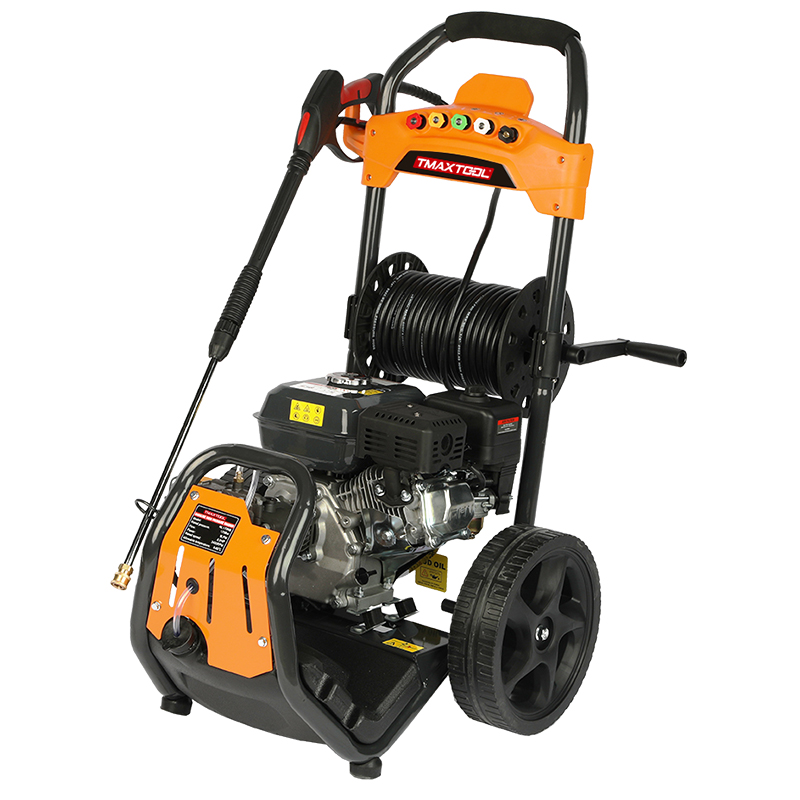 High Pressure Washer
 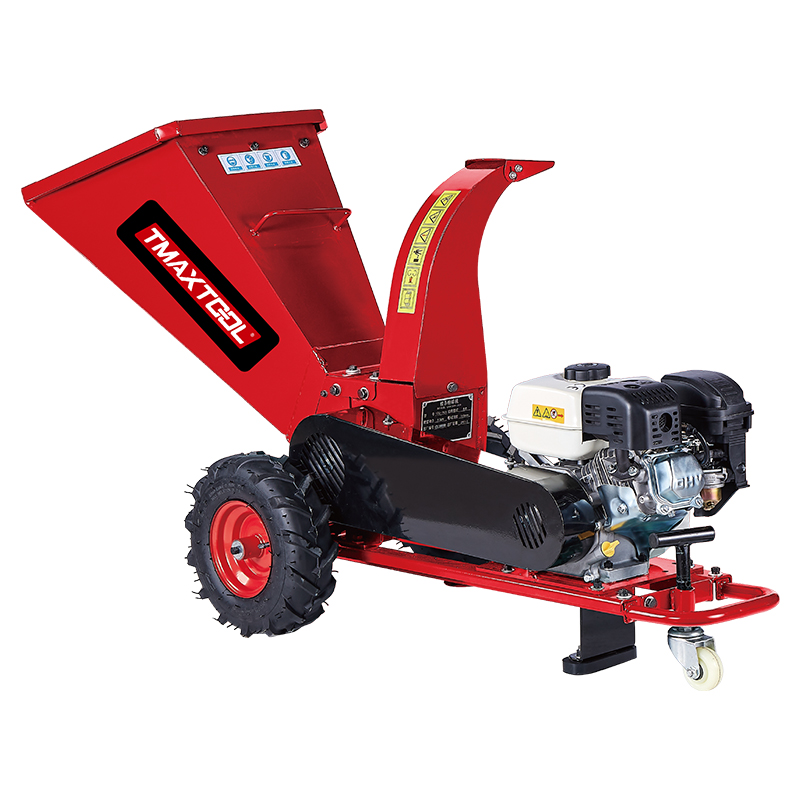 Wood Cutter
 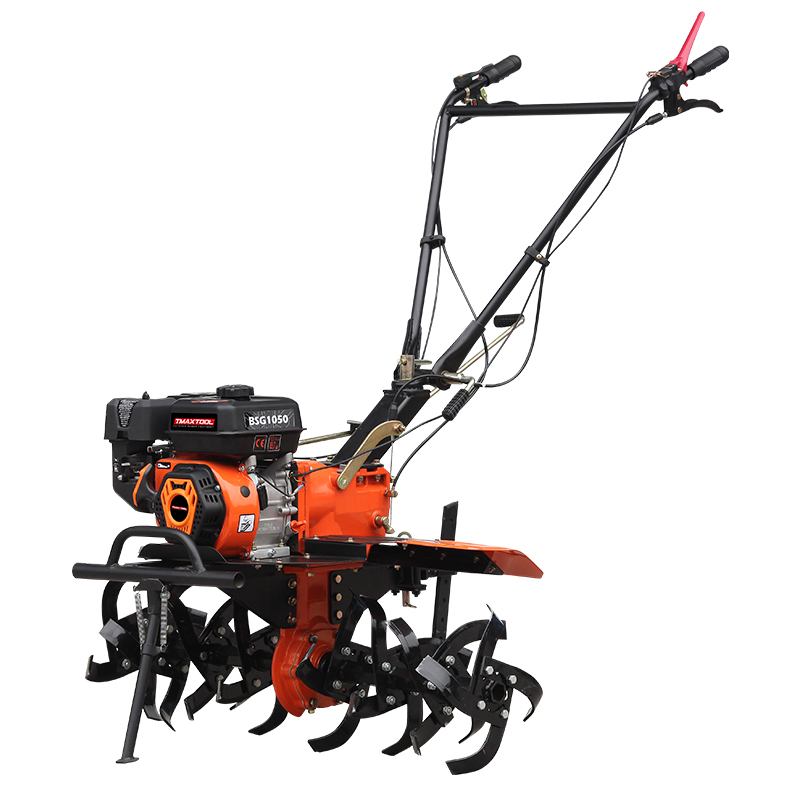 4 Stroke Tiller
 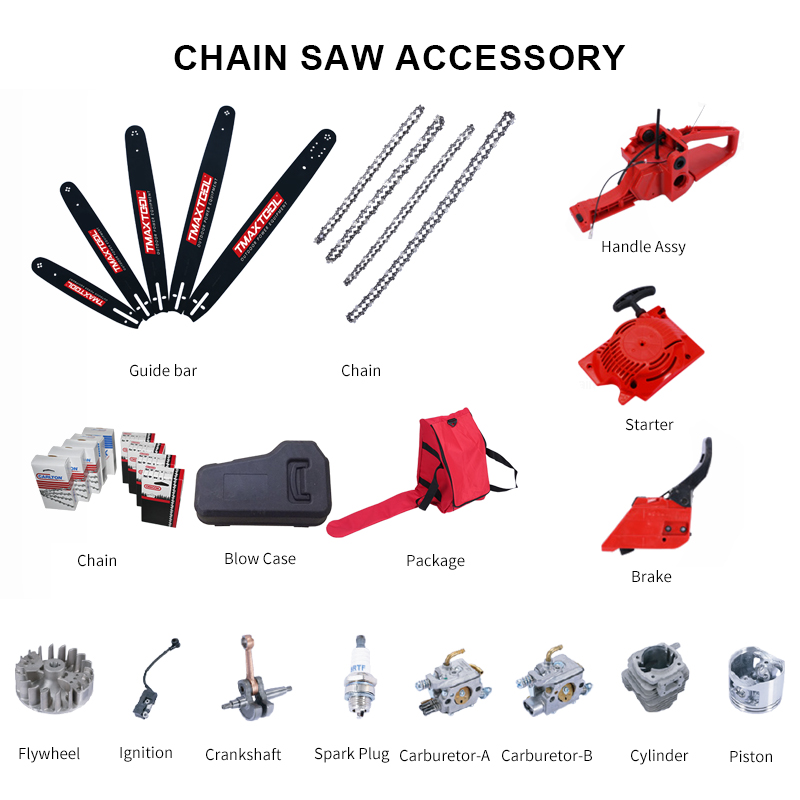 Chain Saw Accessory
 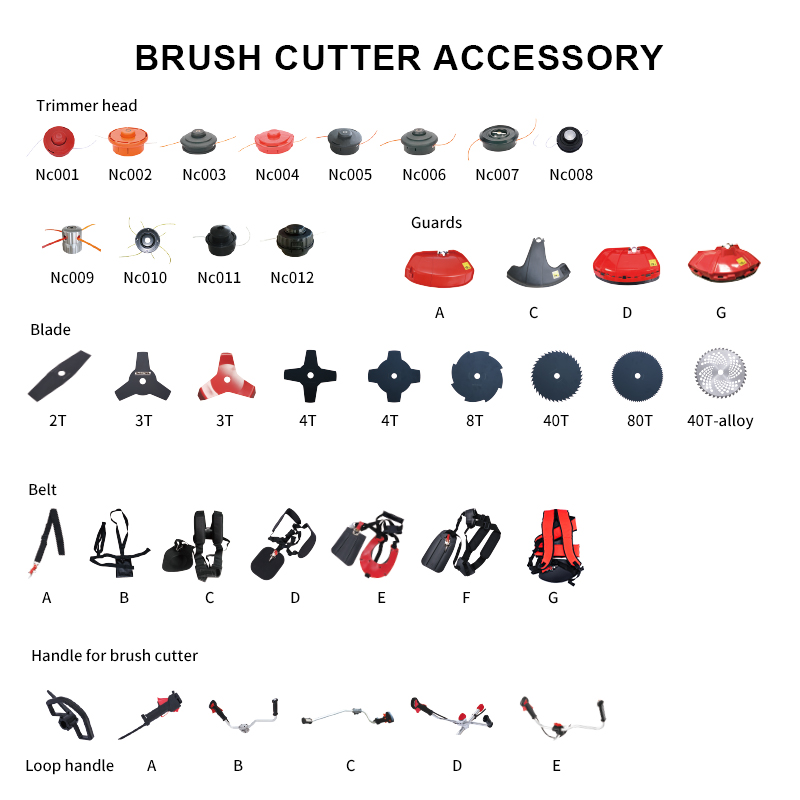 Brush Cutter Accessory
 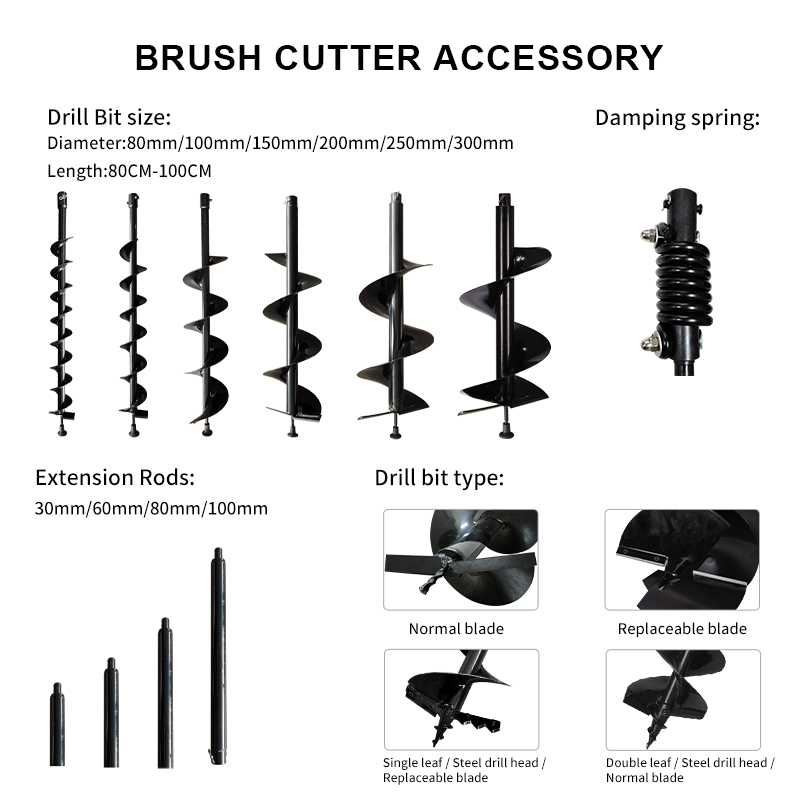 Earth Auger Accessory
 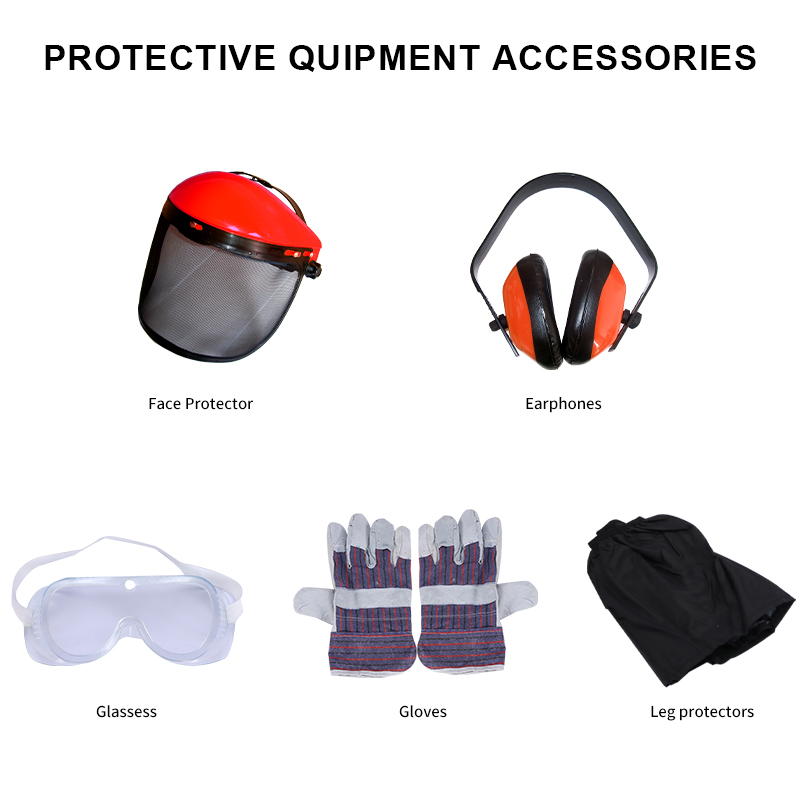 Protective Equipment Accessories
Leave Your Message


The difference between plate sander and track sander
Plate sander and track sander are mainly different in structure, use scenario and performance:
Structural differences:
Plate sander: This type of sander has a fixed flat sander panel, sandpaper is usually directly fixed on the bottom plate, through the motor to drive the sandpaper for linear or circular motion to polish the plane.
Track sander (also known as Rotozip or Orbital Sander) : The working head of this sander can be moved and is not completely dependent on a fixed base plate. It makes the sandpaper contact with the working surface by high-frequency swinging, thus achieving efficient grinding.
Usage scenario:
Flat sander: Due to its fixed work surface and efficient large area sanding capability, flat sander is ideal for furniture manufacturing, wood processing and where large area smoothing is required.
Track sander: Due to its flexible movement characteristics, it is suitable for use in situations where precise sanding or meticulous treatment of small areas is required, such as fine sanding of wooden doors or local repair of car bodies.
Performance characteristics:
Flat sander: provides a uniform sanding effect, especially when dealing with large areas. The price is also relatively affordable.
Track sander: provides fast and efficient sanding performance, especially when dealing with complex or narrow surfaces. Because of its high frequency swing, the work can be done faster, but the price may be higher.
In summary, the choice of sander depends on your specific work needs, budget and specific requirements for the grinding effect. For high-efficiency large-area surface grinding, flat sander is a better choice; For cases that require fine grinding or complex surface treatment, orbital sanders are more suitable.
