
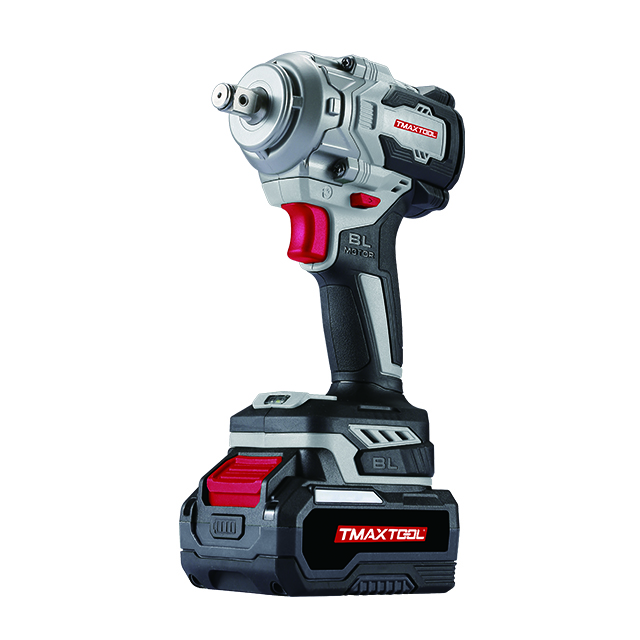
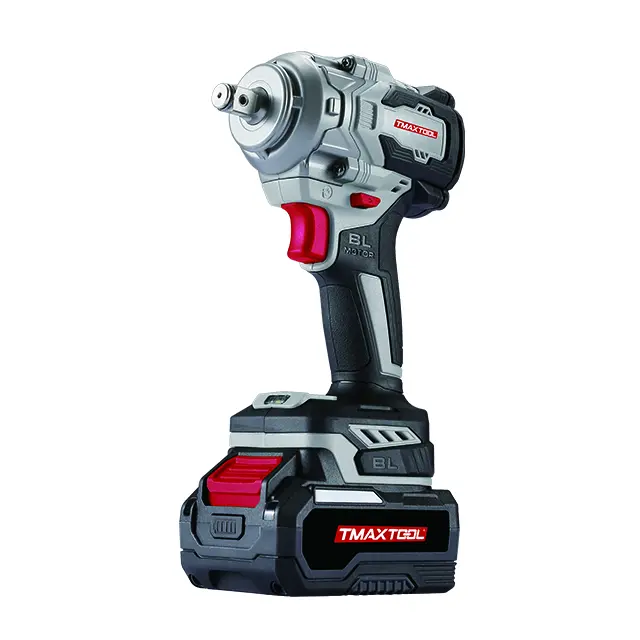
 Impact Wrench
 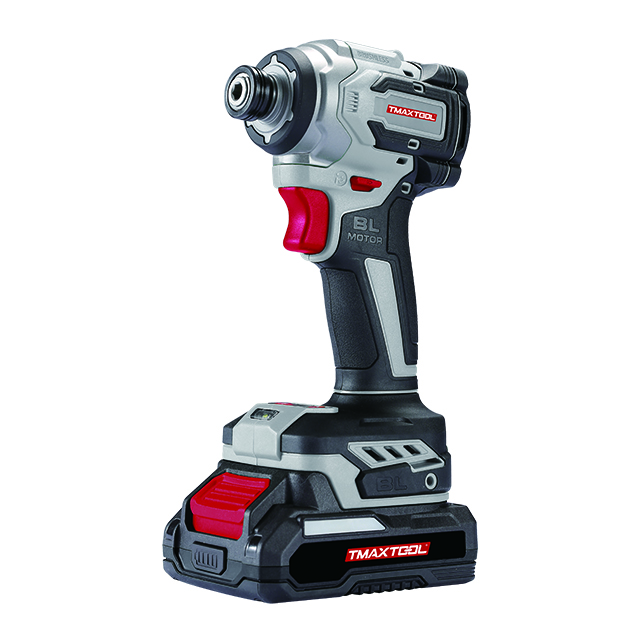 Screwdriver
 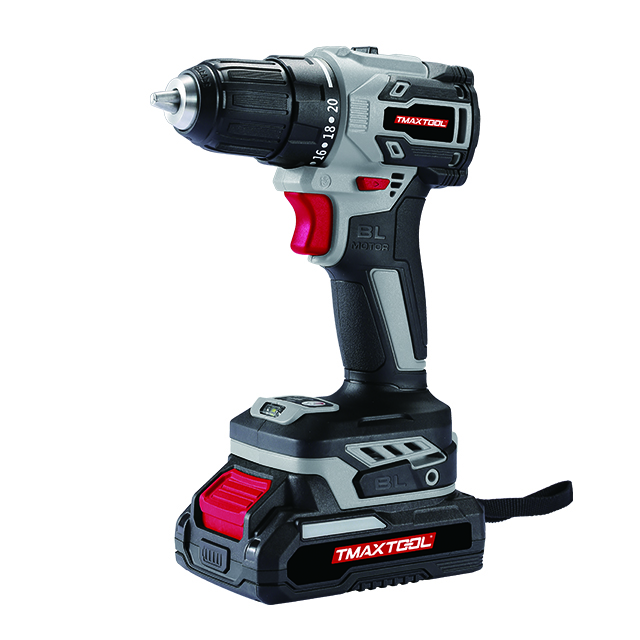 Cordless Drill
 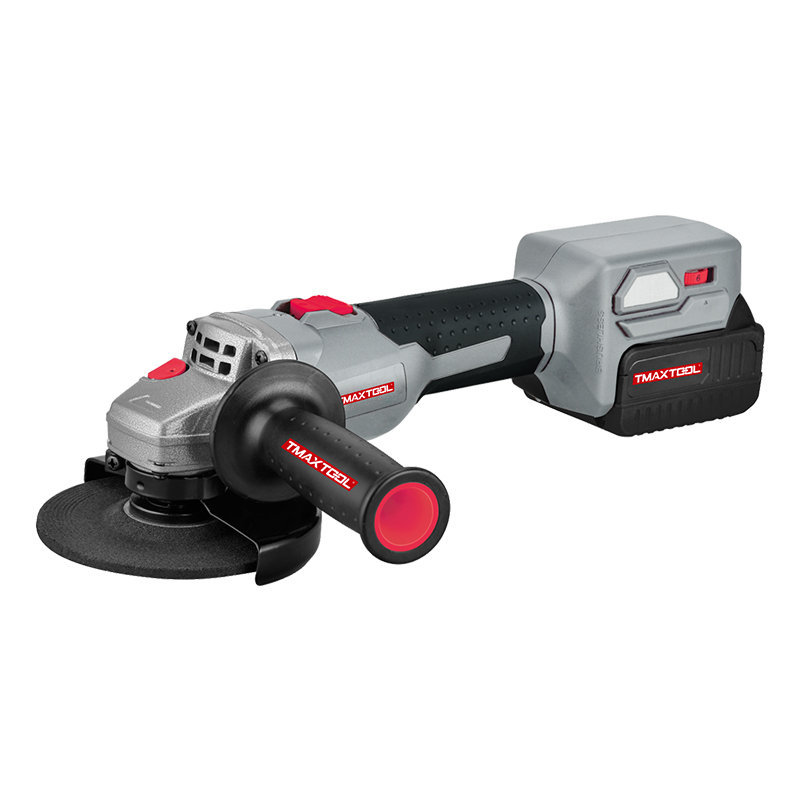 Angle Grinder
 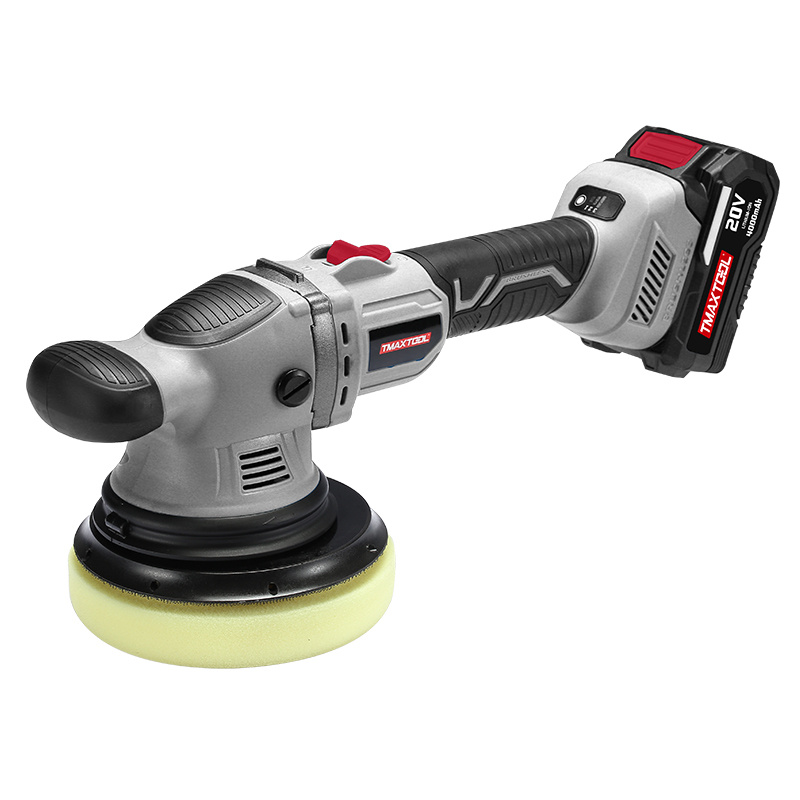 Polisher
 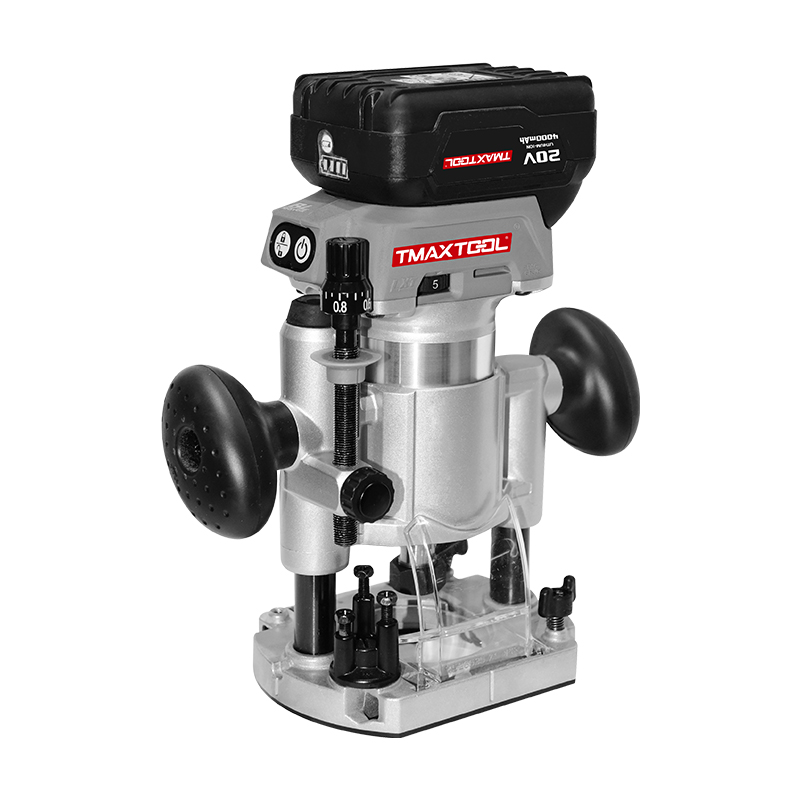 Wood Router
 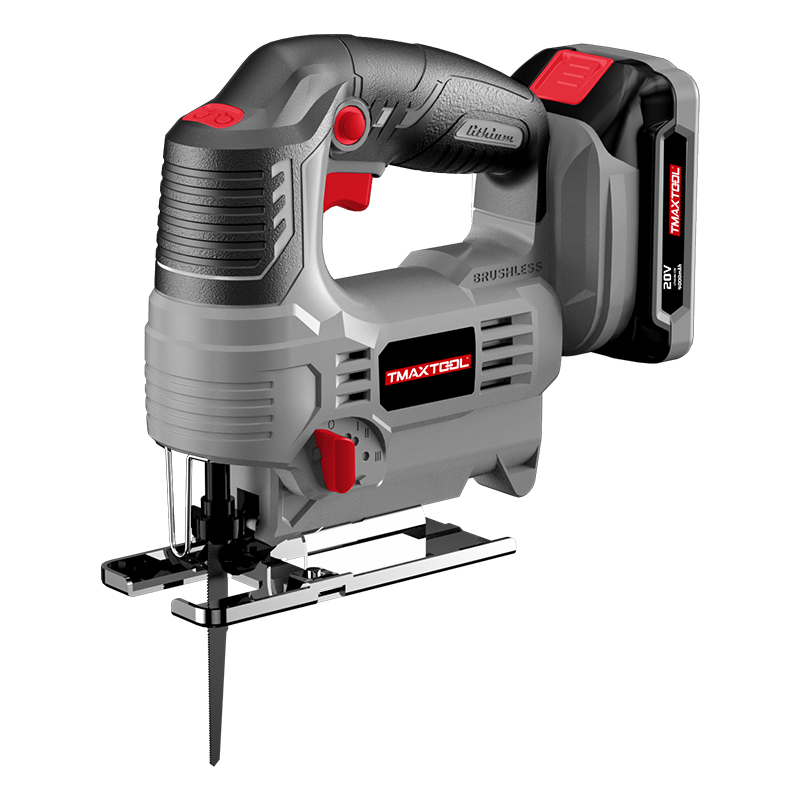 Jig Saw
 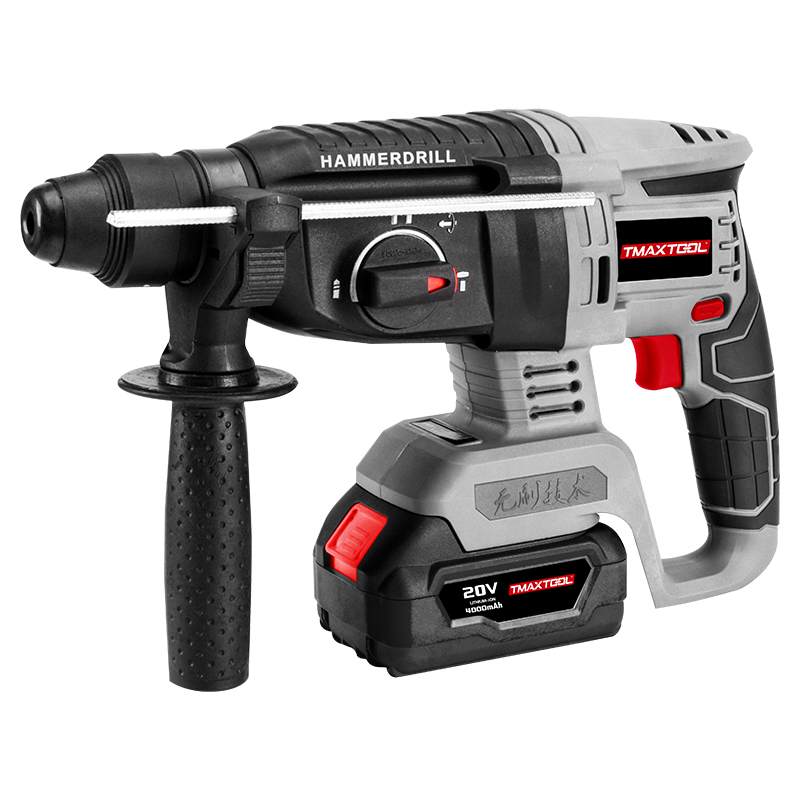 Hammer Drill
 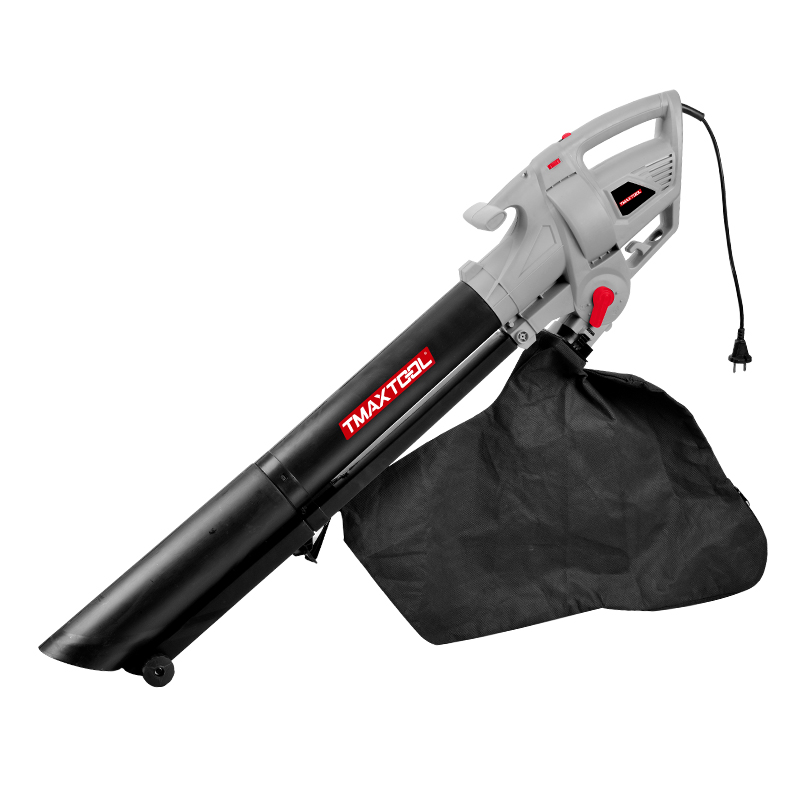 Portable Blower
 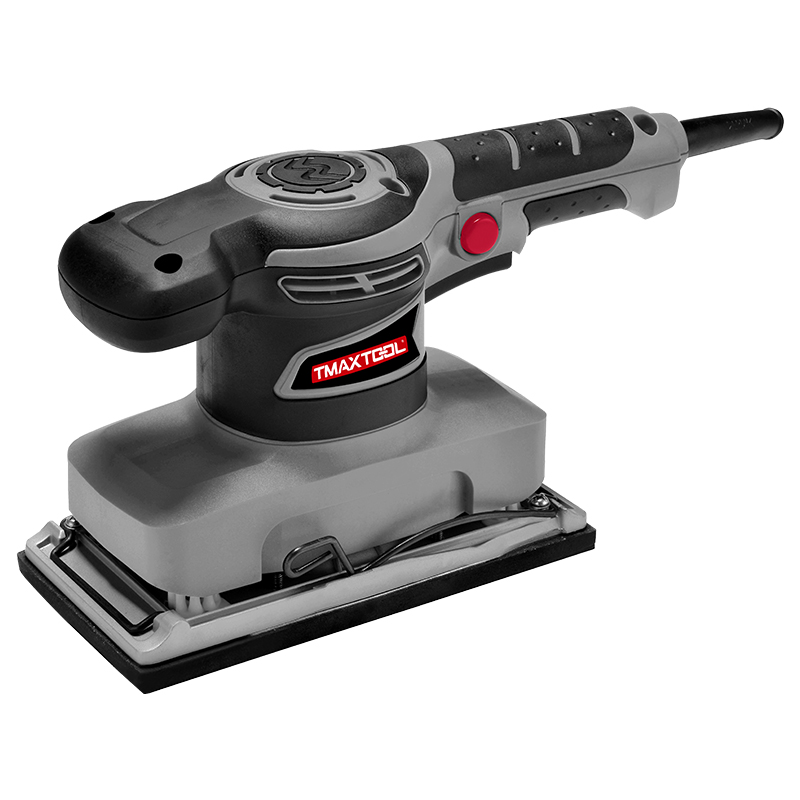 Orbital Sander
 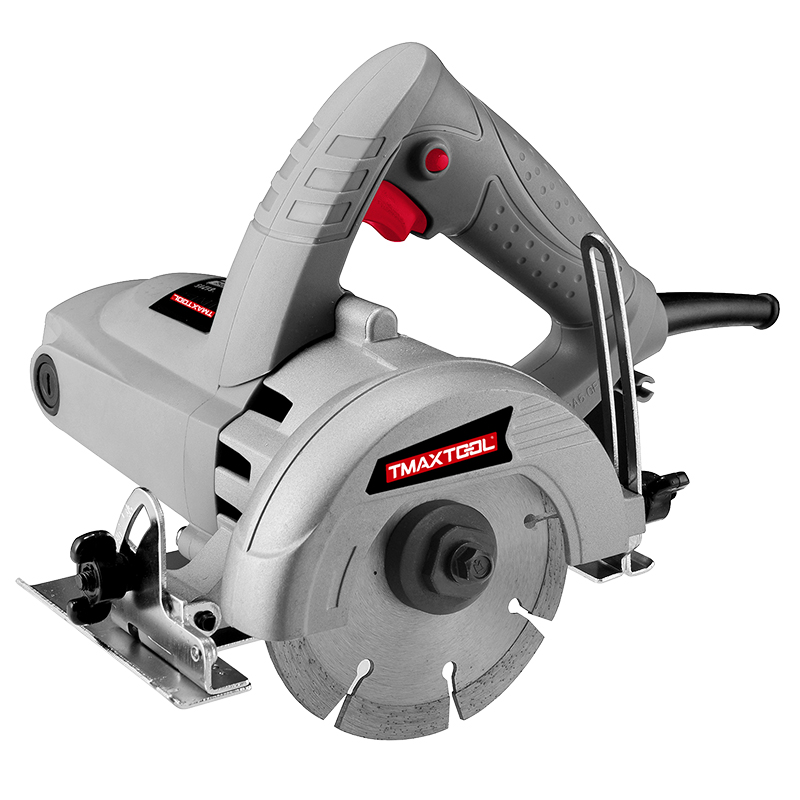 Marble Cutter
  GARDEN TOOLS
 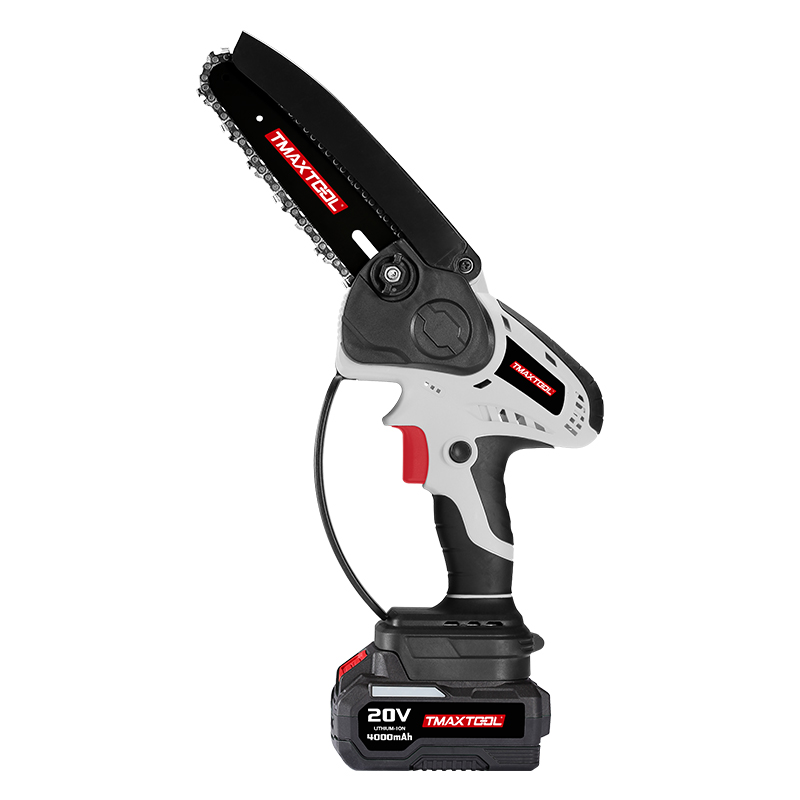 Battery Chain Saw
 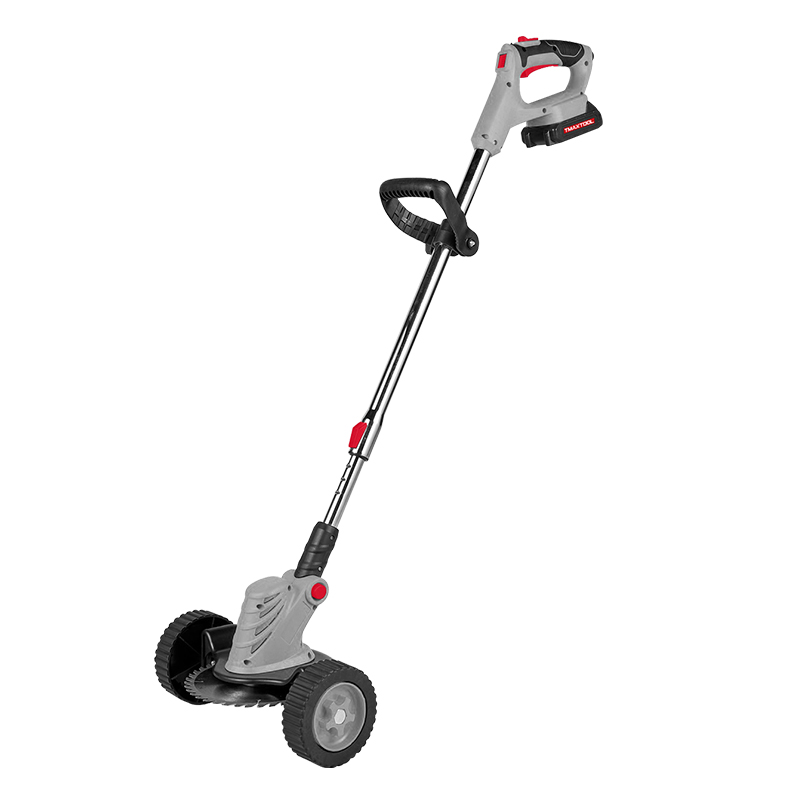 Battery Brush Cutter
 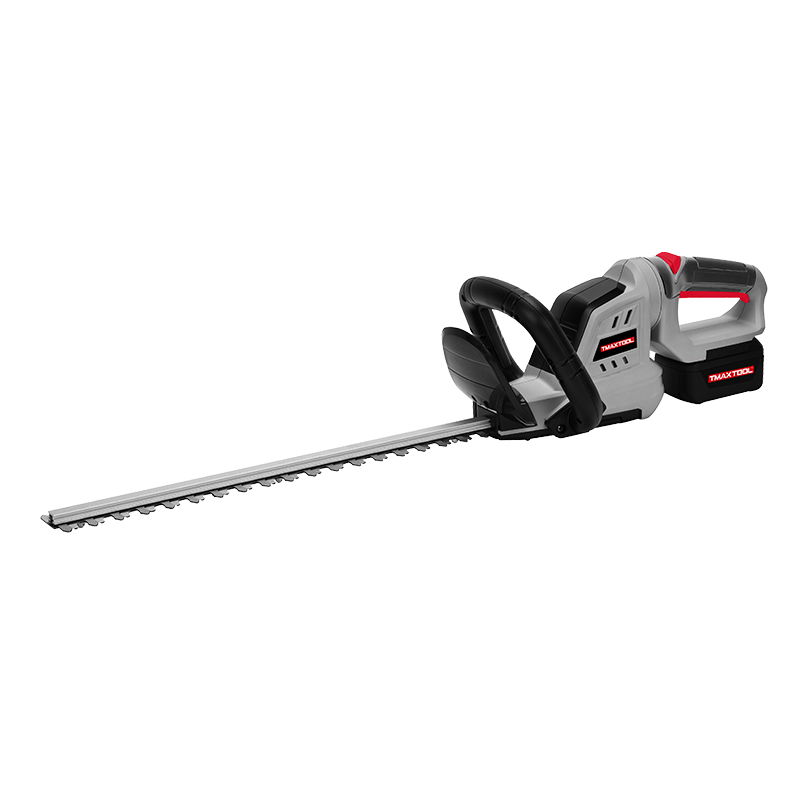 Battery Hedge Trimmer
 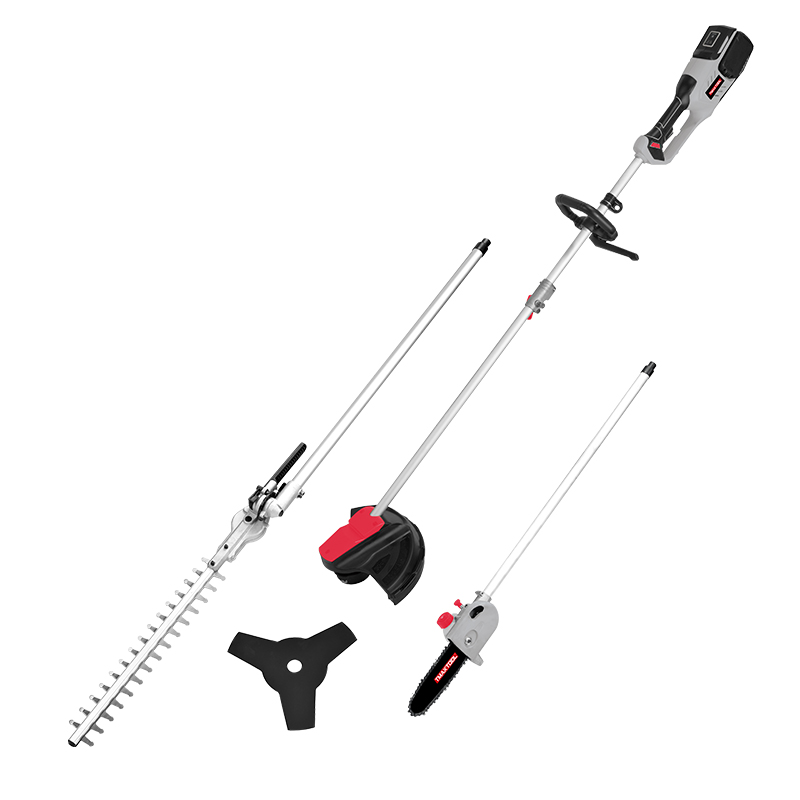 Battery Multi Tool
 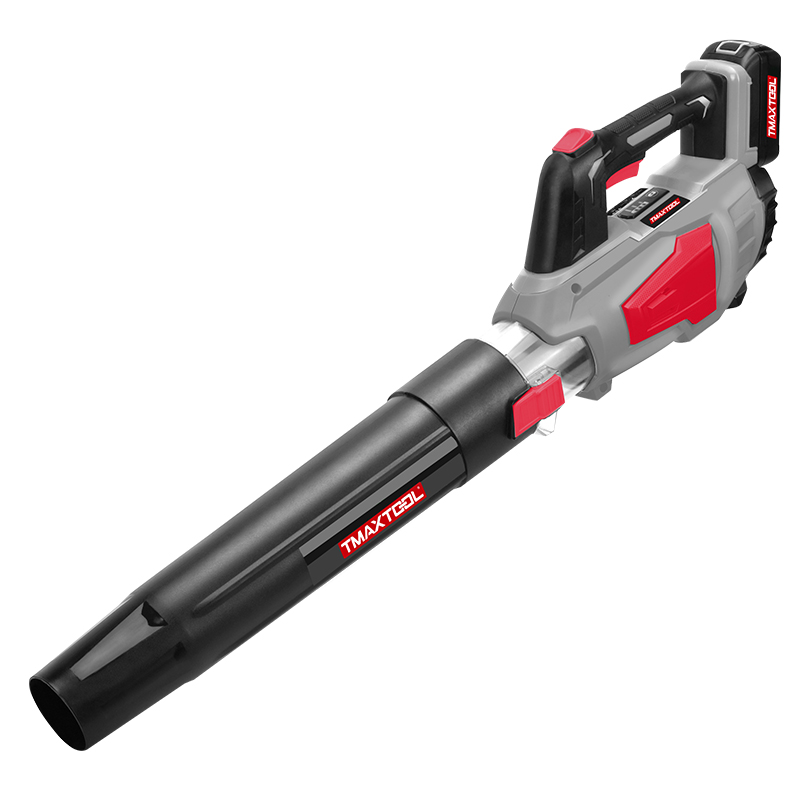 Battery Blower
 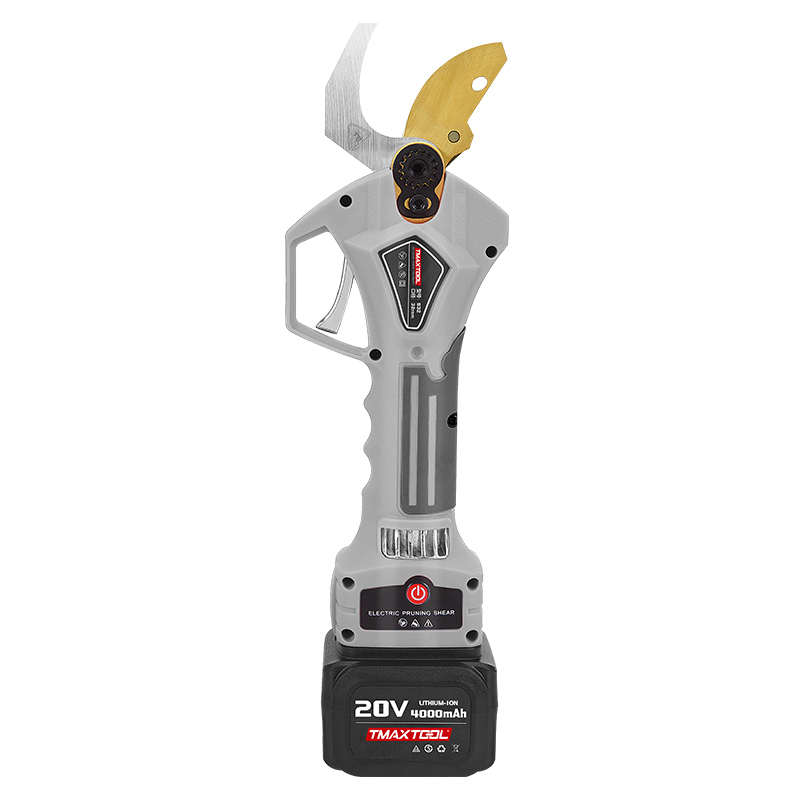 Batter Pruning Shears
 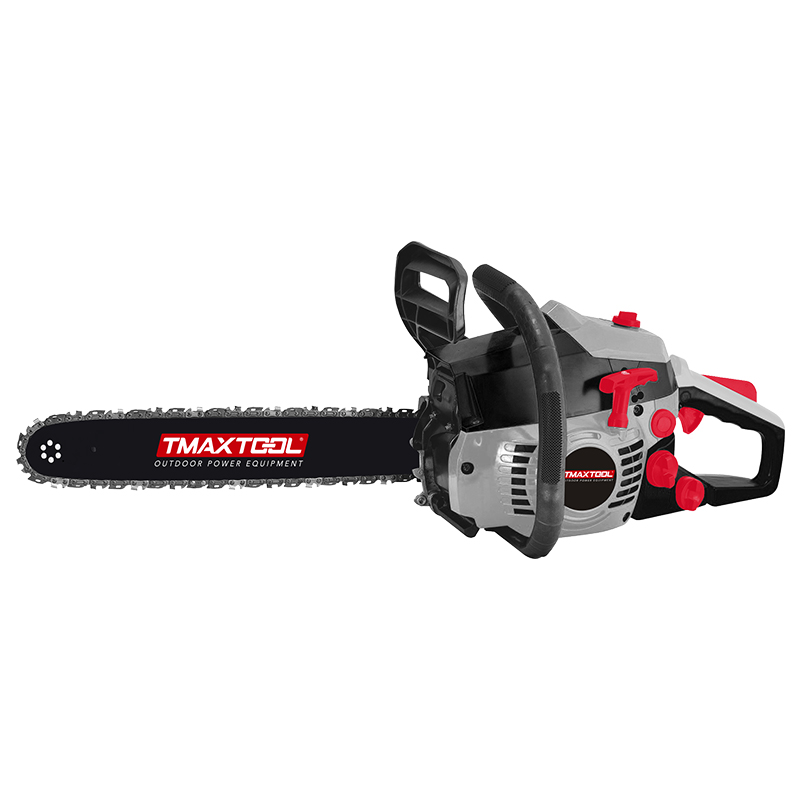 Chain Saw
 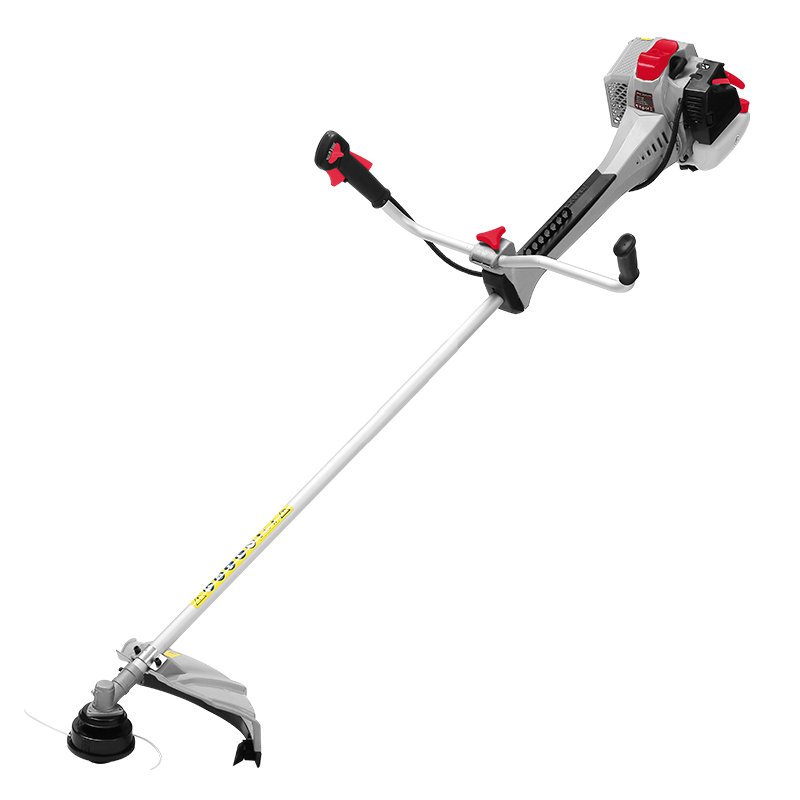 Brush Cutter
 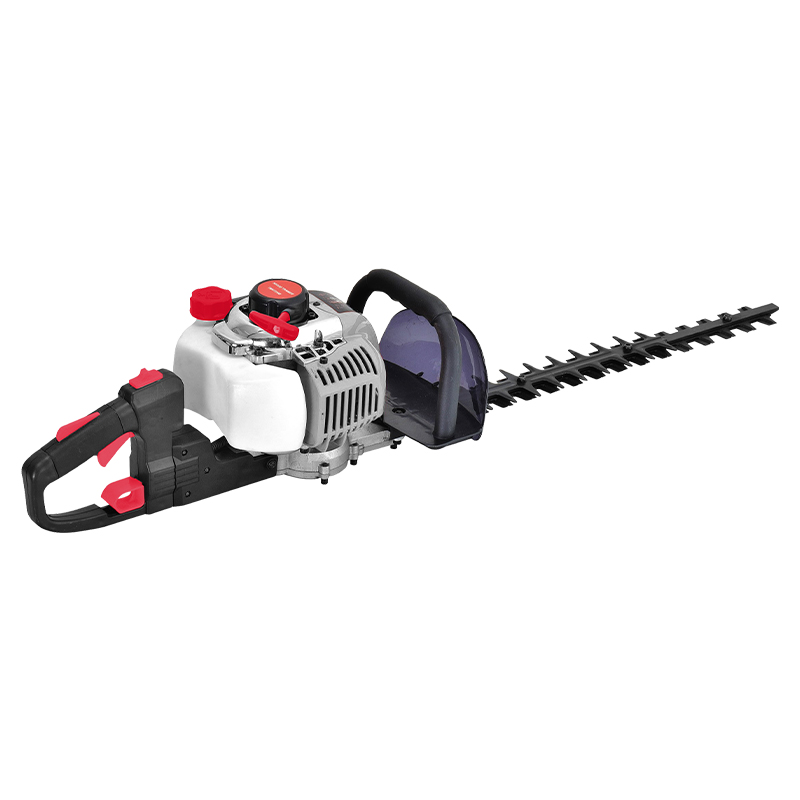 Hedge Trimmer
 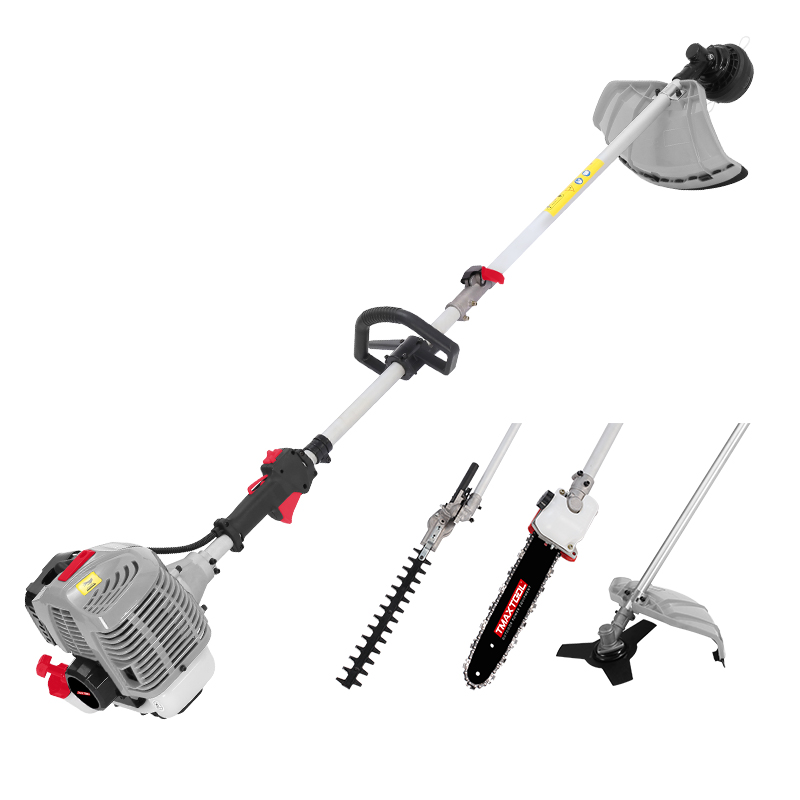 Multi Tool
 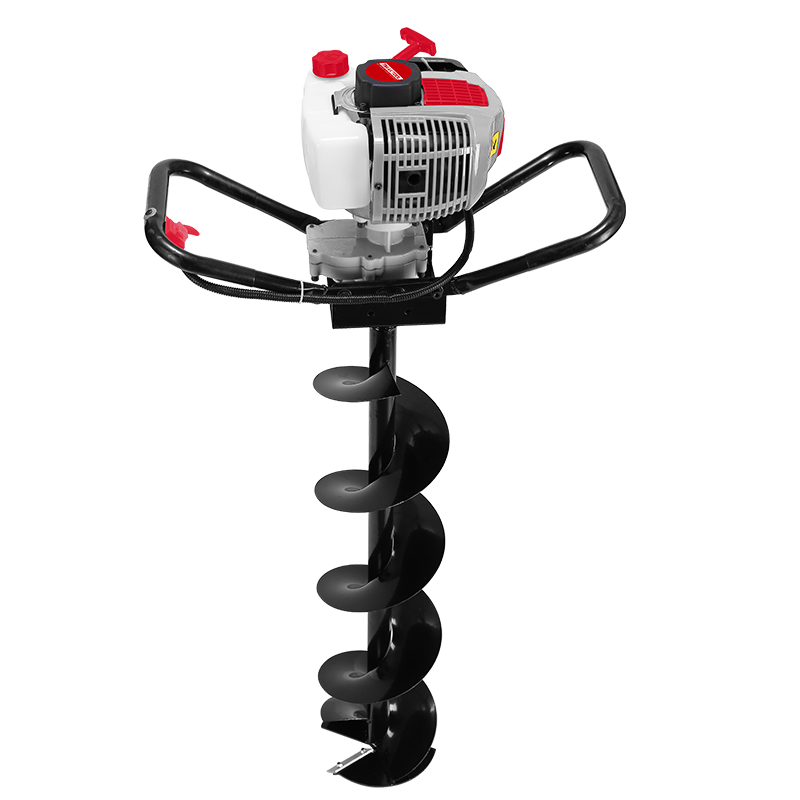 Earth Auger
 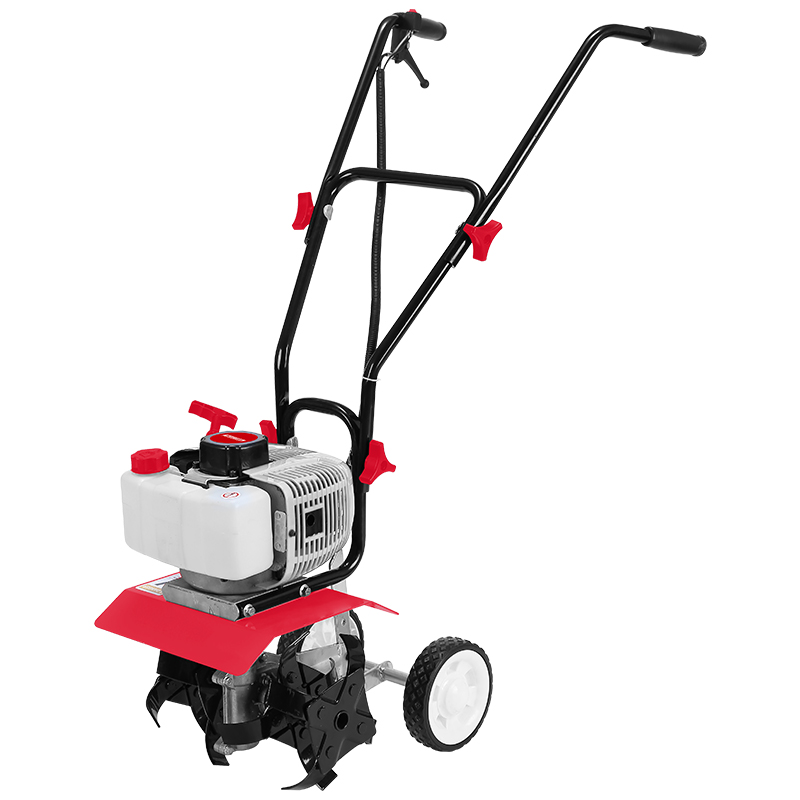 Tiller
 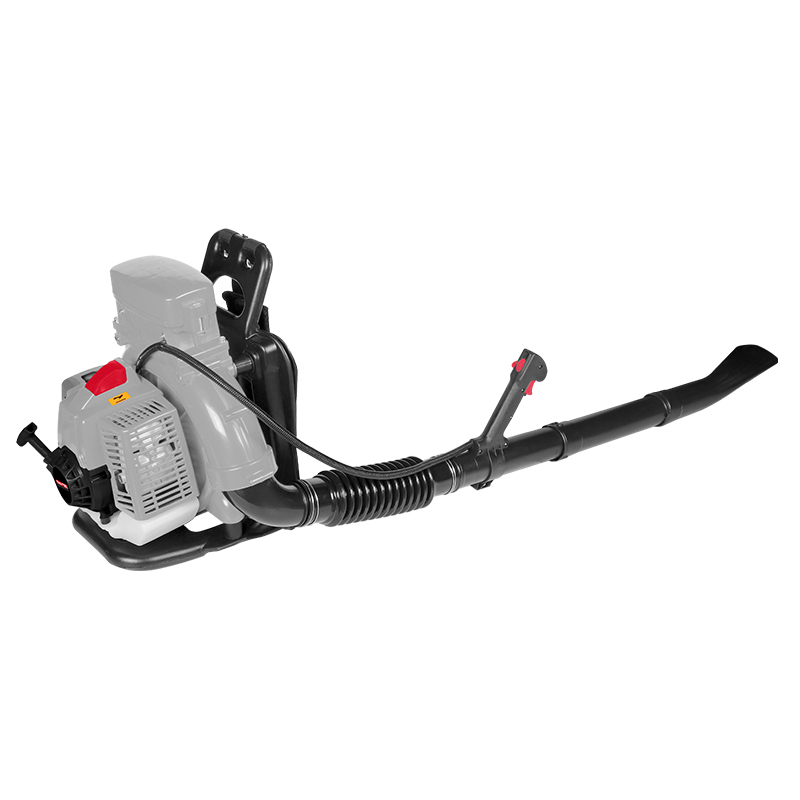 Blower
 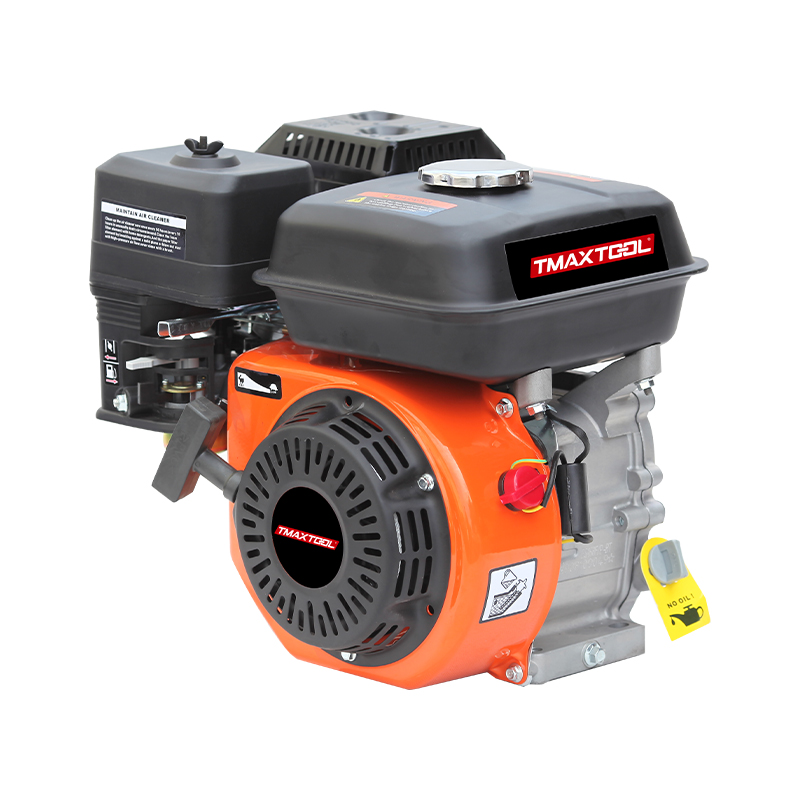 4 Stroke Gasoline Engine
 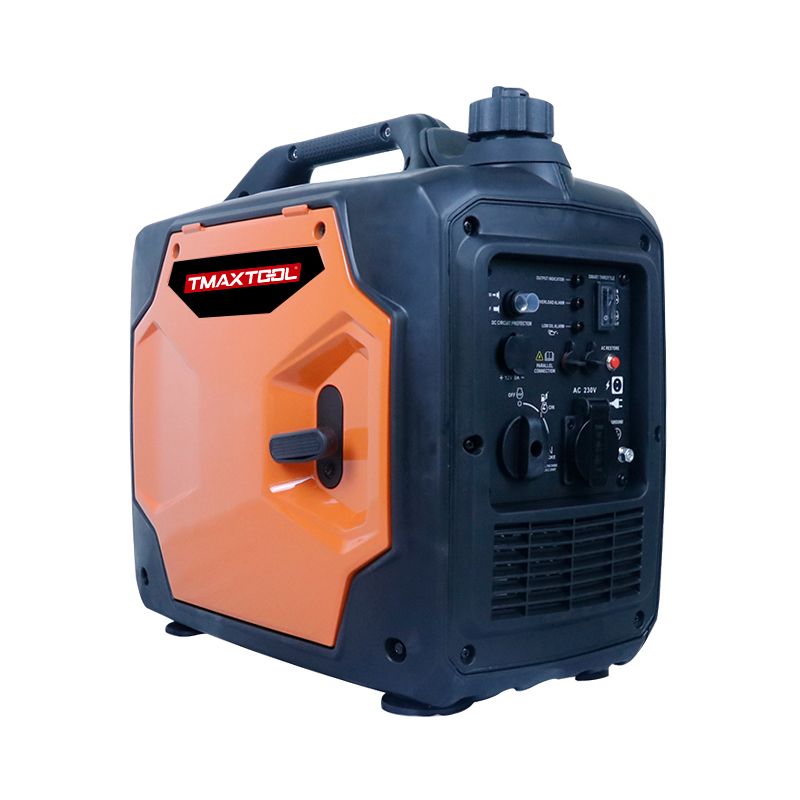 Generator
 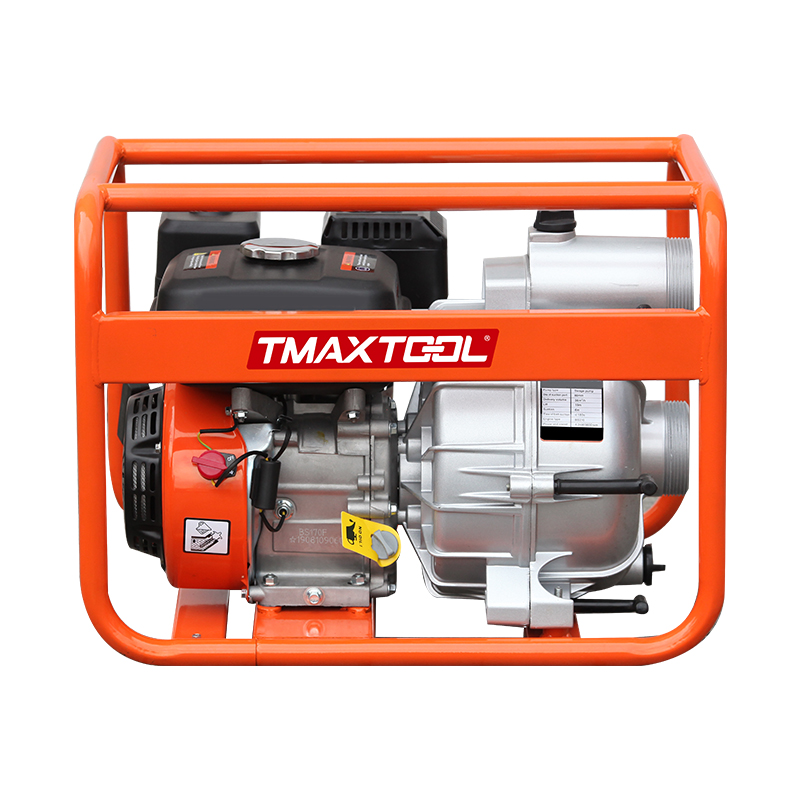 Water Pump
 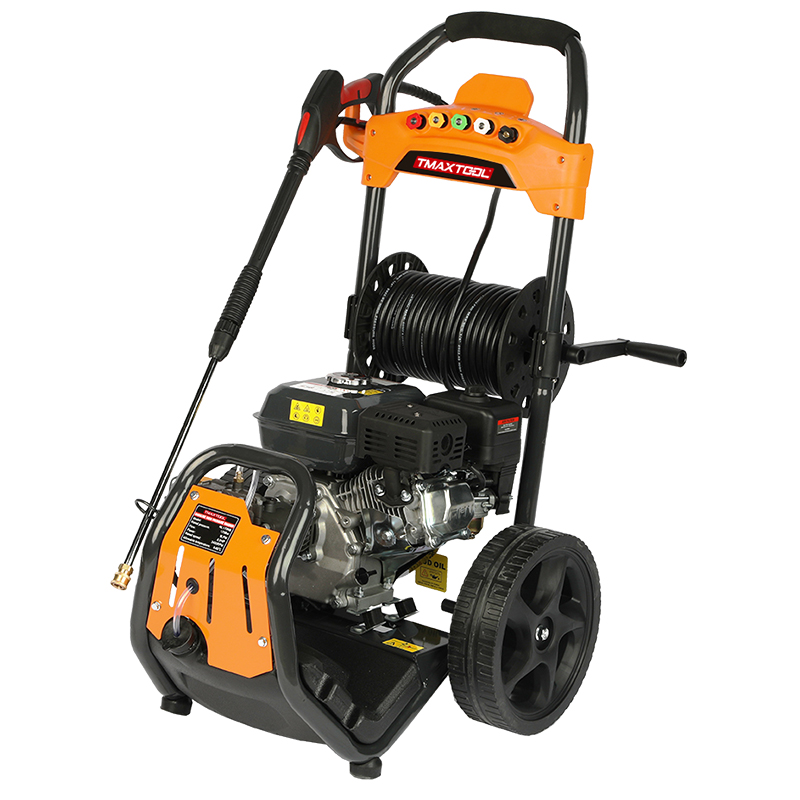 High Pressure Washer
 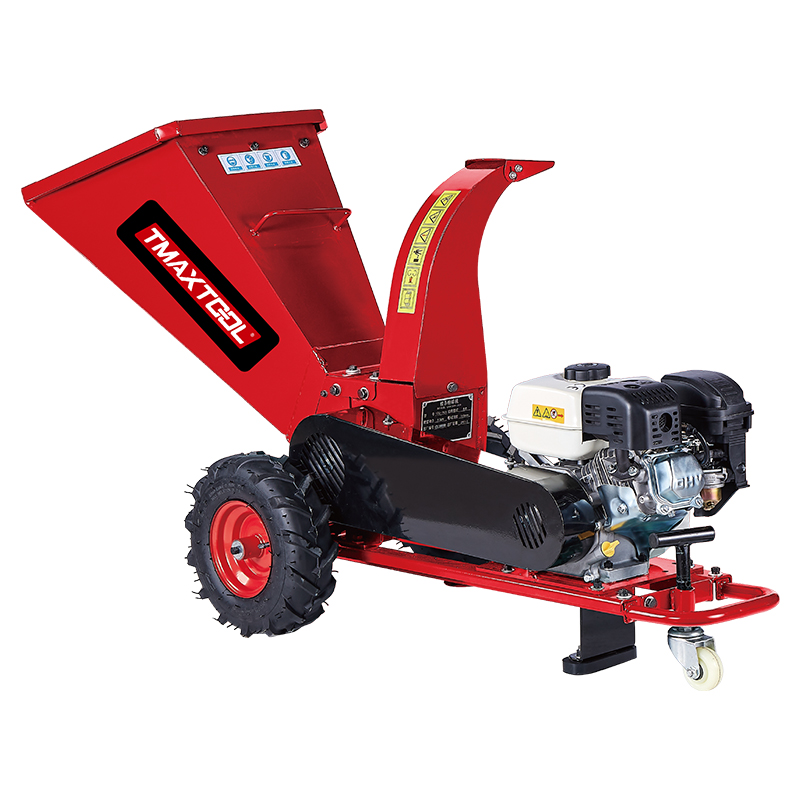 Wood Cutter
 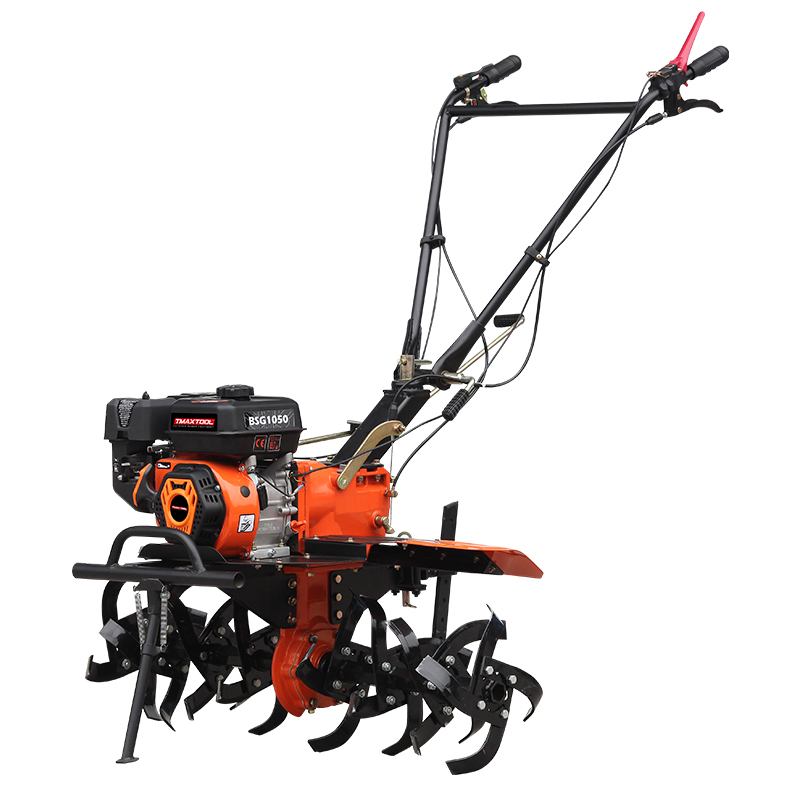 4 Stroke Tiller
  Chain Saw Accessory
  Brush Cutter Accessory
  Earth Auger Accessory
  Protective Equipment Accessories
Leave Your Message


What are the skills of pump power selection?
Choosing the right pump power is the key to ensuring the efficient operation of the equipment and meeting the needs of use. Here are some tips and suggestions for choosing pump power:
1. Clear usage requirements
Before choosing the pump power, we must first clarify the specific use and demand of the pump:
Flow requirements: Determine the amount of water that needs to be transported per hour or minute.
Lift requirements: Measure the height of the water the pump needs to lift, including vertical distance and pipe losses.
Use environment: Consider the use scenario of the pump, such as household water, farmland irrigation or industrial production.
2. Calculate the required power
Based on the flow and head, the following formula can be used to calculate the shaft power of the pump:P=ρ⋅Q⋅H⋅g/η
Among them:
P is the shaft power (unit: kilowatt, kW).
ρ is the density of water (about 1000 kg/m³).
Q is the flow rate (unit: cubic meters per hour, m³/h).
H is the lift (unit: m, m).
g is the acceleration of gravity (9.81 m/s²).
η is the pump efficiency (usually between 0.3 and 0.8).

3. Consider safety
In order to cope with aging, clogging or other unexpected situations of the pump, it is recommended to add 10% to 20% of the calculated power as a backup factor.
4. Select the right motor power
In general, the selected motor power should be slightly higher than the calculated shaft power. For example, if the calculated shaft power is 15 kW, an 18.5 kW motor can be selected.
5. See common power ranges
According to the use scenario, the following are some common pump power ranges:
Household booster pump: 0.5-2.2kW.
Field irrigation pump: 3-5 kW.
Industrial pumps: several kilowatts to tens of kilowatts.
Deep well pump: 3-15 kW.

6. Consider other factors
Pipe resistance: If the pipe is longer or there are more bends, additional head needs to be added.
Pump efficiency: Choosing a high-efficiency pump can save energy.
Maintenance costs: Choose pumps that are well-known brands and easy to maintain.
Through the above steps and tips, you can more accurately select the pump power that is suitable for your needs, ensure that the equipment runs efficiently and meets the requirements of use.