
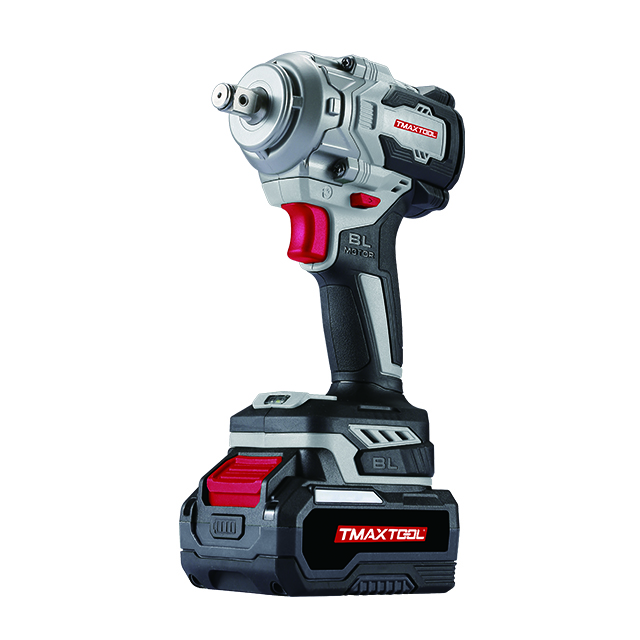
 Impact Wrench
 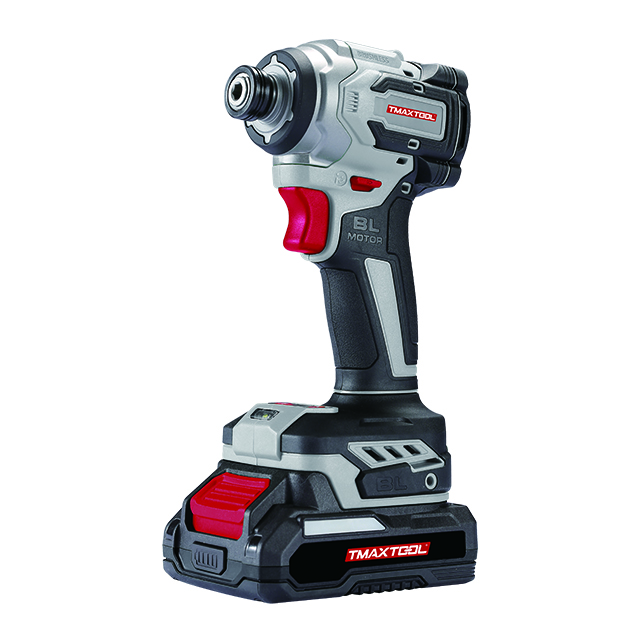 Screwdriver
 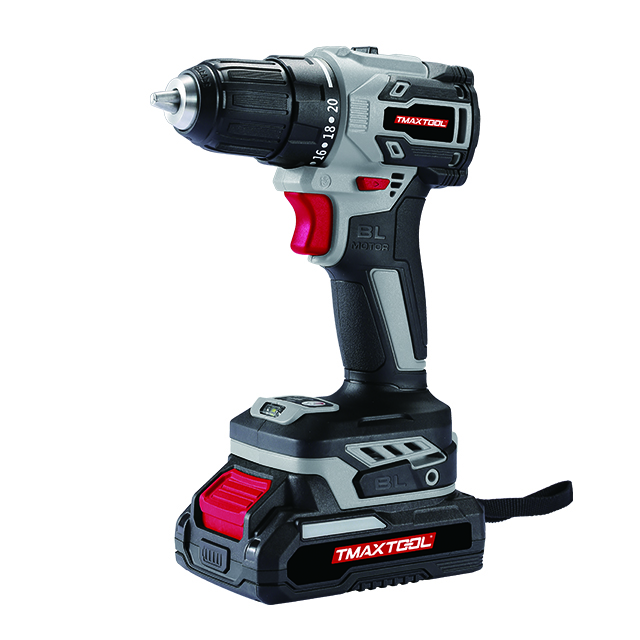 Cordless Drill
 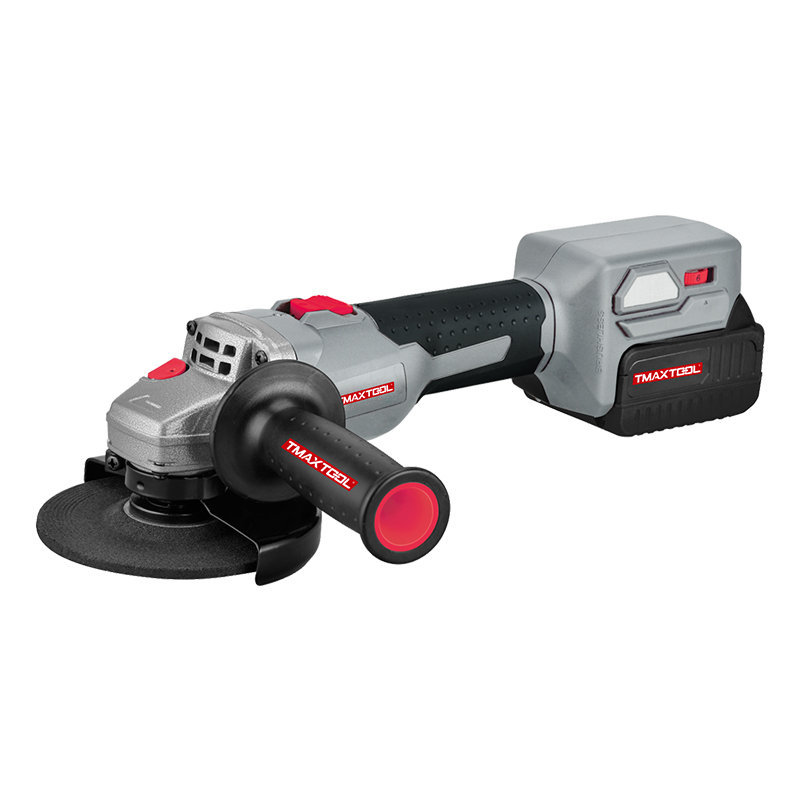 Angle Grinder
 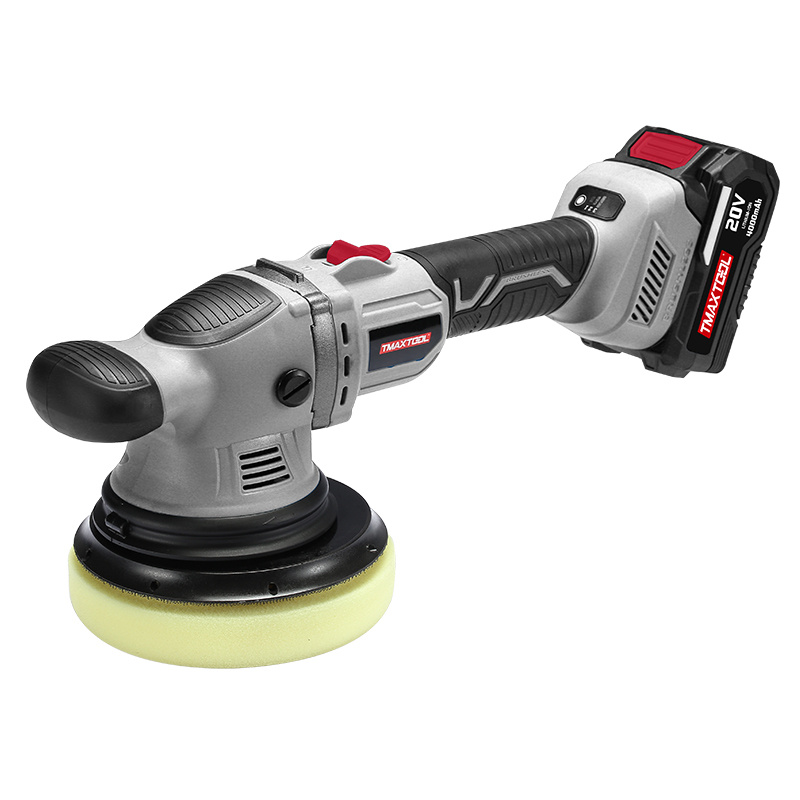 Polisher
 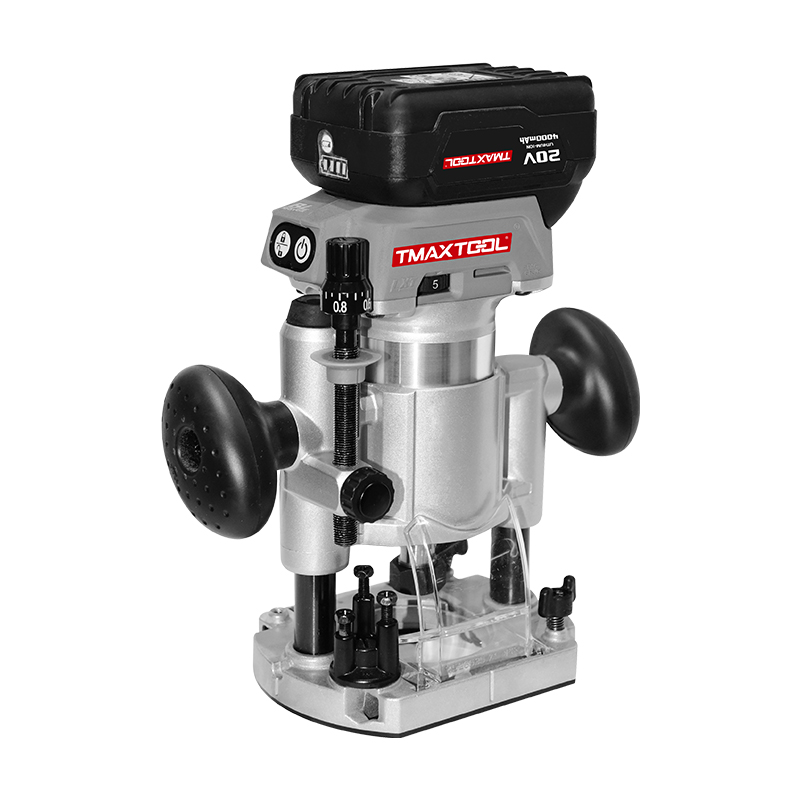 Wood Router
 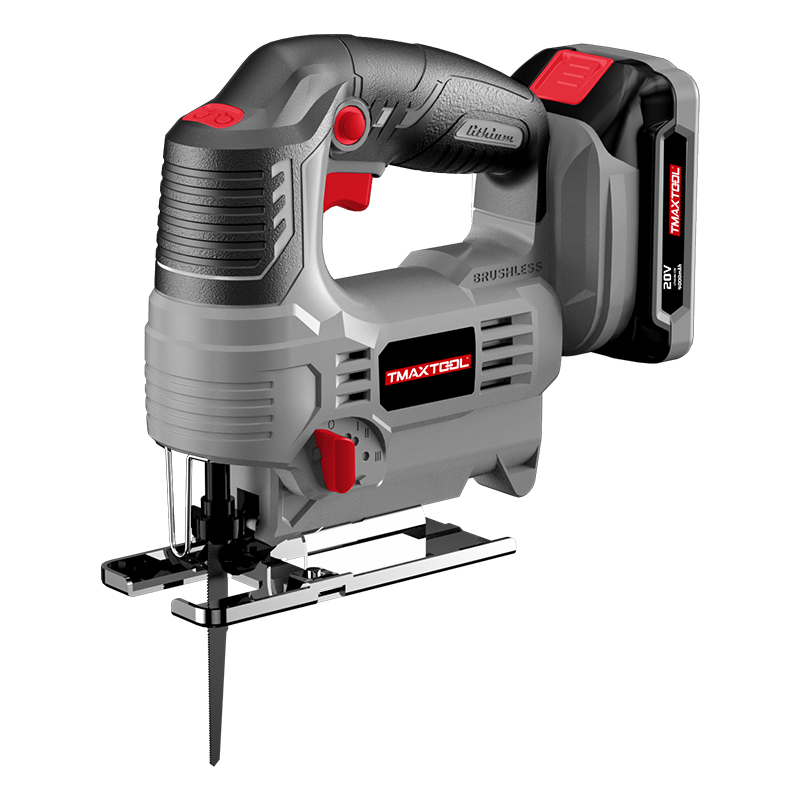 Jig Saw
 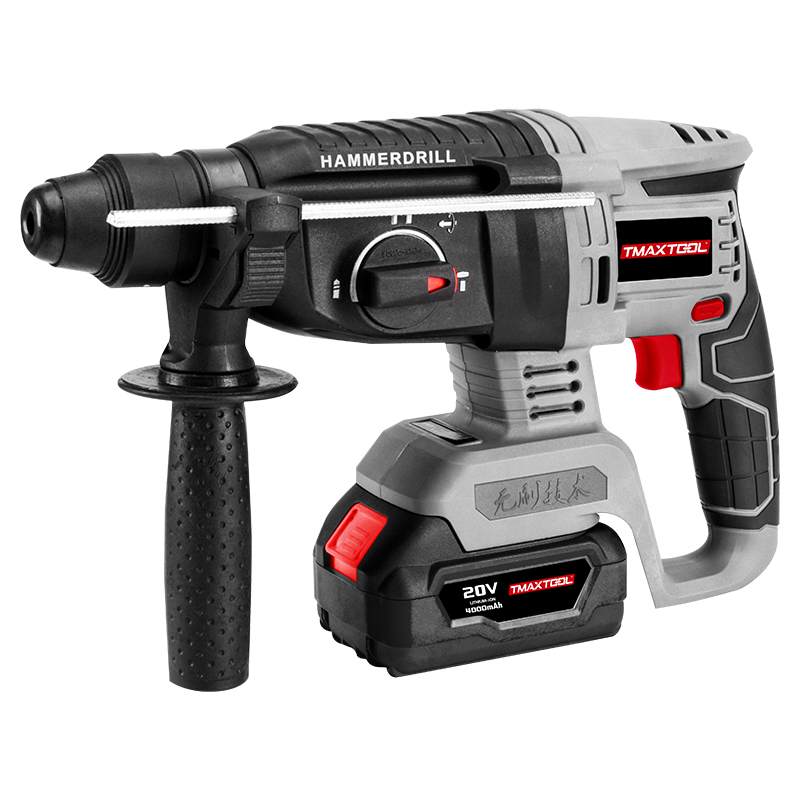 Hammer Drill
 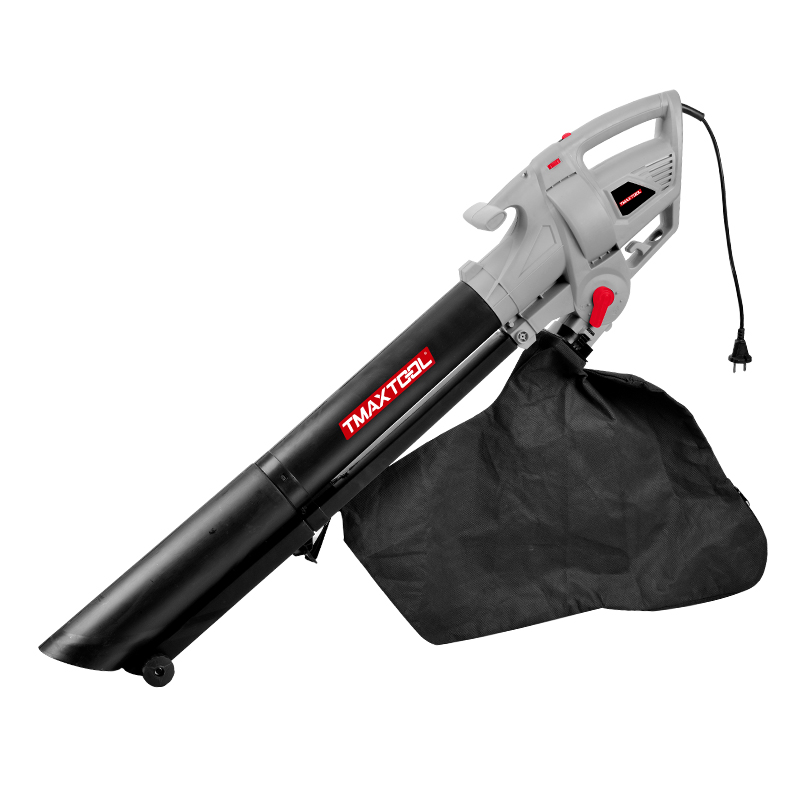 Portable Blower
 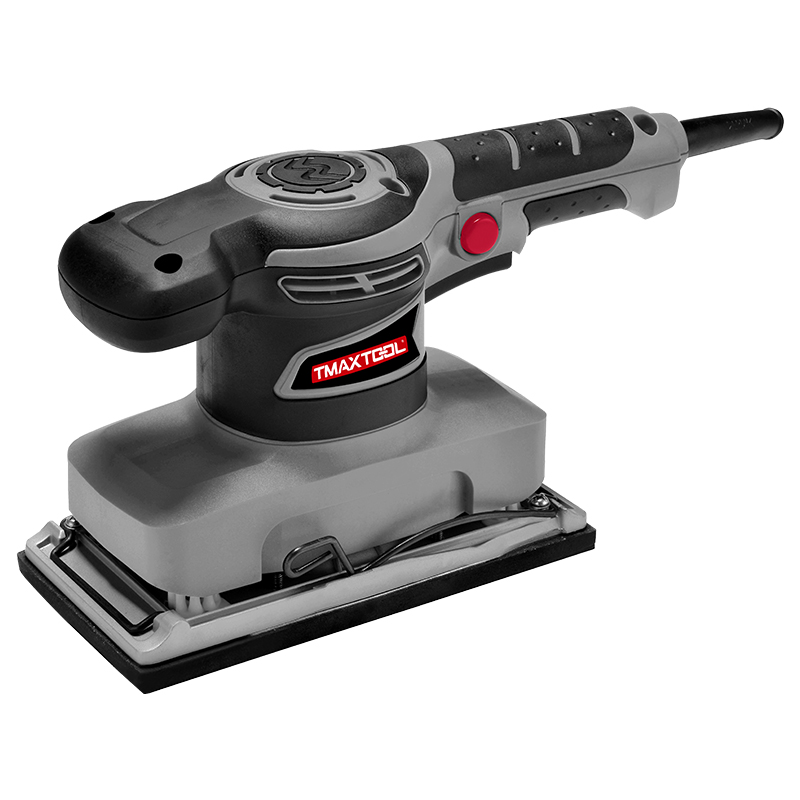 Orbital Sander
 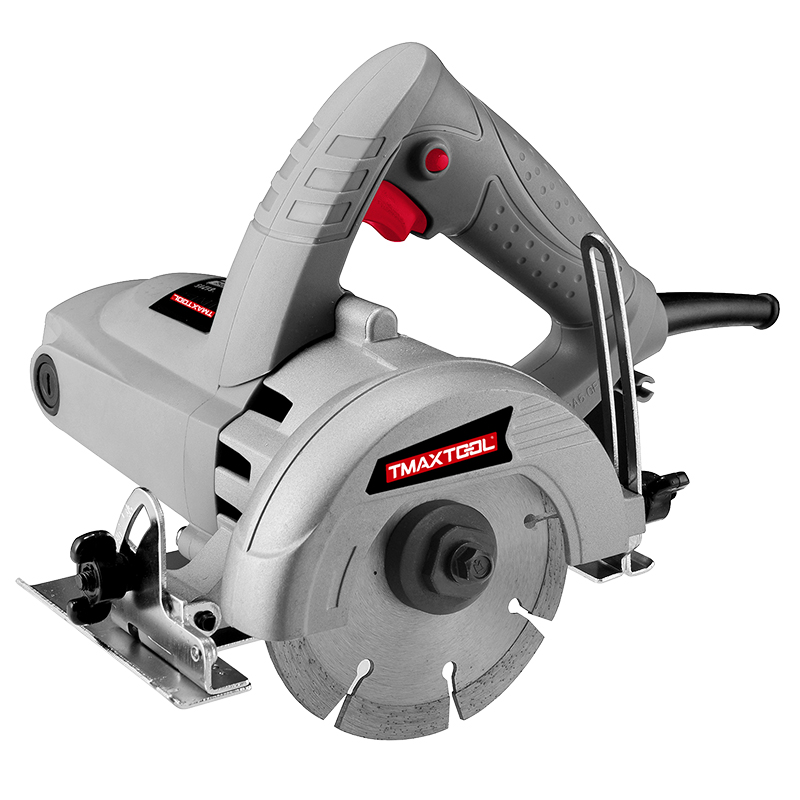 Marble Cutter
 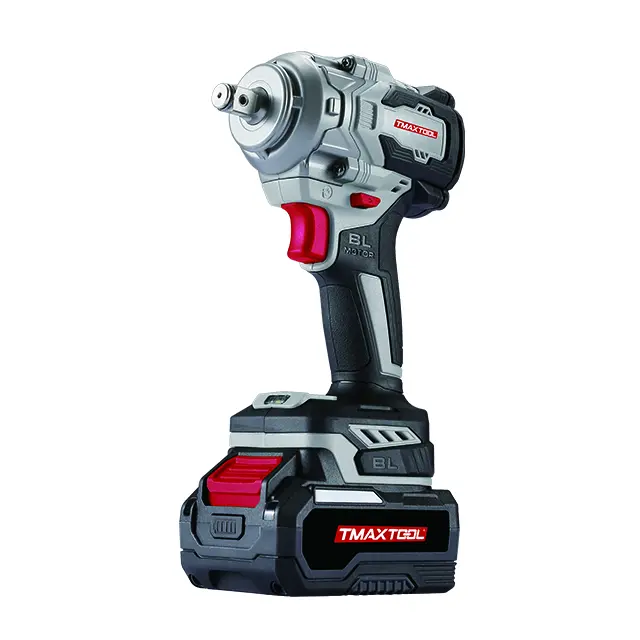 GARDEN TOOLS
 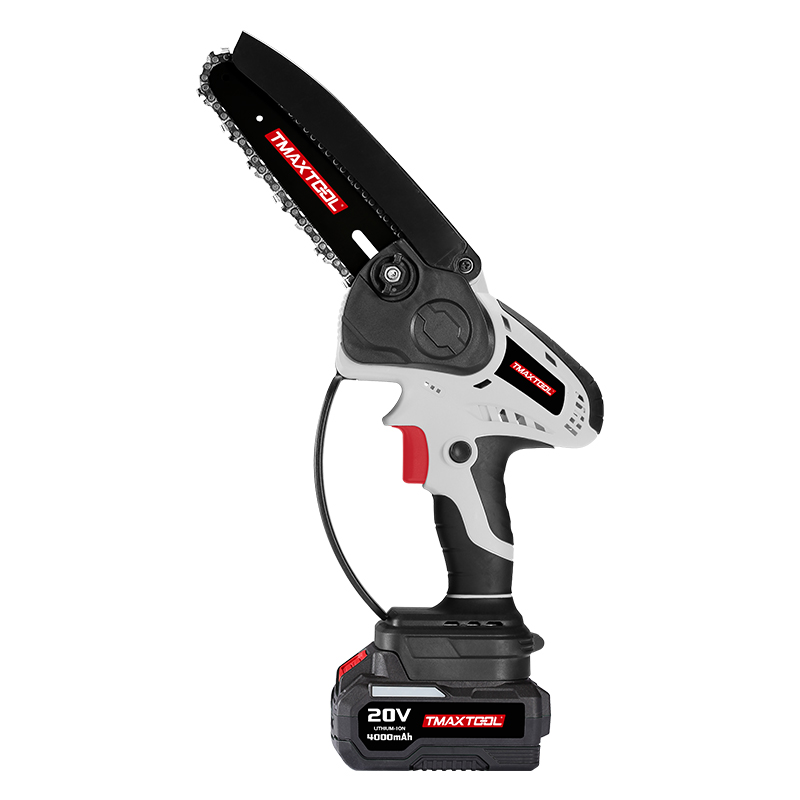 Battery Chain Saw
 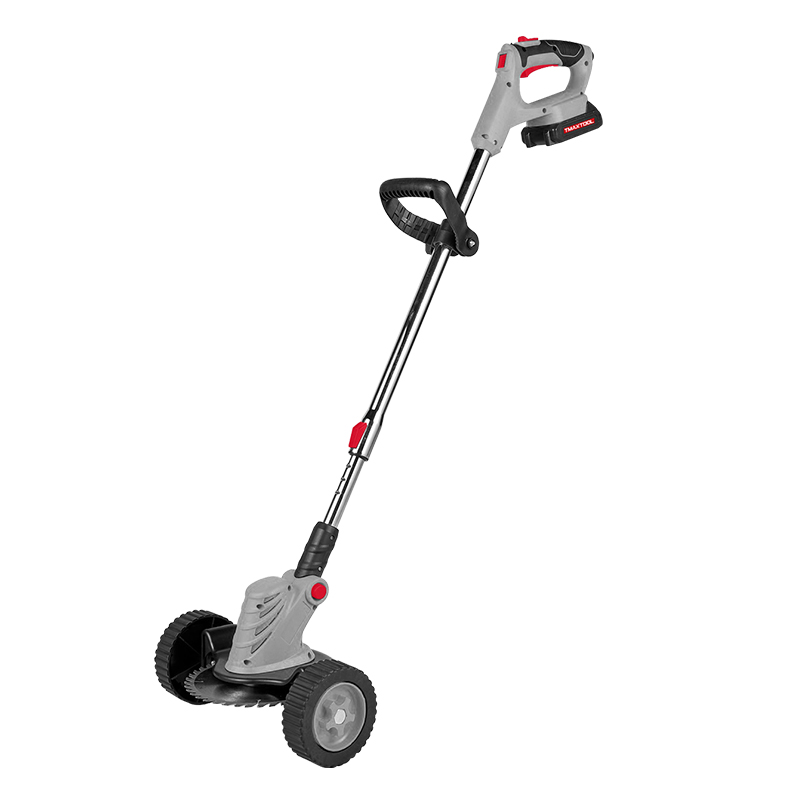 Battery Brush Cutter
 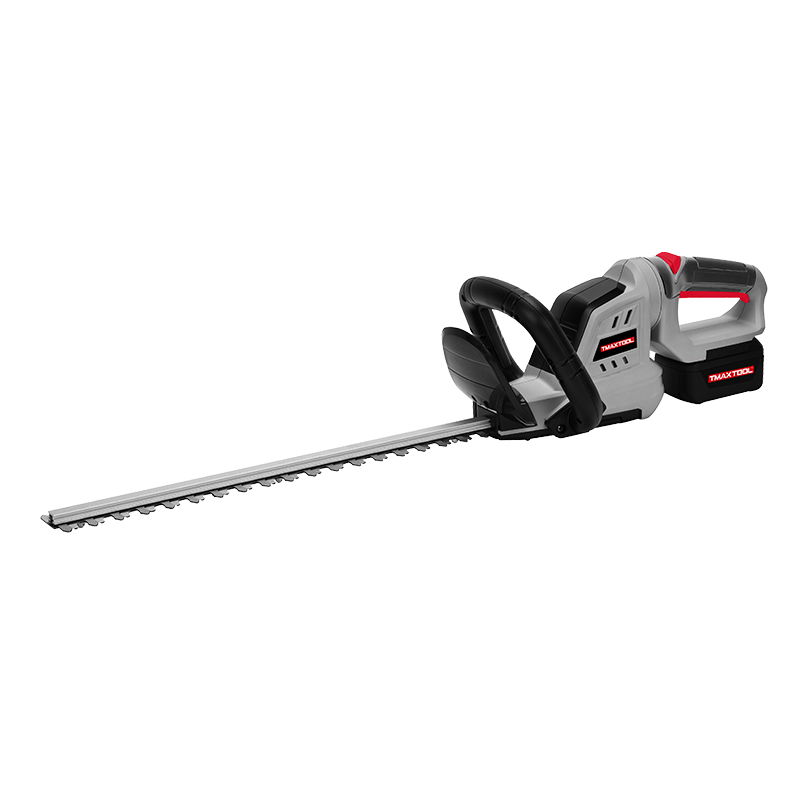 Battery Hedge Trimmer
 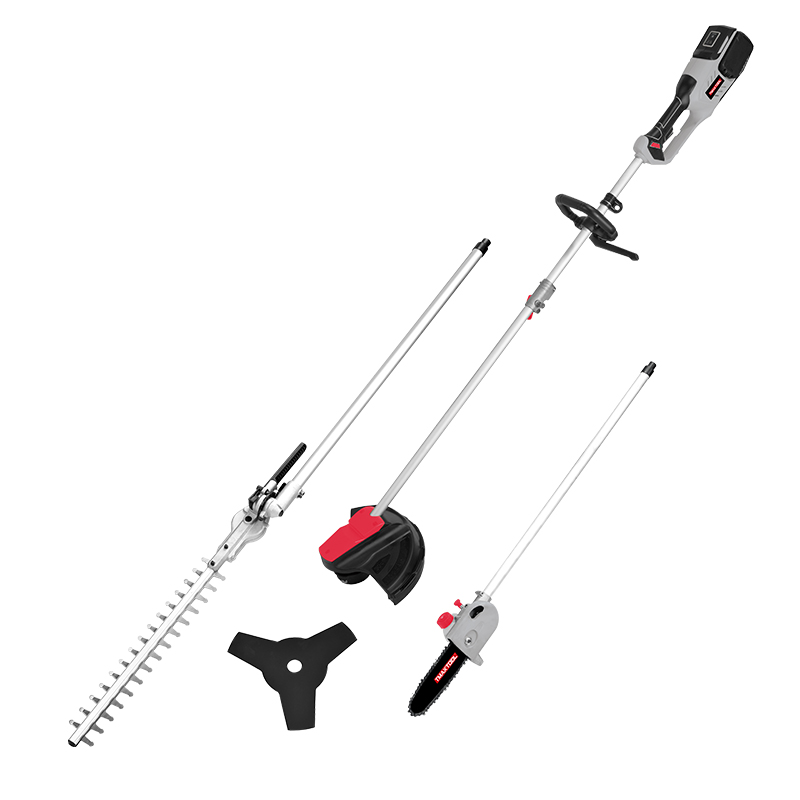 Battery Multi Tool
 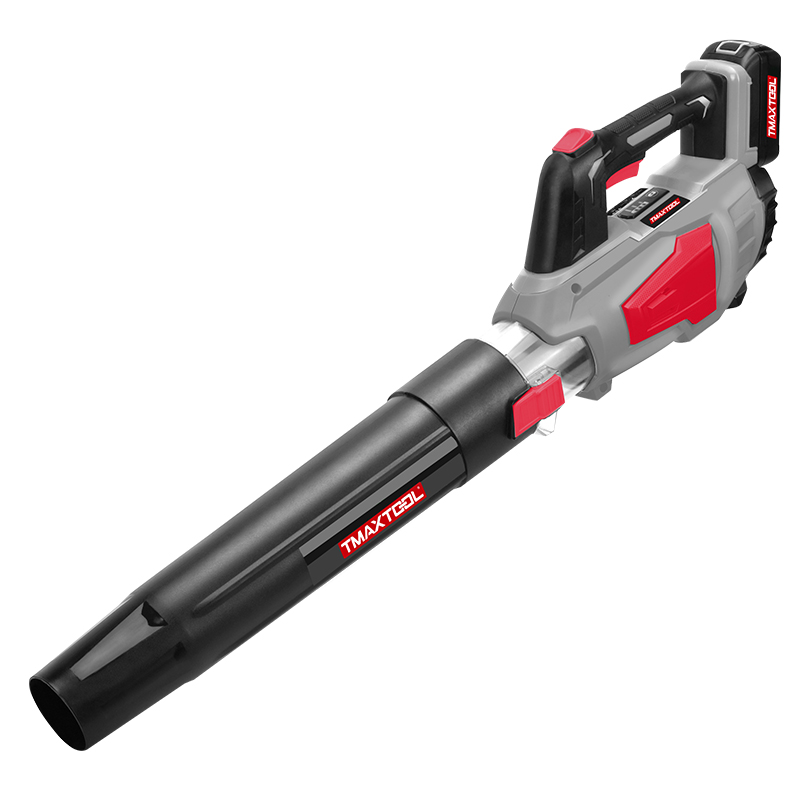 Battery Blower
 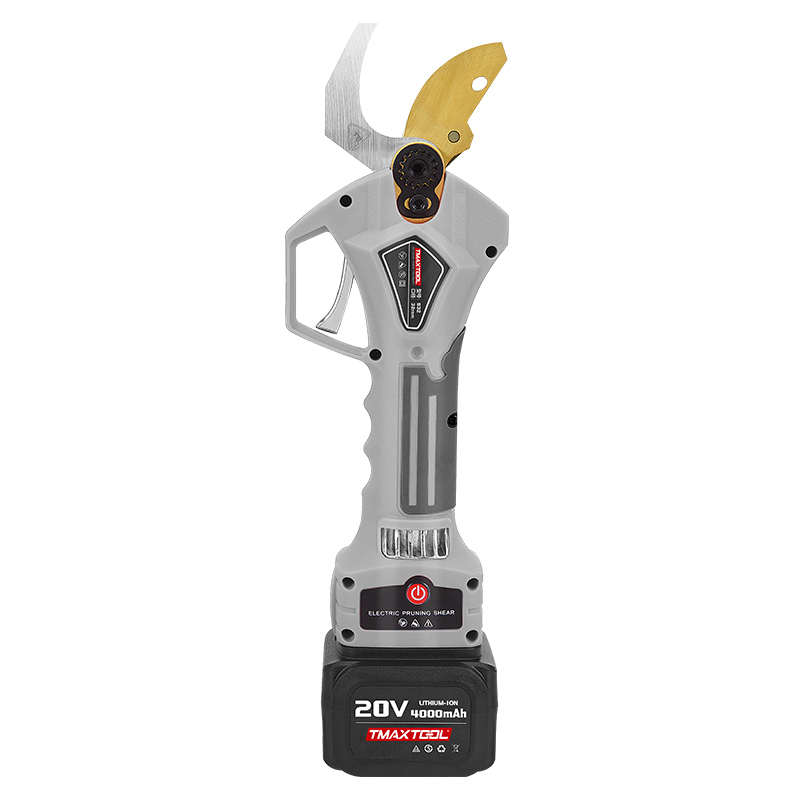 Batter Pruning Shears
 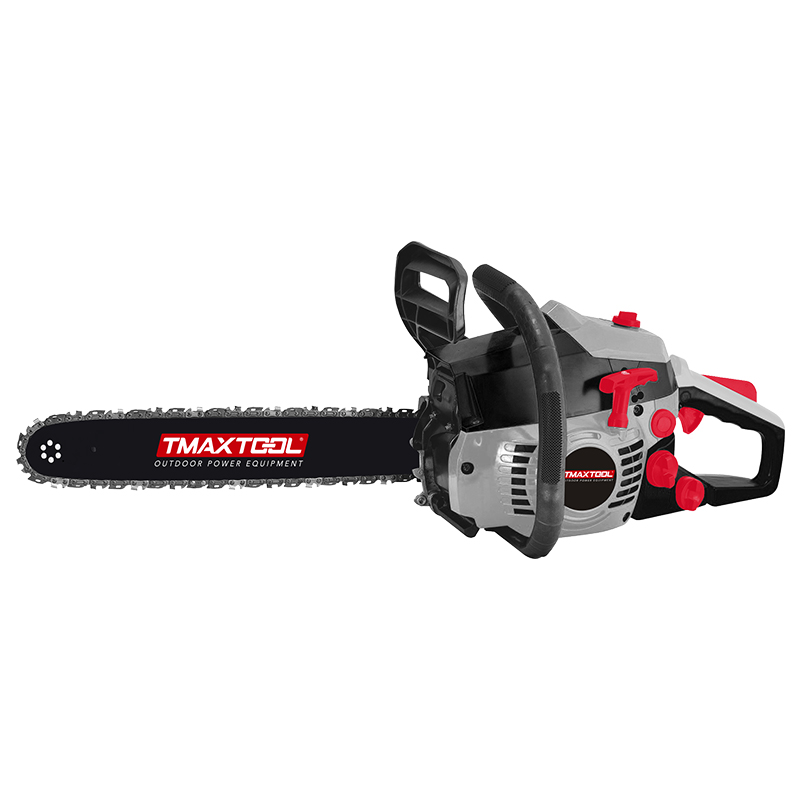 Chain Saw
 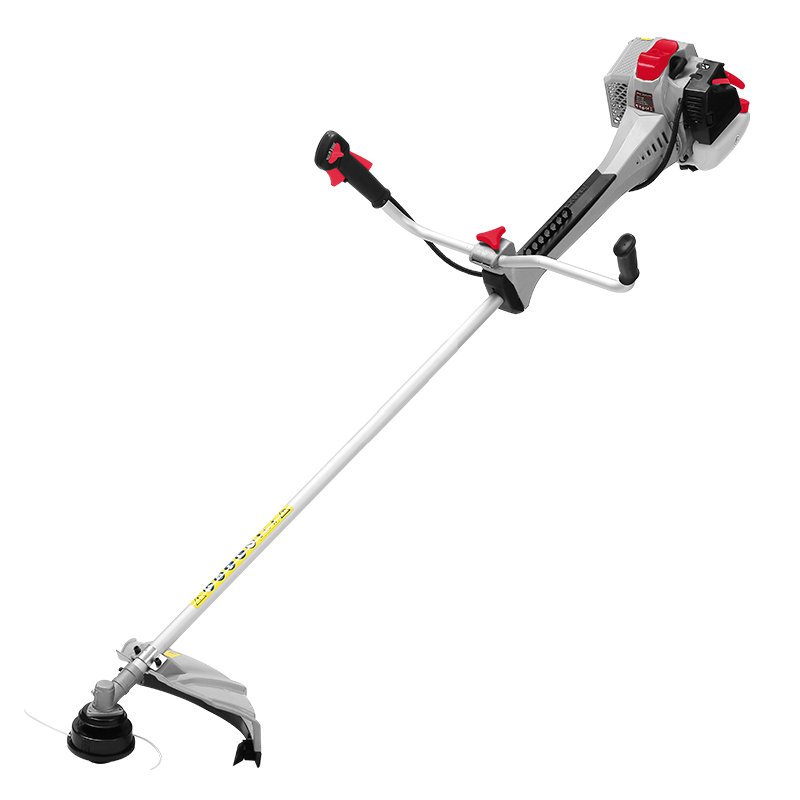 Brush Cutter
 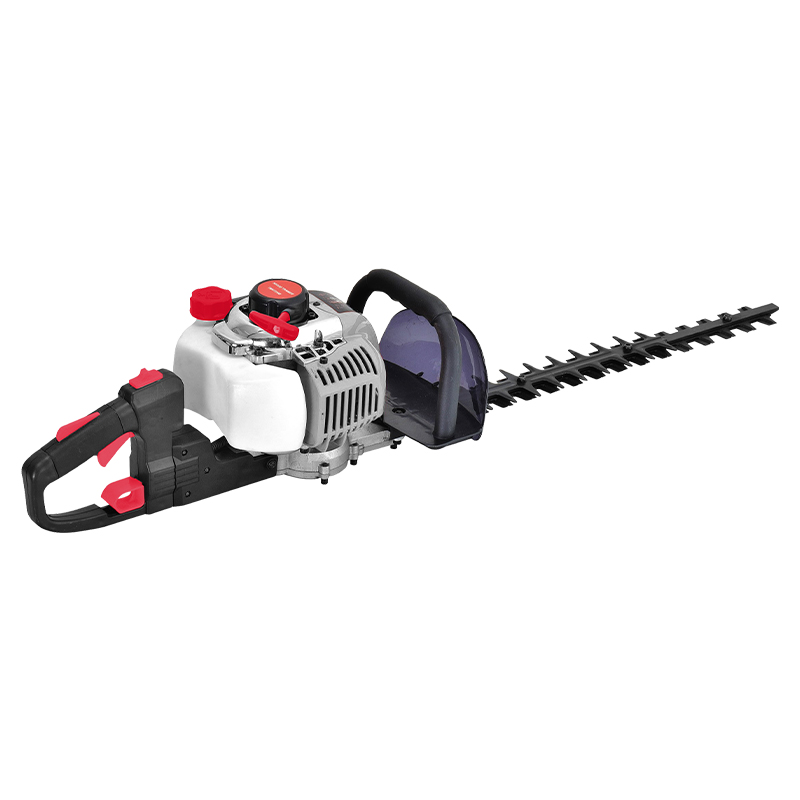 Hedge Trimmer
 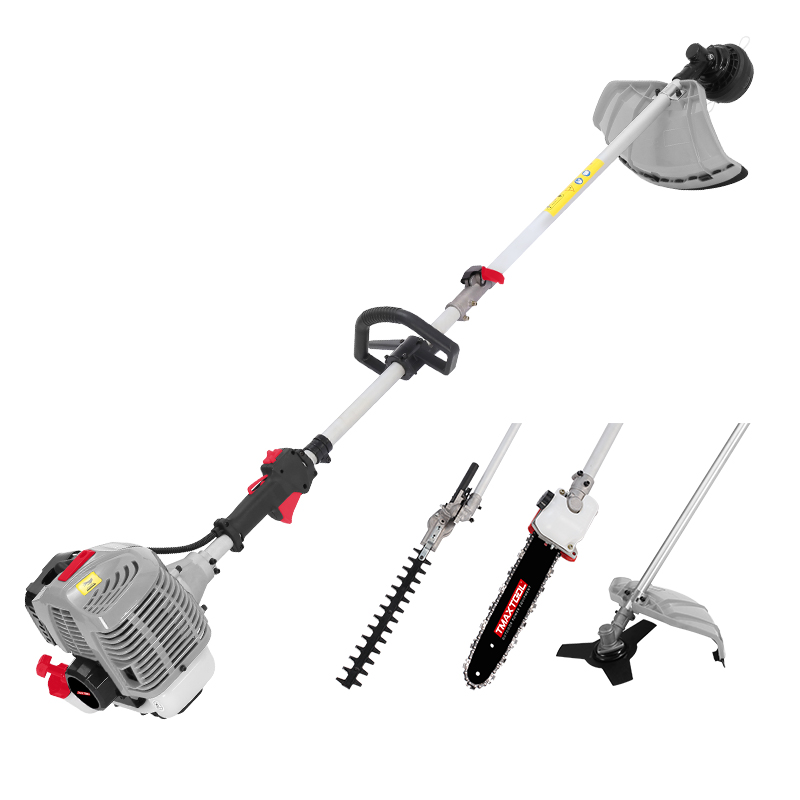 Multi Tool
 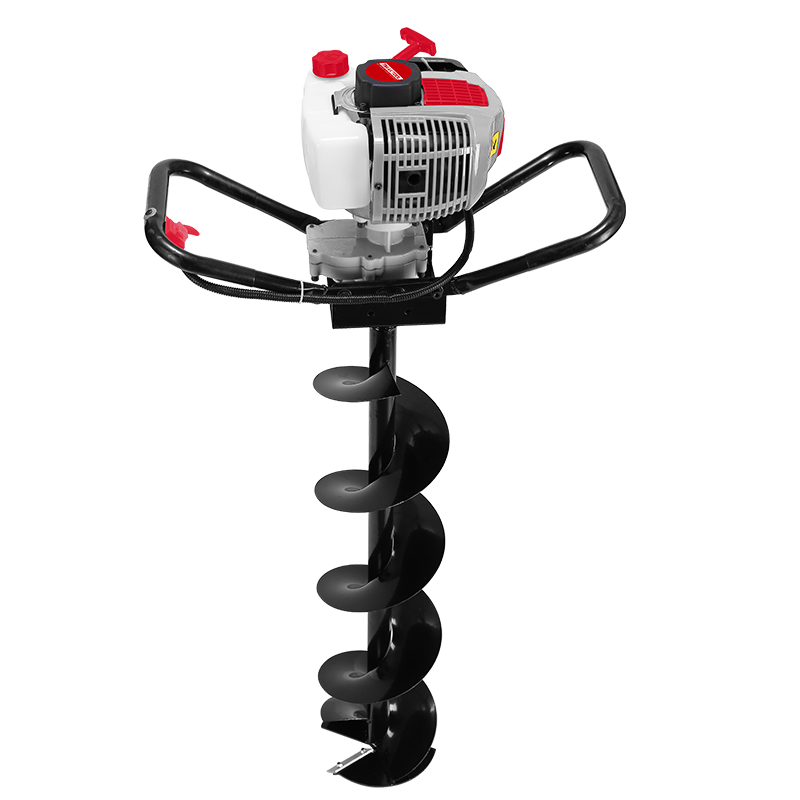 Earth Auger
 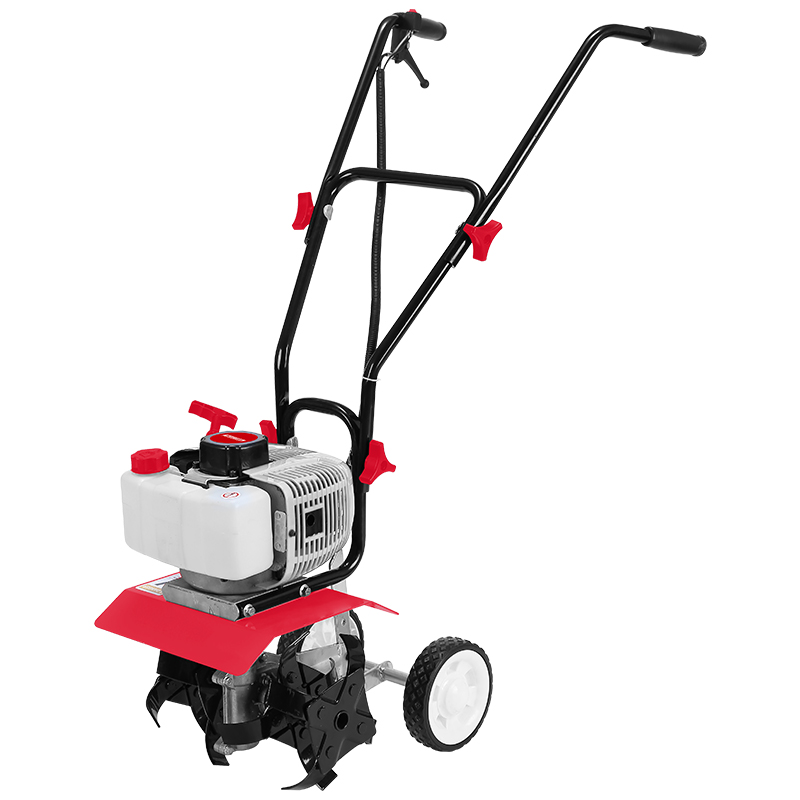 Tiller
 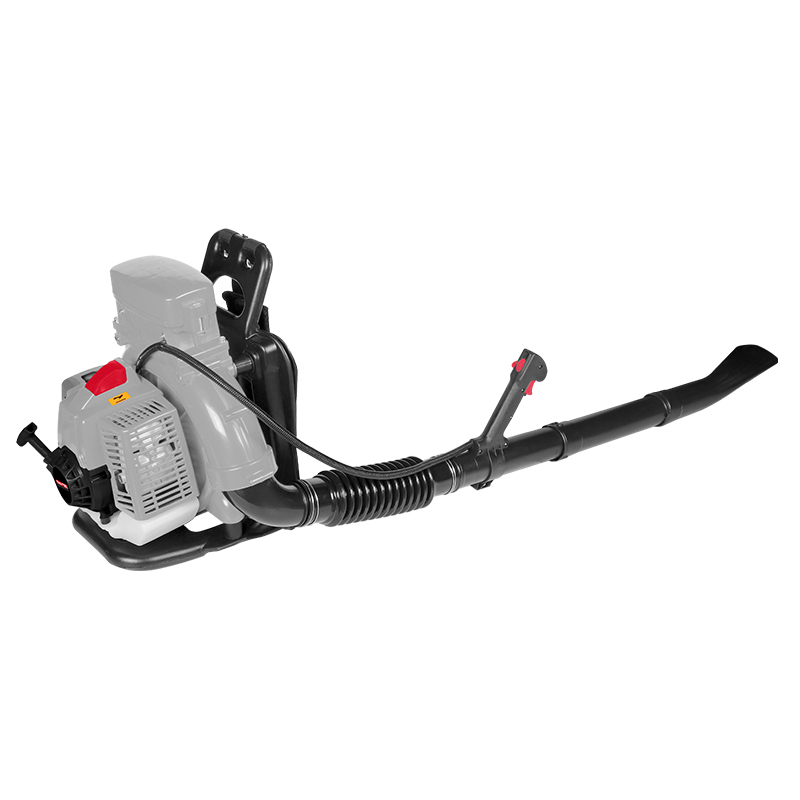 Blower
 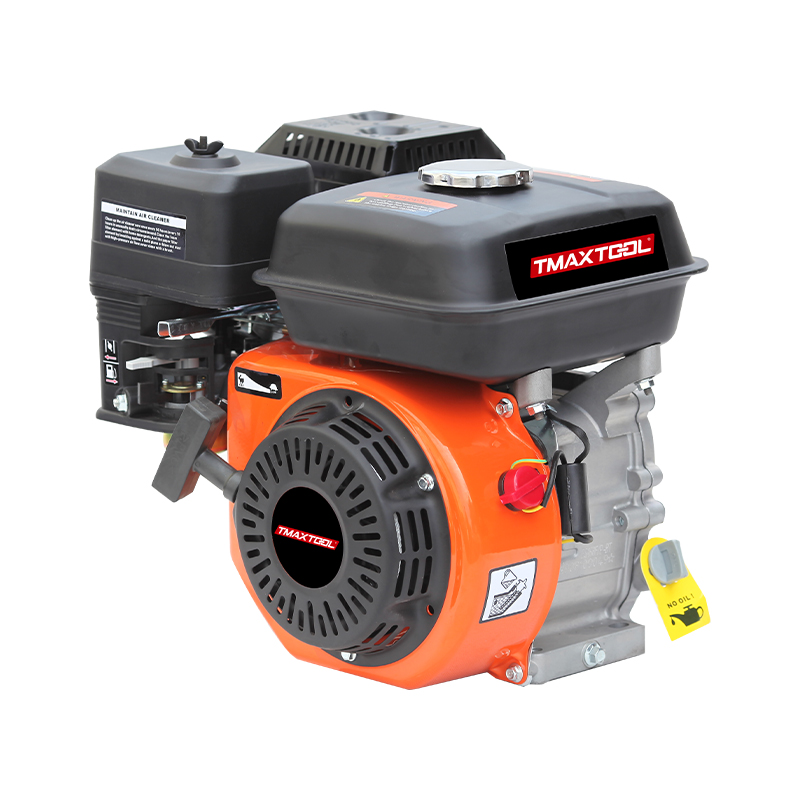 4 Stroke Gasoline Engine
 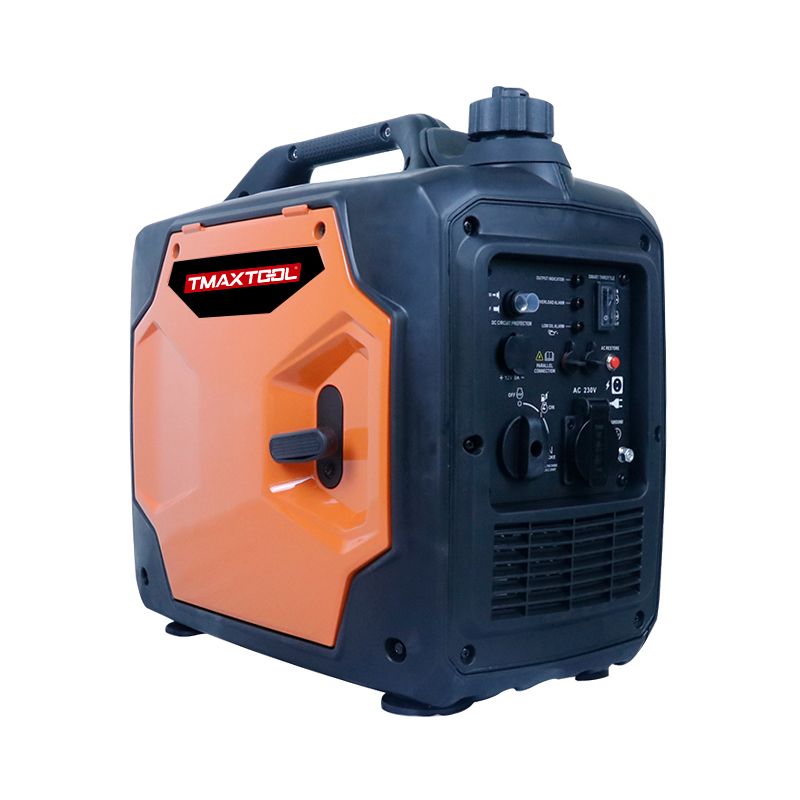 Generator
 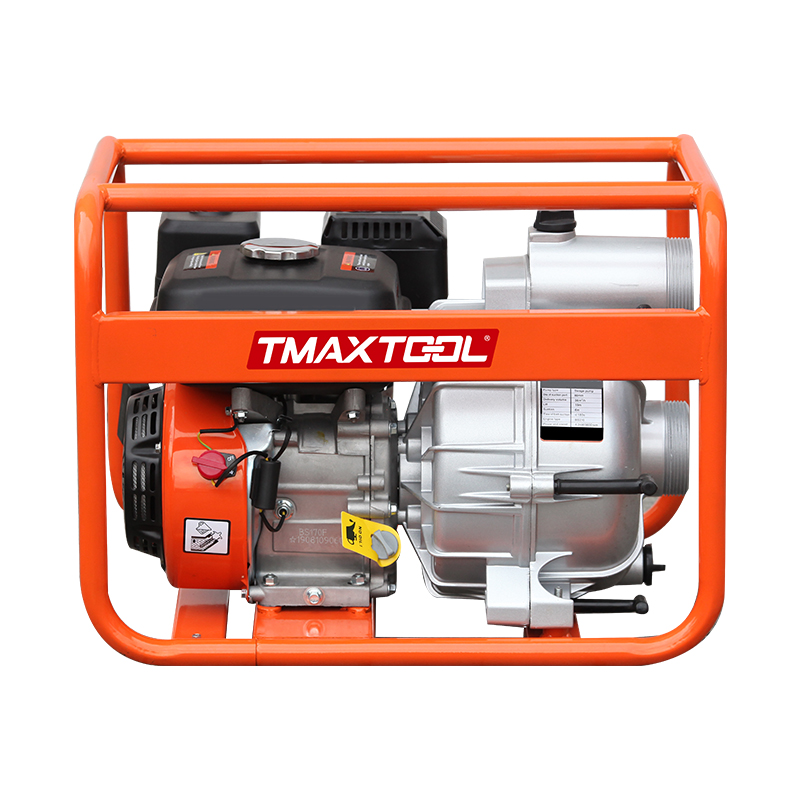 Water Pump
 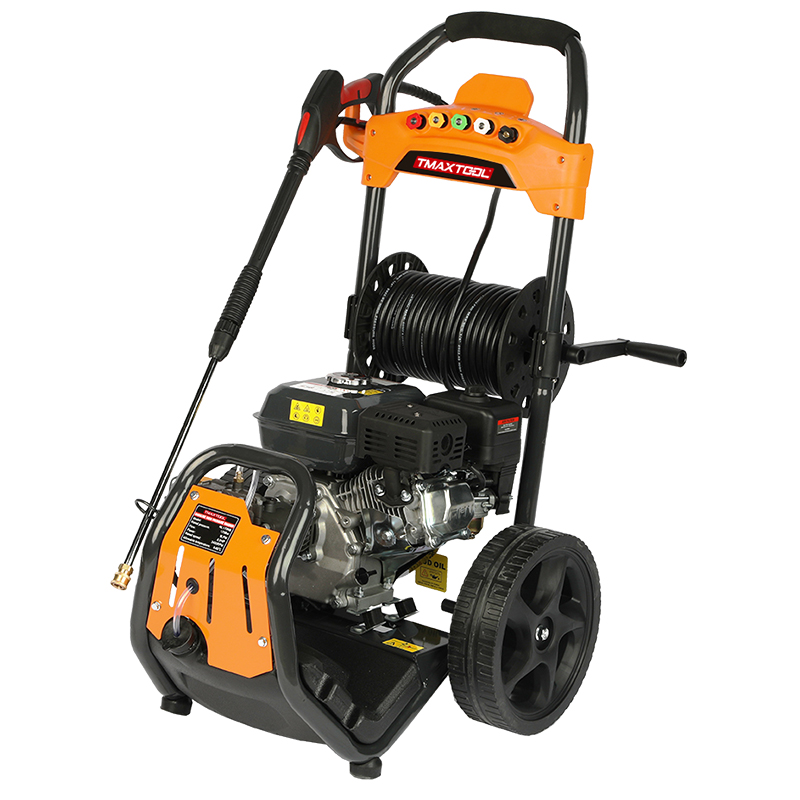 High Pressure Washer
 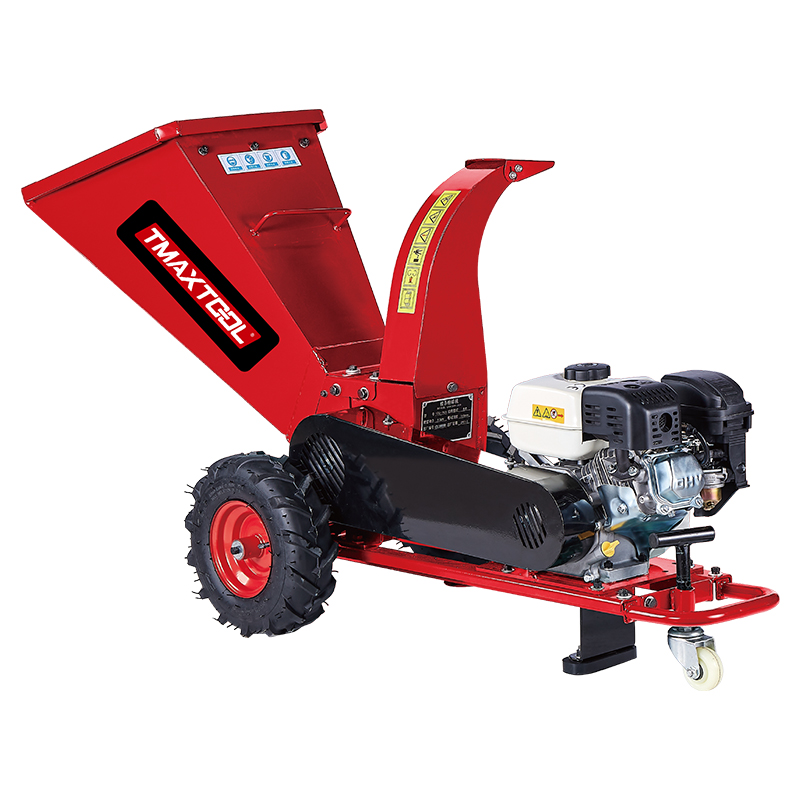 Wood Cutter
 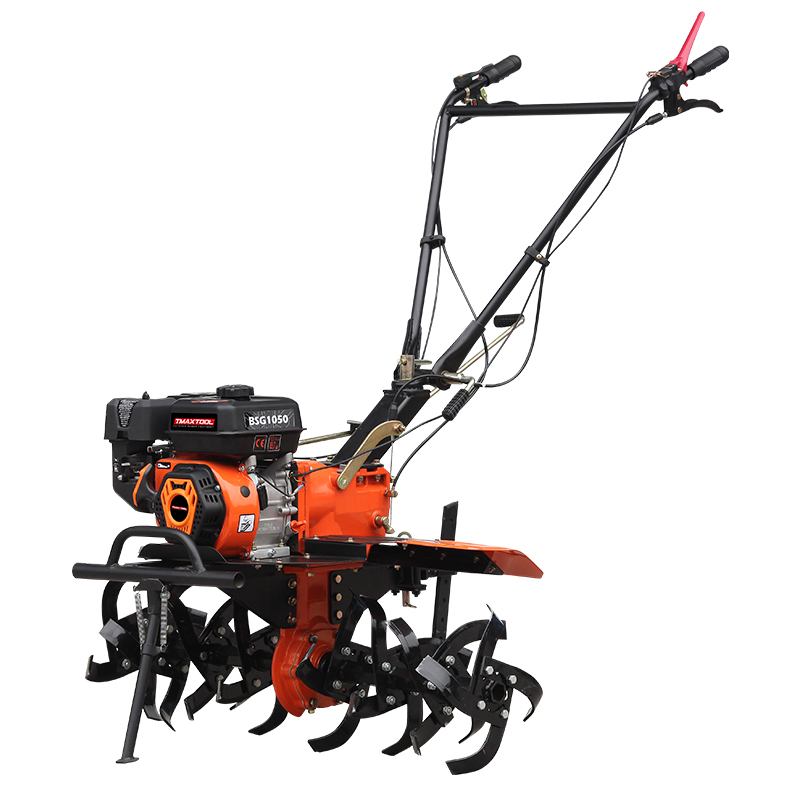 4 Stroke Tiller
 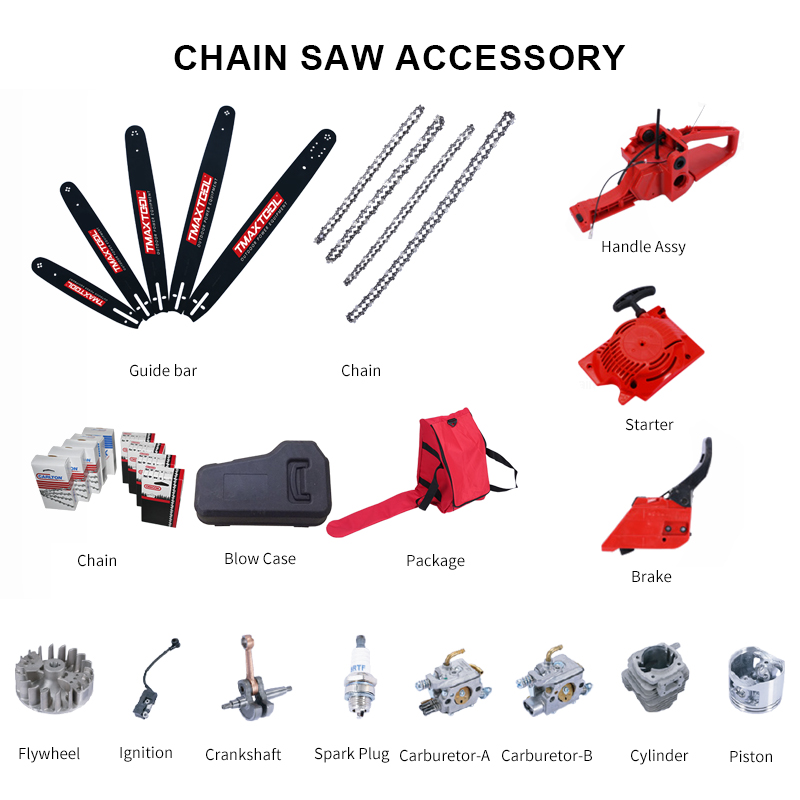 Chain Saw Accessory
 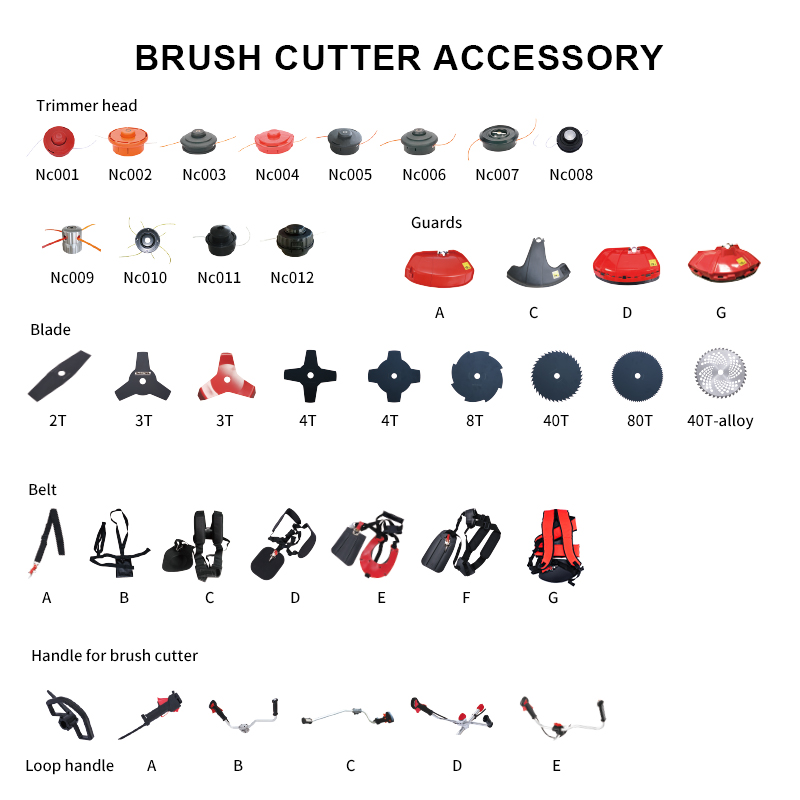 Brush Cutter Accessory
 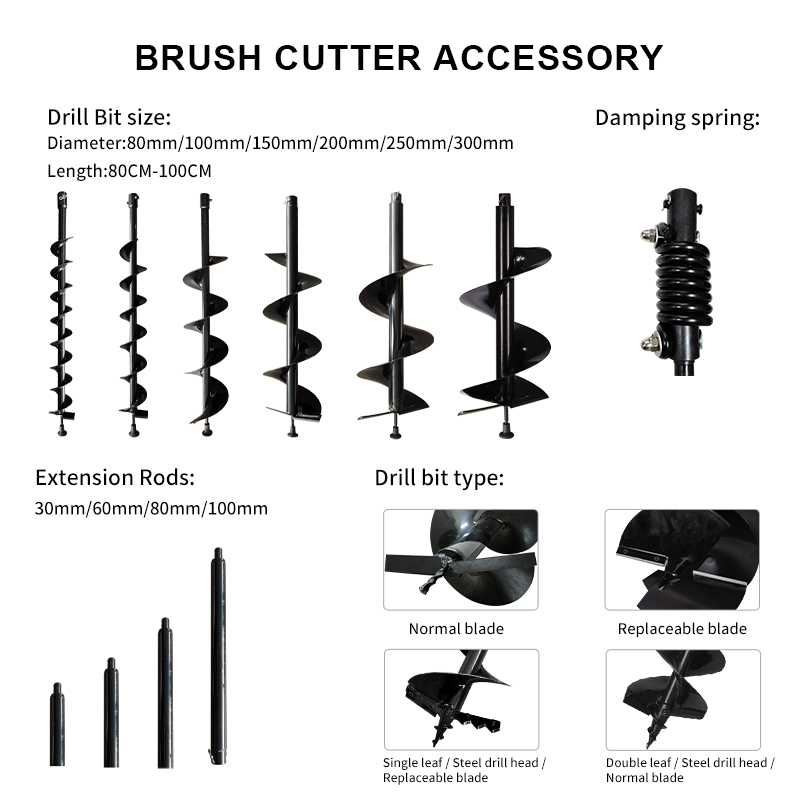 Earth Auger Accessory
  Protective Equipment Accessories
Leave Your Message


Correct vibration method and technique of concrete
What is Concrete Vibration?
Vibrating of concrete is carried out for the sake of consolidation. The main objective of vibration is to compact the concrete and to achieve the maximum possible density of concrete. Almost 5 to 8% by volume of freshly placed concrete in the form is occupied by air bubbles. Air bubbles occupy this space in a highly workable concrete mix.
The why and how of consolidating concrete
What factor has a greater effect on concretec ompressive strength than any other? Most engineers would say water-cementratio…as water-cement ratio increases strength decreases. Duff Abrams showed this in 1919, and Abram's law is the principle behind most concreting proportioning methods used today. But Abtams ran his tests on fully consolidated concrete. Unless concrete is properly consolidated, voids reduce strength regardless of the water-cement ratio. And, as shown in Figure1, the effect is significant.
Right after it's placed, concrete contains much as 20% entrapped air. The amount varies with mix type and slump, form size and shape, the amount of reinforcing steel, and the concrete placemen method. At a constant water-cement ratio. each percent of air decreases compressive strength by about 3% to 5%.Consolidating the concrete, usually by vibration, increases concrete strength by driving out entrapped air. lt also improve sbond strength and decreases concrete permeability.
Vibration is a two-part process
How does vibration consolidate concrete? Figure 2 shows it to be a two-part process. A vibrator creates waves that separate aggregate particles. reducing friction btween them.
Figure 1. Degree of consolidation can have as much effect on compressive strength as water-cement ratio. Low-slump concrete may contain up to 20%entrapped air when placed.
Figure 2. A vibrator consolidates concrete in a two-part process. The first waves liquify the concrete so it flows better and th e continuing waves knock out air bubbles.

CORRECT
Vertical penetration a few inches into previous lift (which should not yet be rigid) of systemmatic regular intervals will give adequate consolidation.
INCORRET
Haphazard random penetration of the vibrator at all angles and spacings without sufficient depth will not assure intimate combination of the two layers.

Compaction of concrete or Vibration of concrete can be performed in five different methods are:
1- Vibrating the concrete internally by inserting an internal vibrator into the concrete mass.
2- Vibrating the concrete while fixing the shuttering using Shutter formwork vibrators.
3- By Vibrating the entire mass of concrete using a vibrating table.
4- Vibrating the concrete externally on the surface using surface vibrators.
5- Vibrating the concrete using rebar shakers.
Concrete Vibrating Tips
1- Do not over vibrate the concrete as it lets the mixture break and separate. Also, do not under vibrate the concrete because air might still be trapped in the lower layers of the cement pour, which leads to a weak concrete structure that easily breaks with minimum pressure.
2- The most common technique with an internal vibrator is to withdraw the vibrator slowly, at a rate of around 25mm inch per second. If bubbles are still emerging as the concrete vibrator is withdrawn, more vibration is necessary.
3- To prevent cold joints from occurring to concrete layers as these are poured over with a new layer of cement mixture, make sure to penetrate the pour thoroughly with a vibrator and mix in the previously poured layer with the newly placed one.
4- For maximum efficiency, use only vertical movements when vibrating to have an even mixture of aggregate and concrete. Horizontal motion can lead to uneven distribution and increases the possibility of the vibrator tangling in the rebar or reinforcing steel.
5- Avoid using the vibrator as a concrete placement tool because it will not produce a consistent surface and it might even provide more problems in structural strength and form.
6- Use the appropriate type of concrete vibrator depending on the structure being built or the size of the working area. Consider using a compact lightweight concrete vibrator for smaller jobs for manageability and efficiency.
7- Consider having a back-up concrete vibrator on hand to have a second replacement tool instantly if the first one encounters any problems while on the job.
