
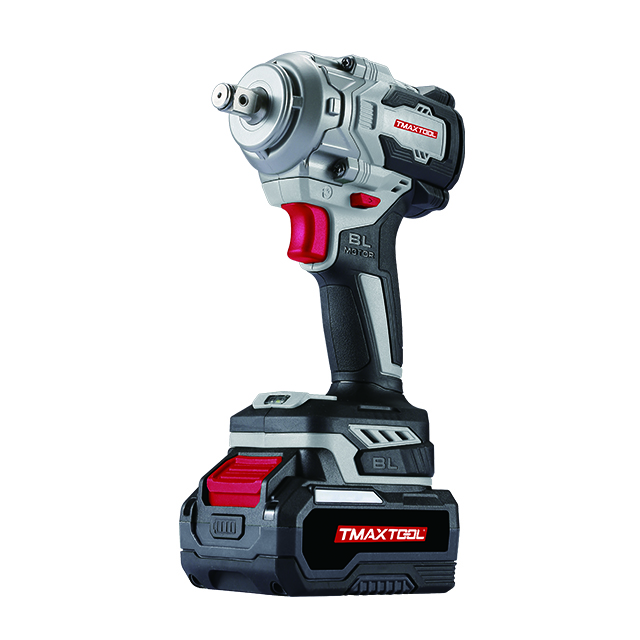
 Impact Wrench
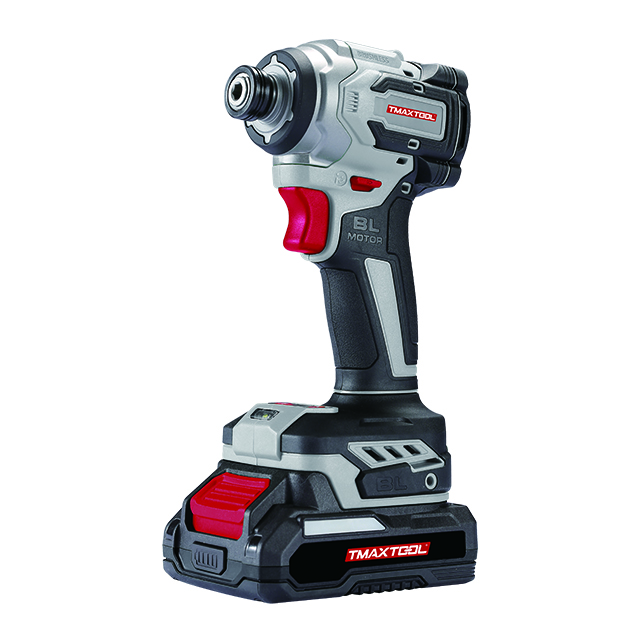 Screwdriver
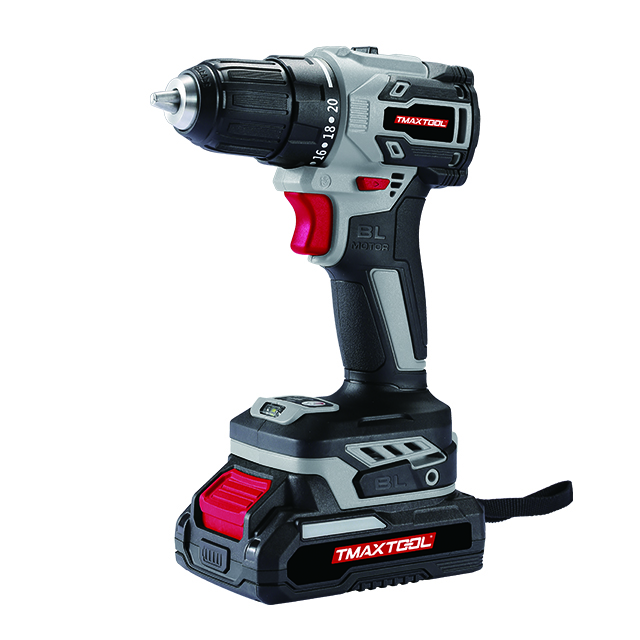 Cordless Drill
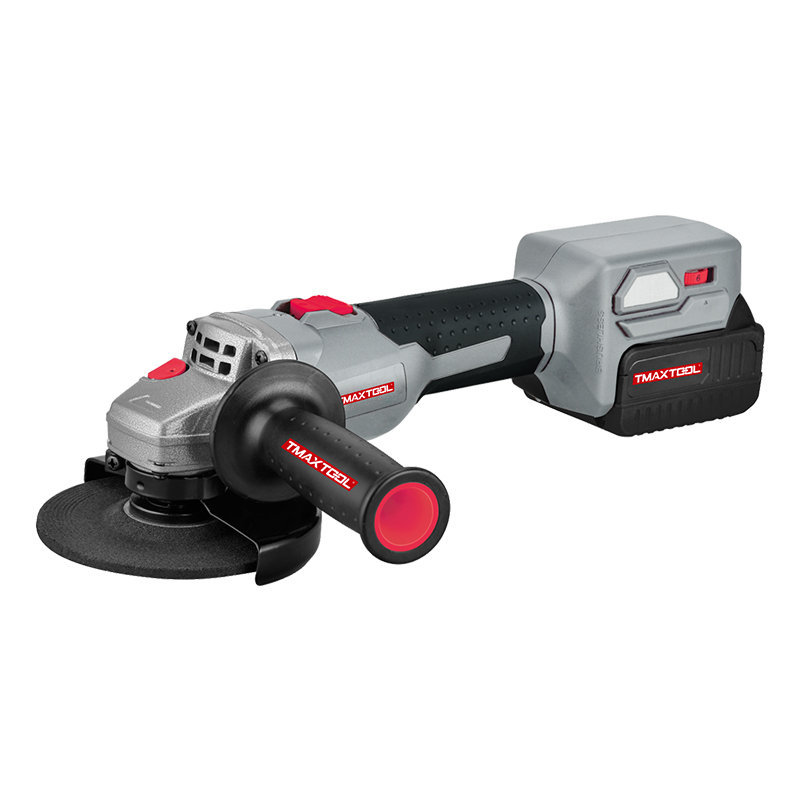 Angle Grinder
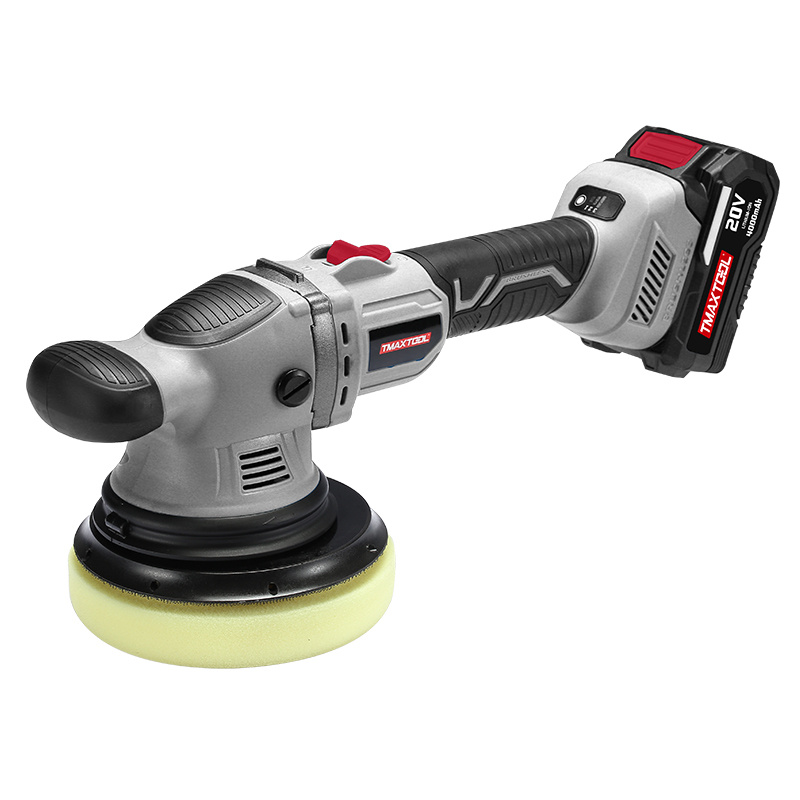 Polisher
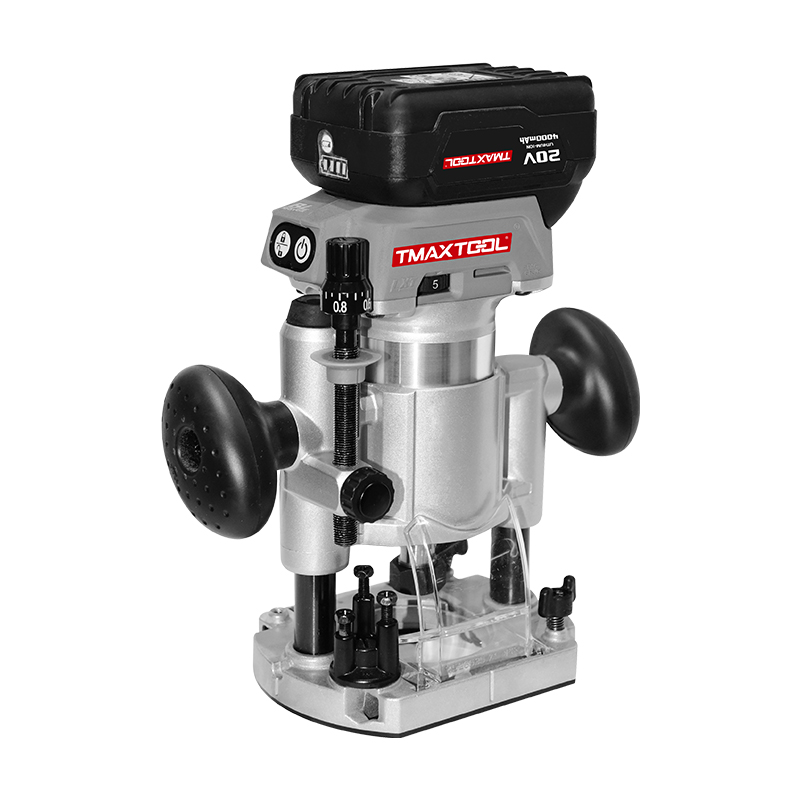 Wood Router
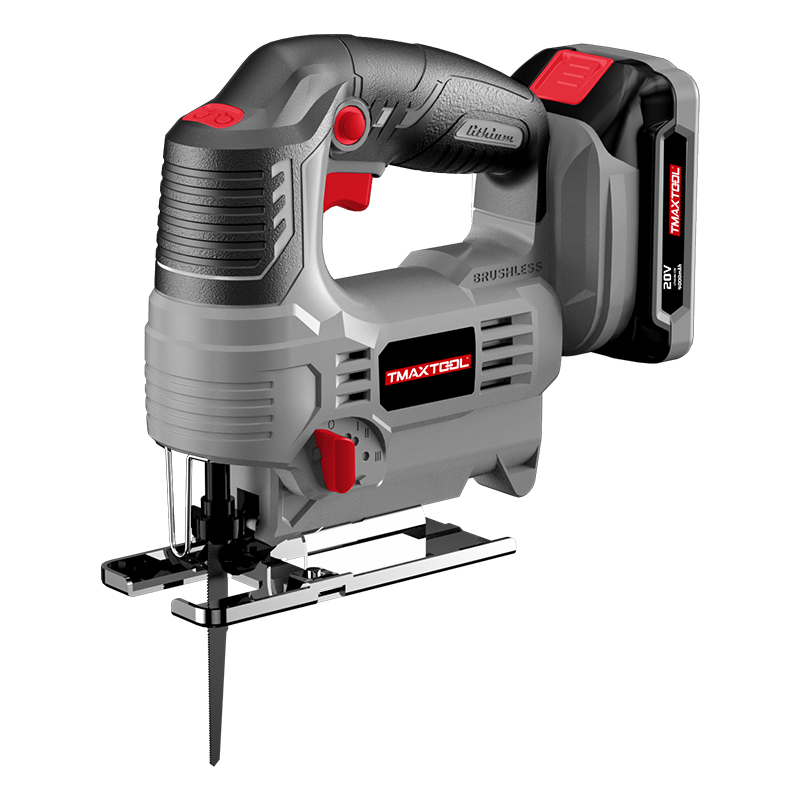 Jig Saw
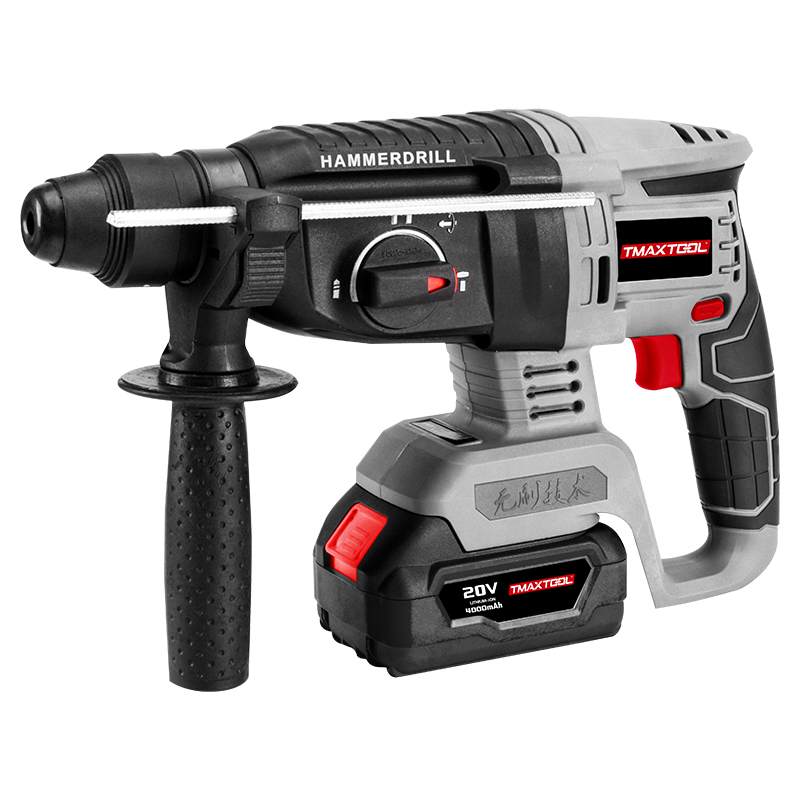 Hammer Drill
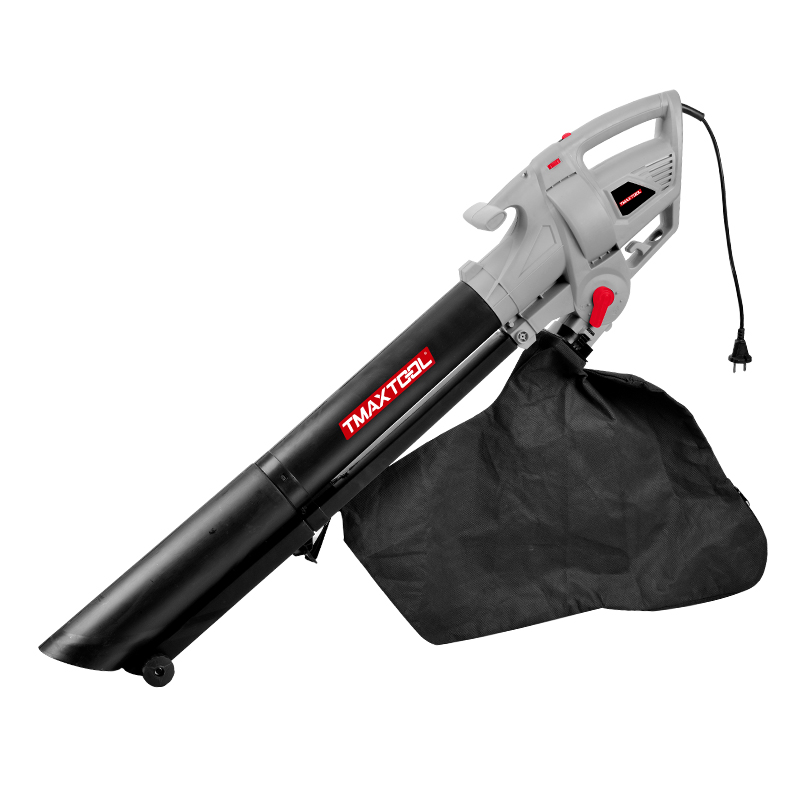 Portable Blower
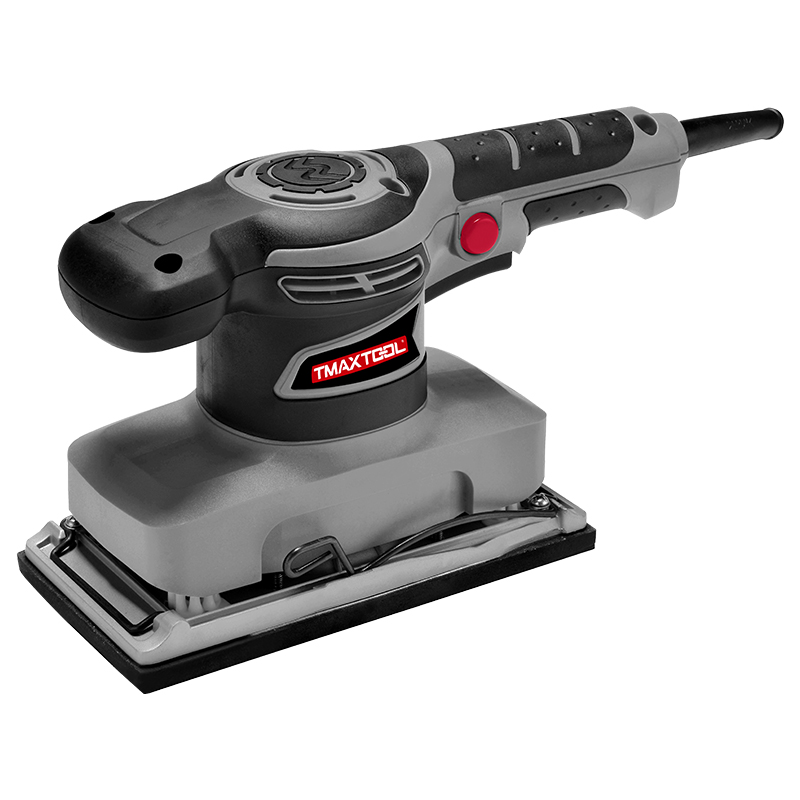 Orbital Sander
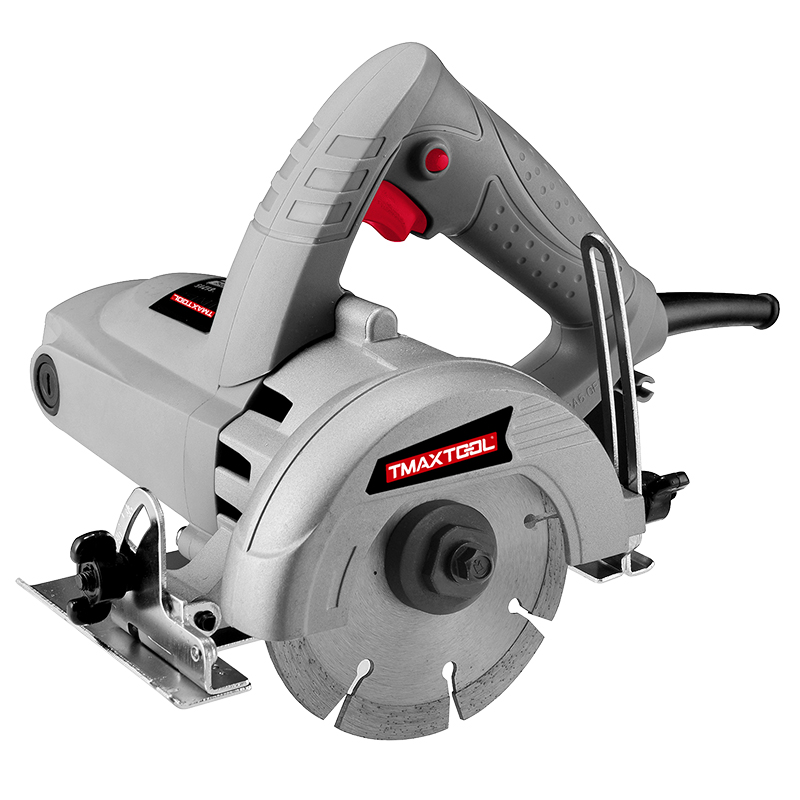 Marble Cutter
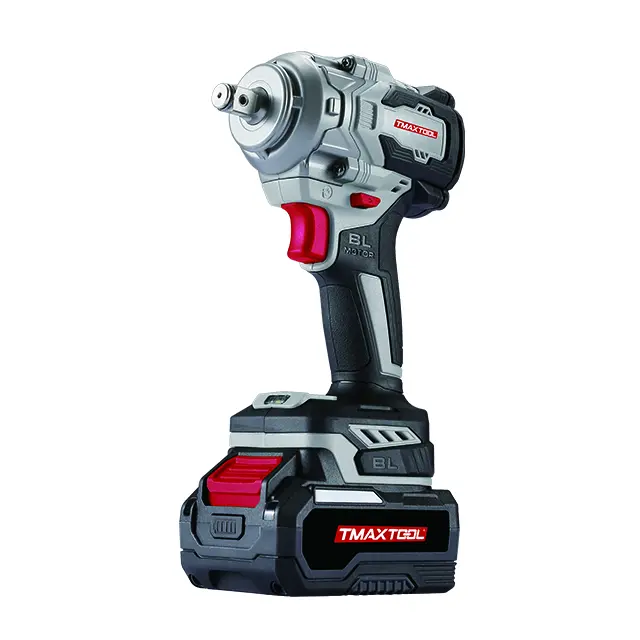 GARDEN TOOLS
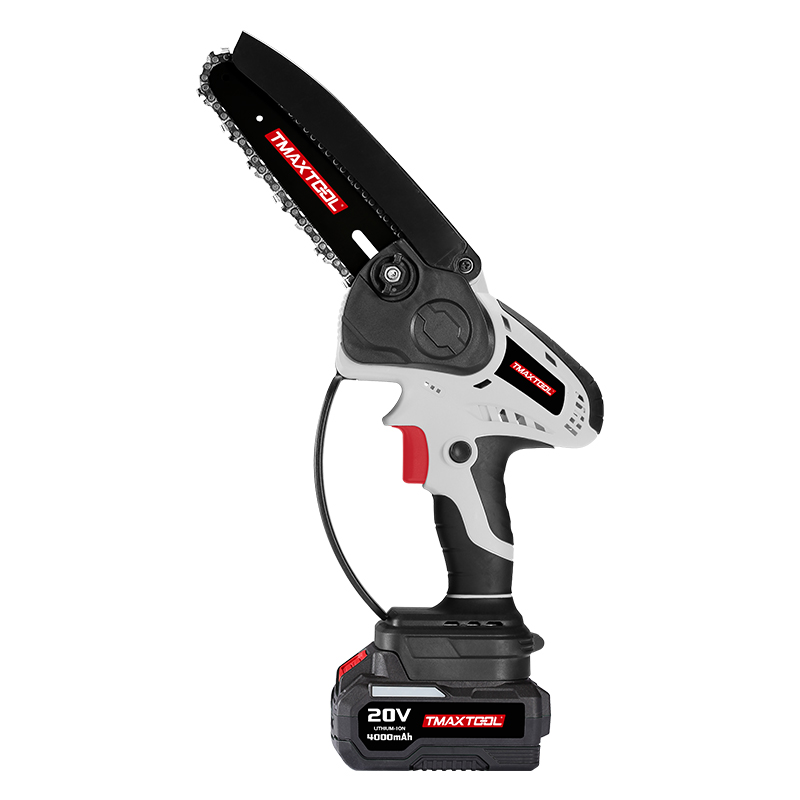 Battery Chain Saw
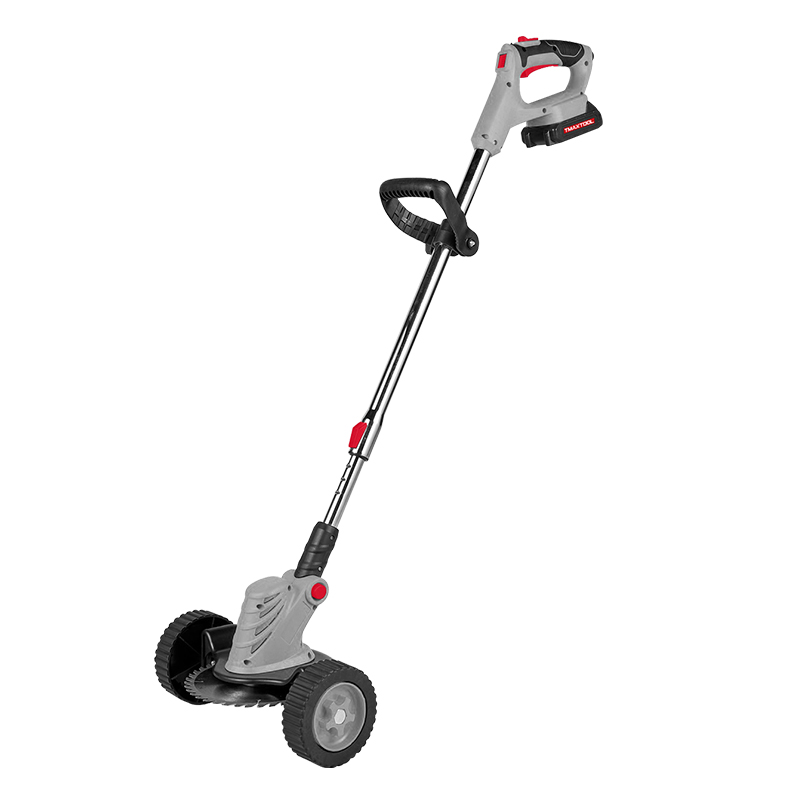 Battery Brush Cutter
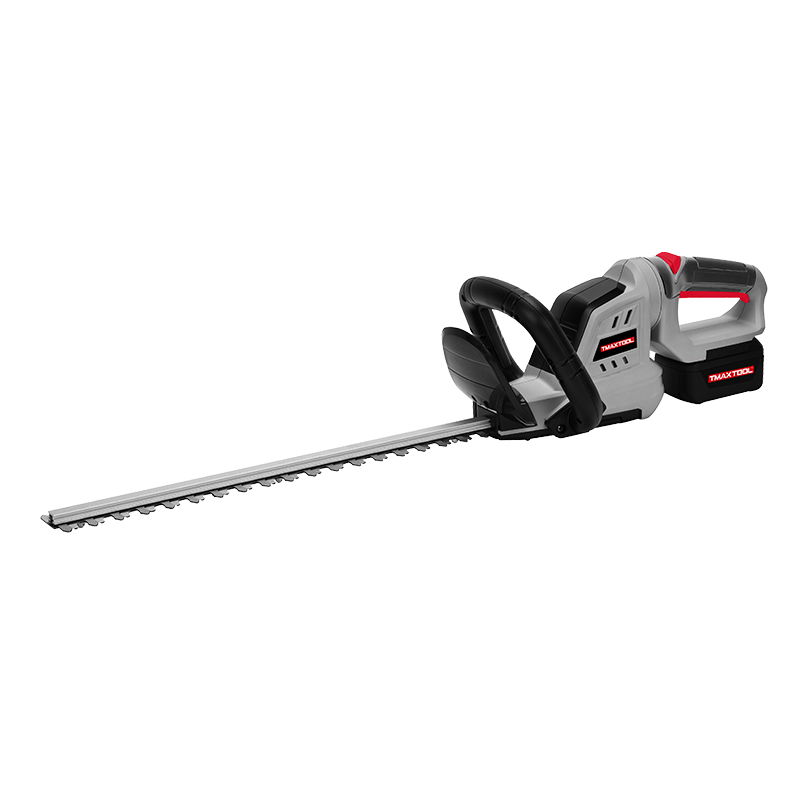 Battery Hedge Trimmer
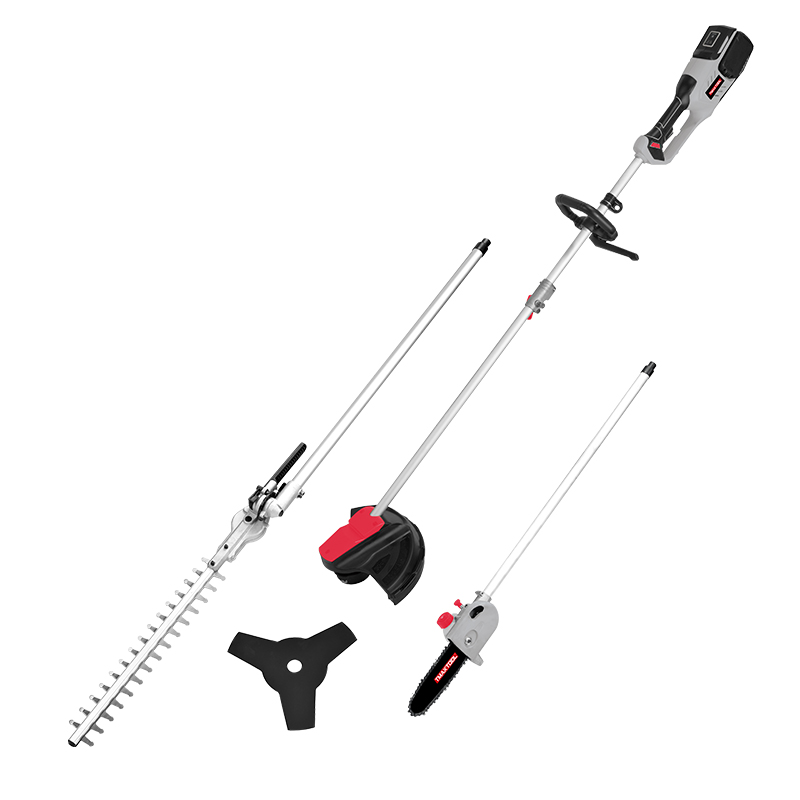 Battery Multi Tool
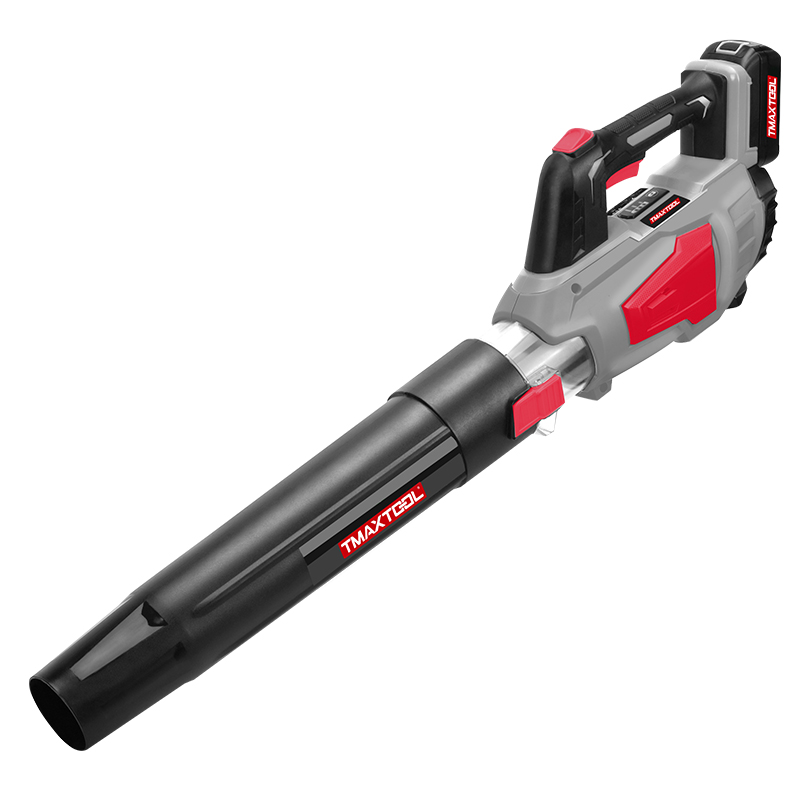 Battery Blower
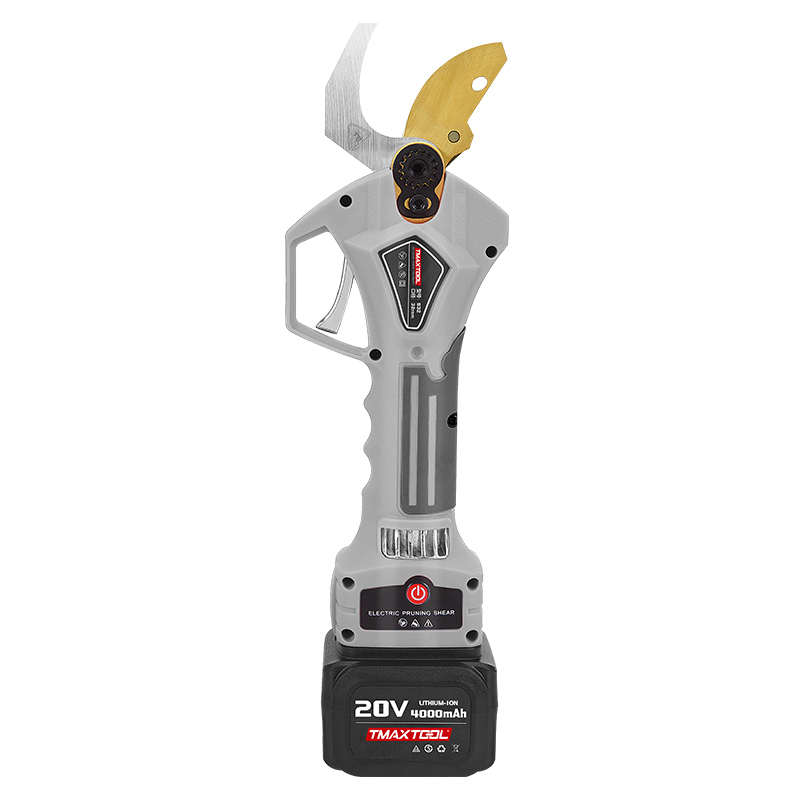 Batter Pruning Shears
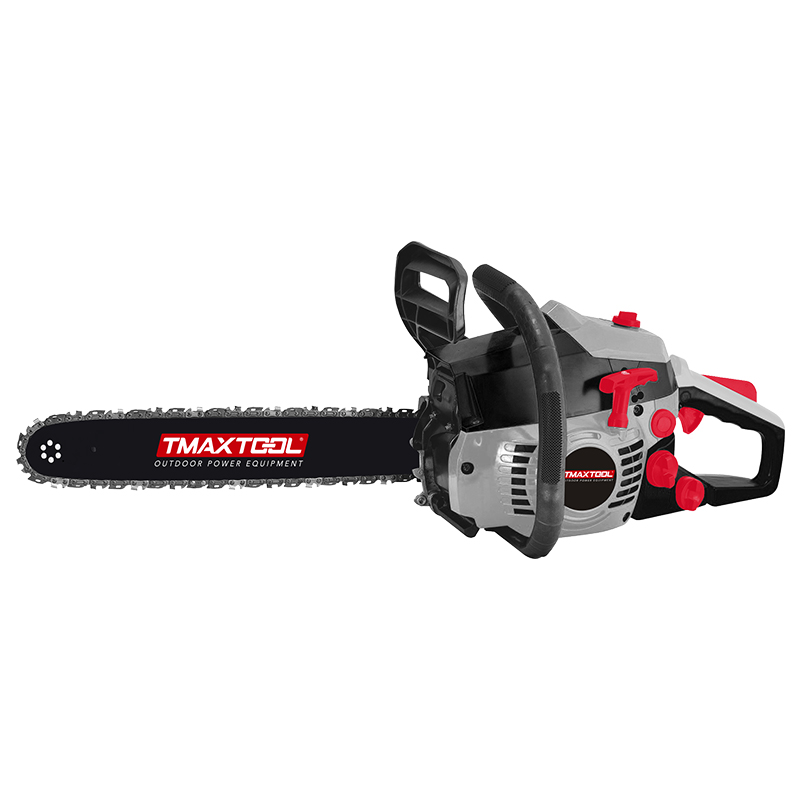 Chain Saw
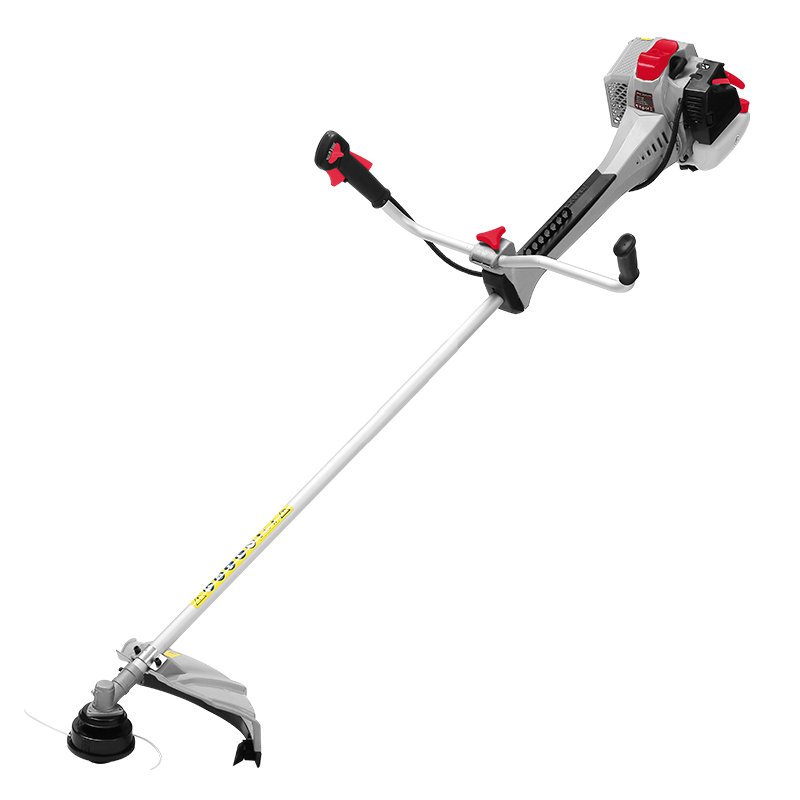 Brush Cutter
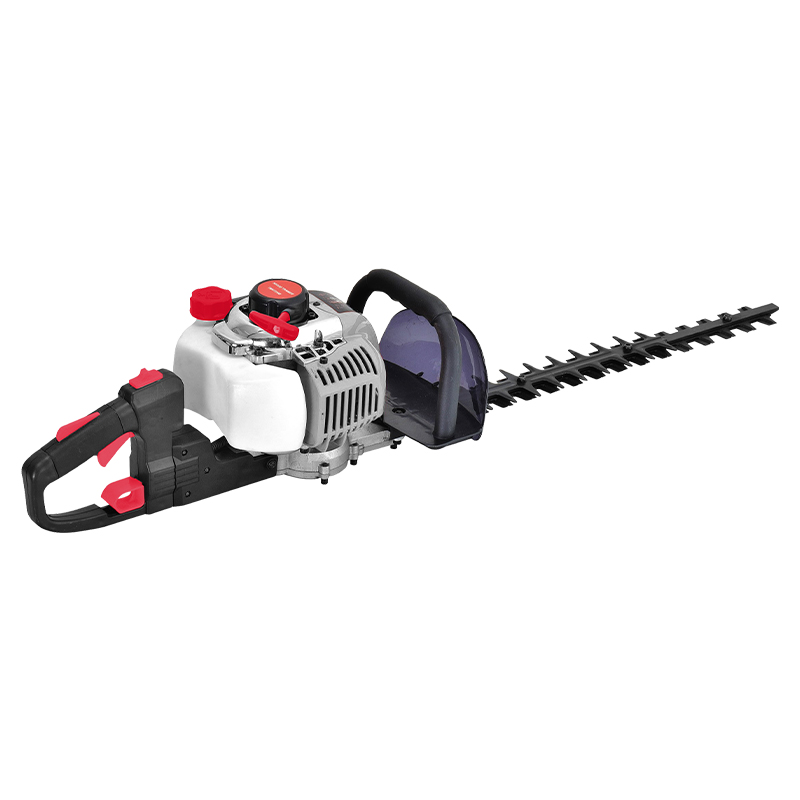 Hedge Trimmer
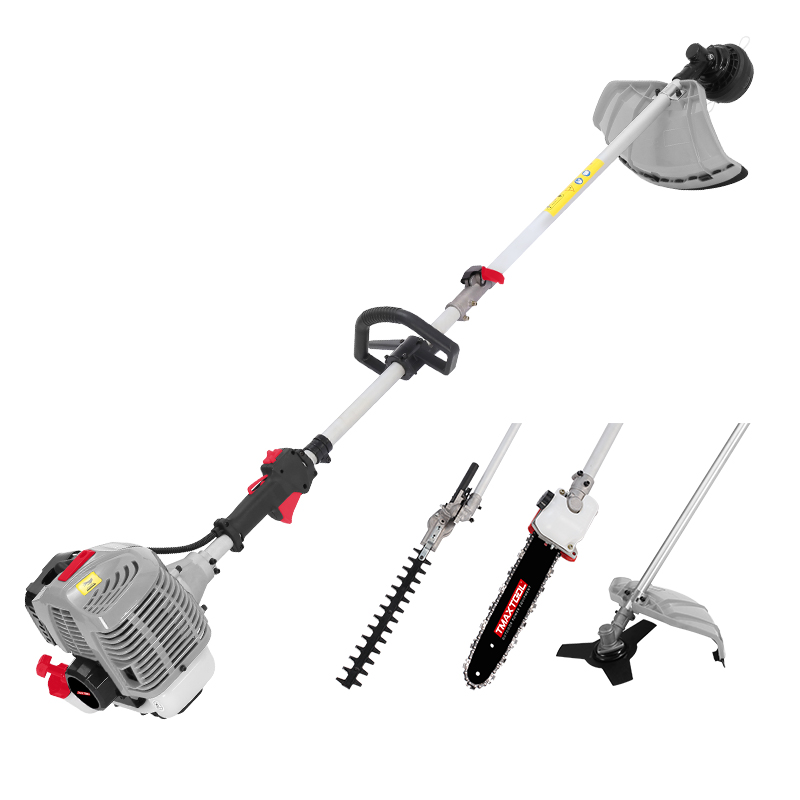 Multi Tool
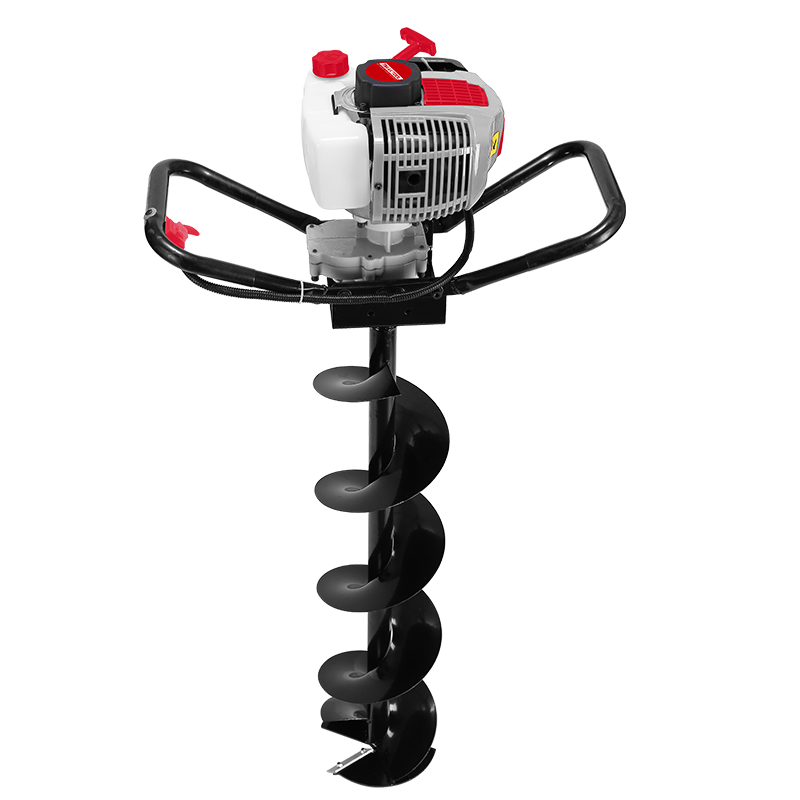 Earth Auger
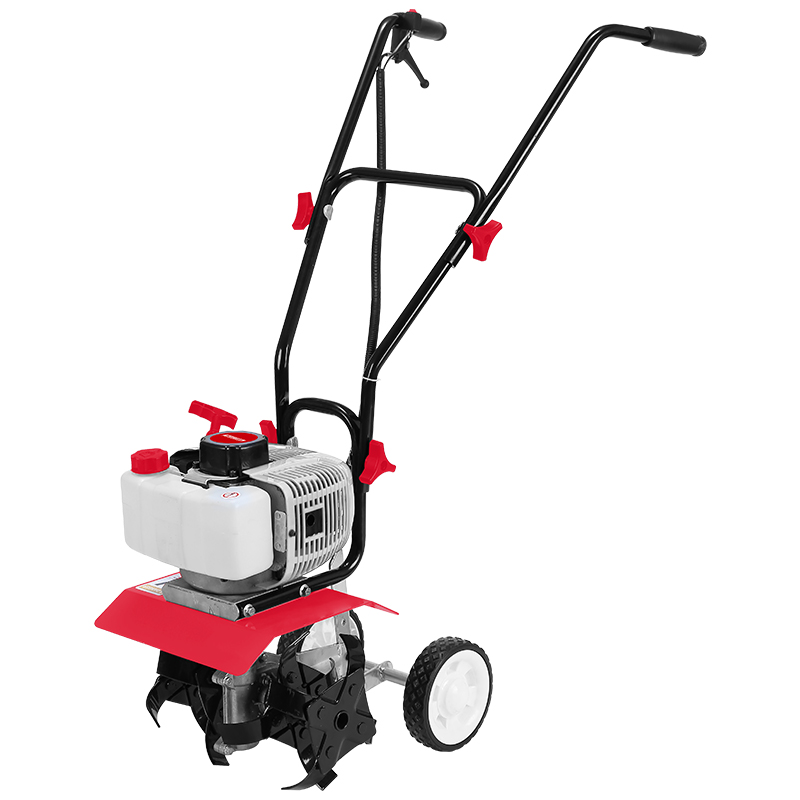 Tiller
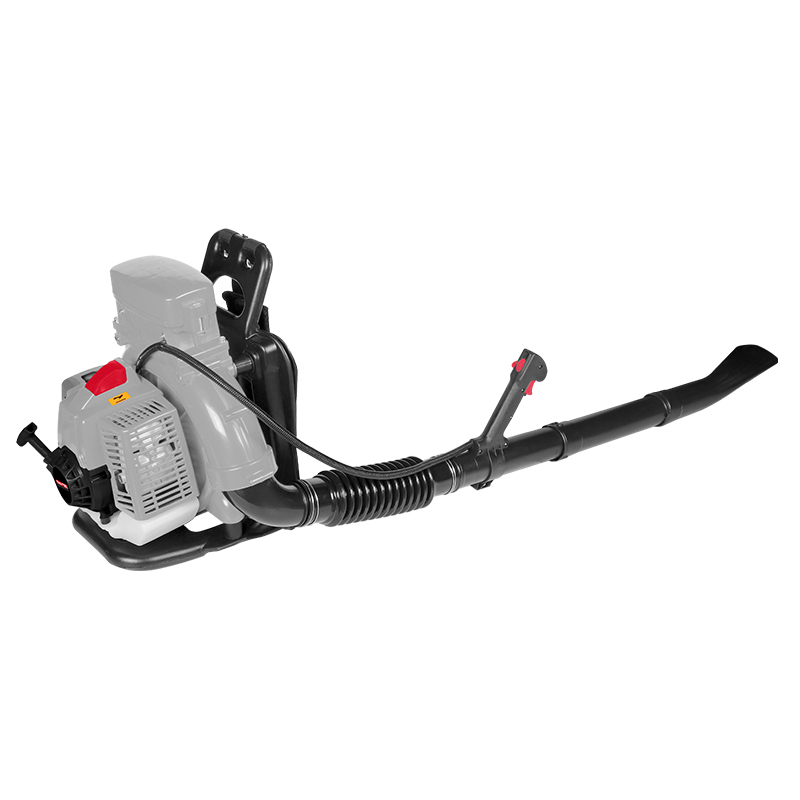 Blower
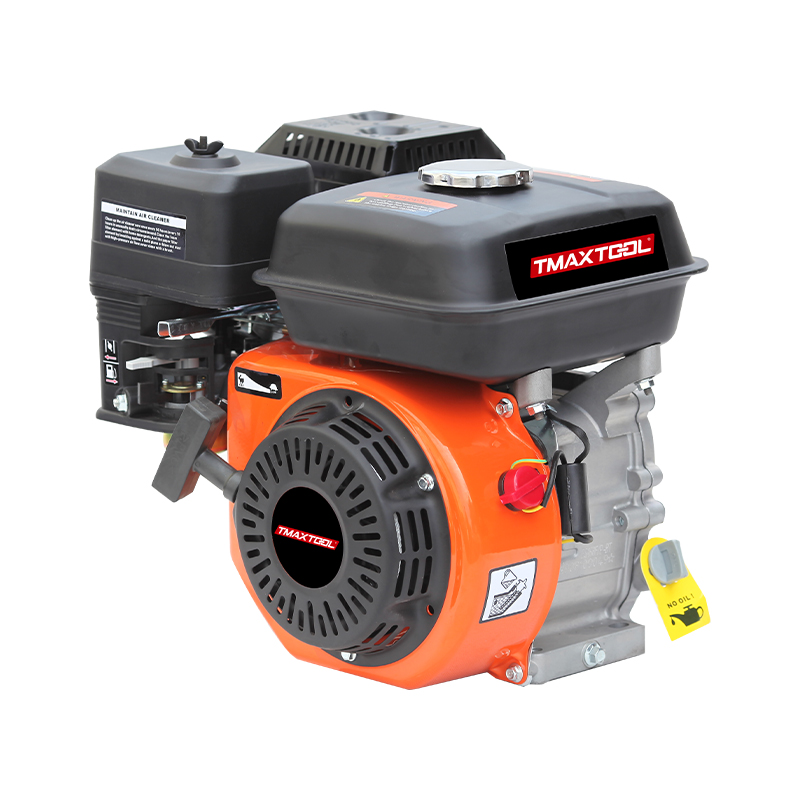 4 Stroke Gasoline Engine
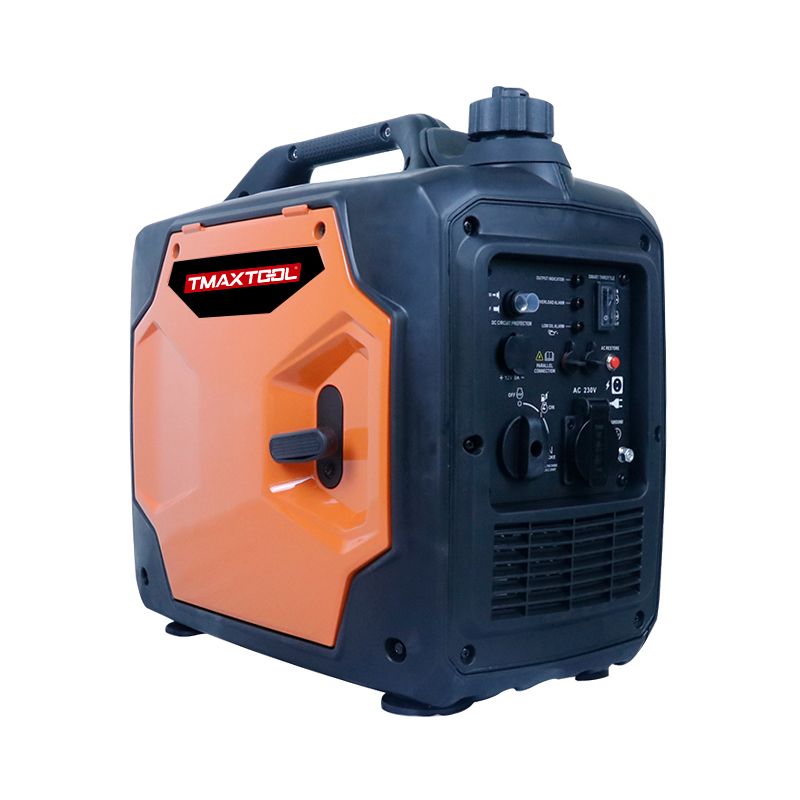 Generator
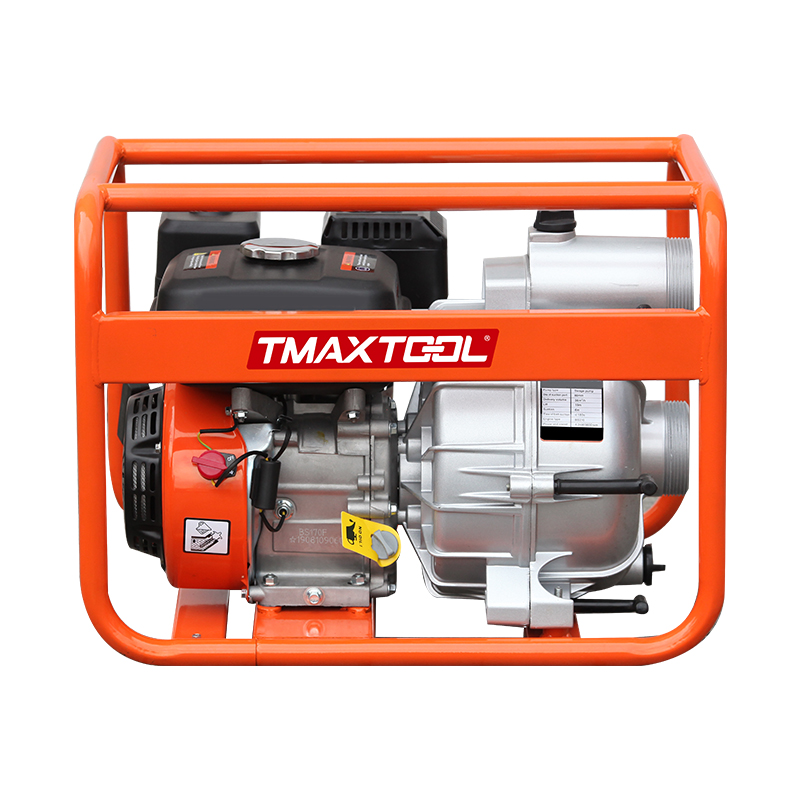 Water Pump
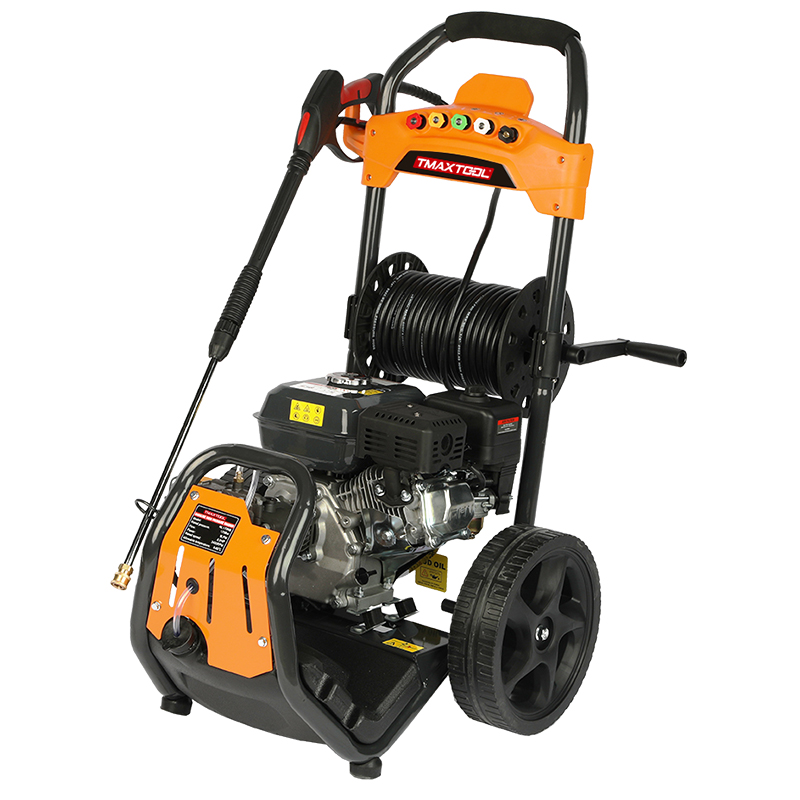 High Pressure Washer
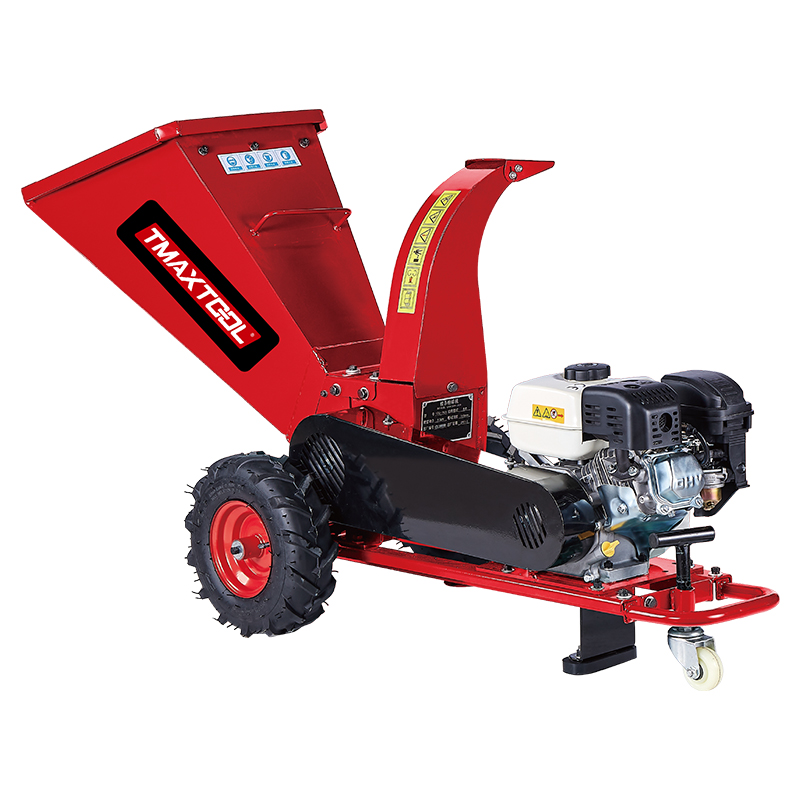 Wood Cutter
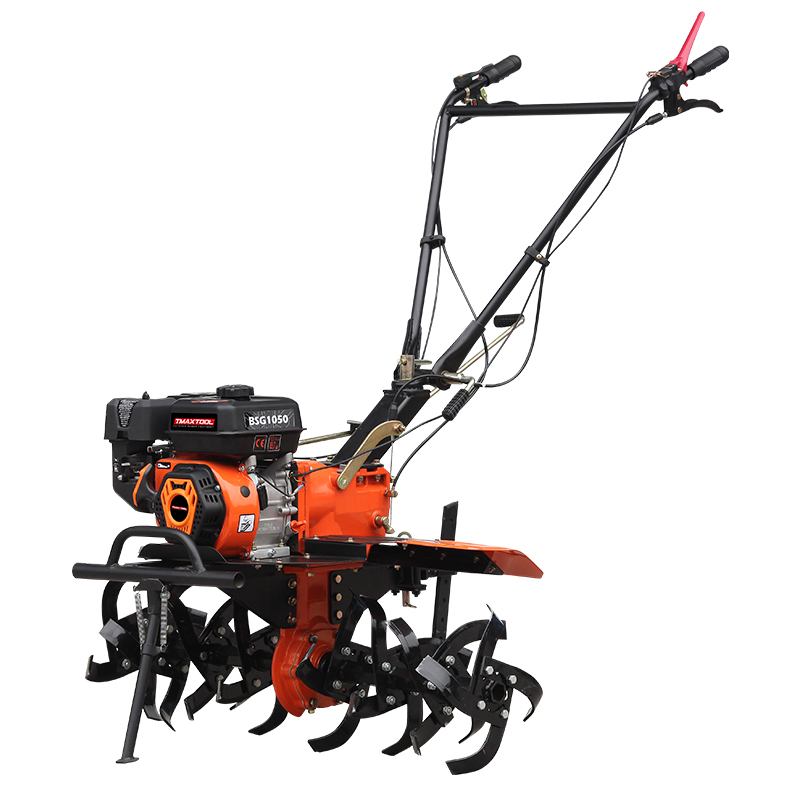 4 Stroke Tiller
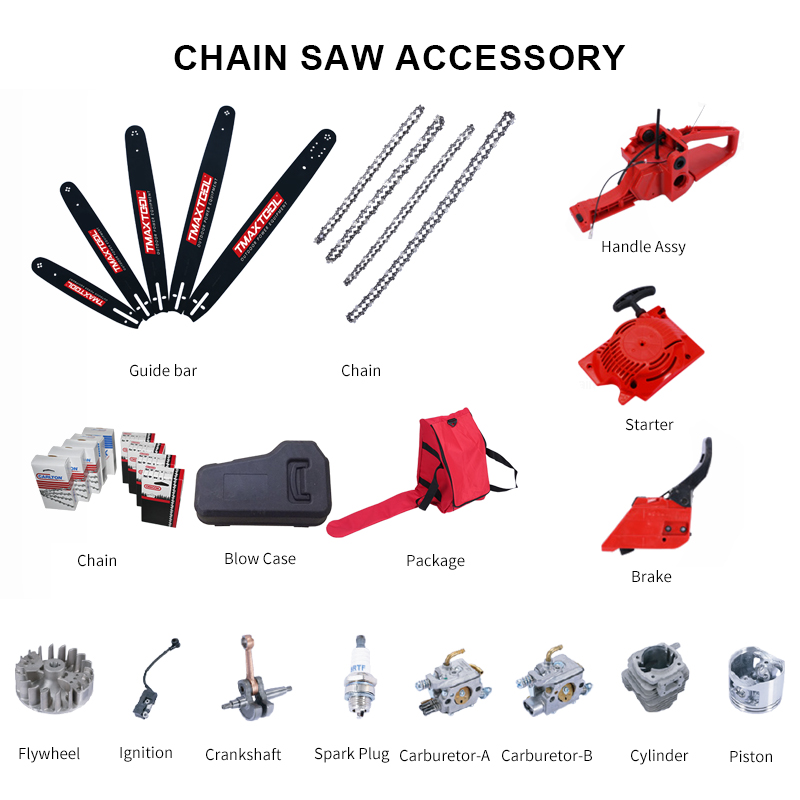 Chain Saw Accessory
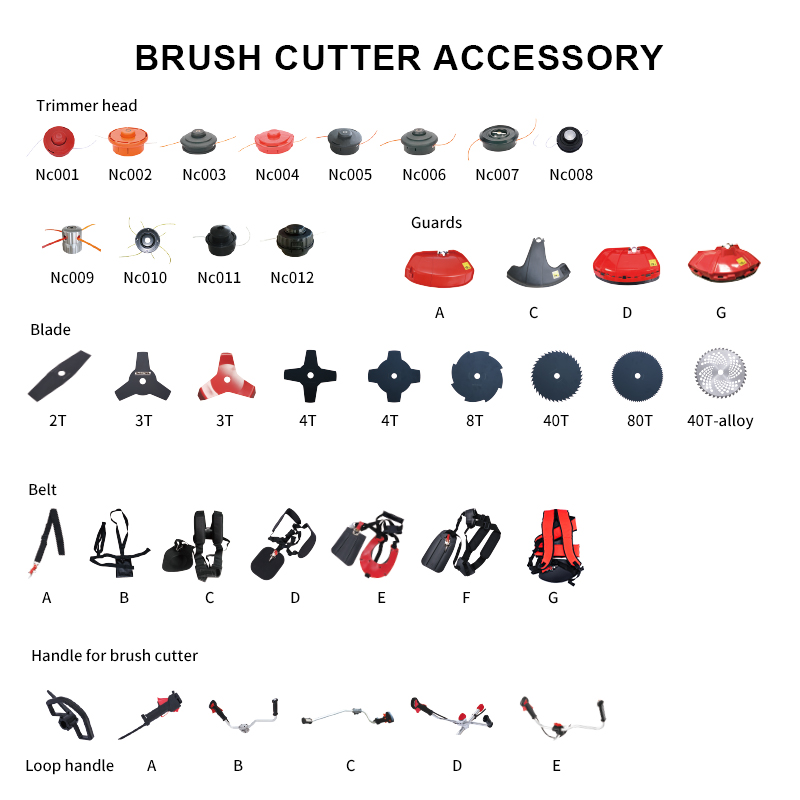 Brush Cutter Accessory
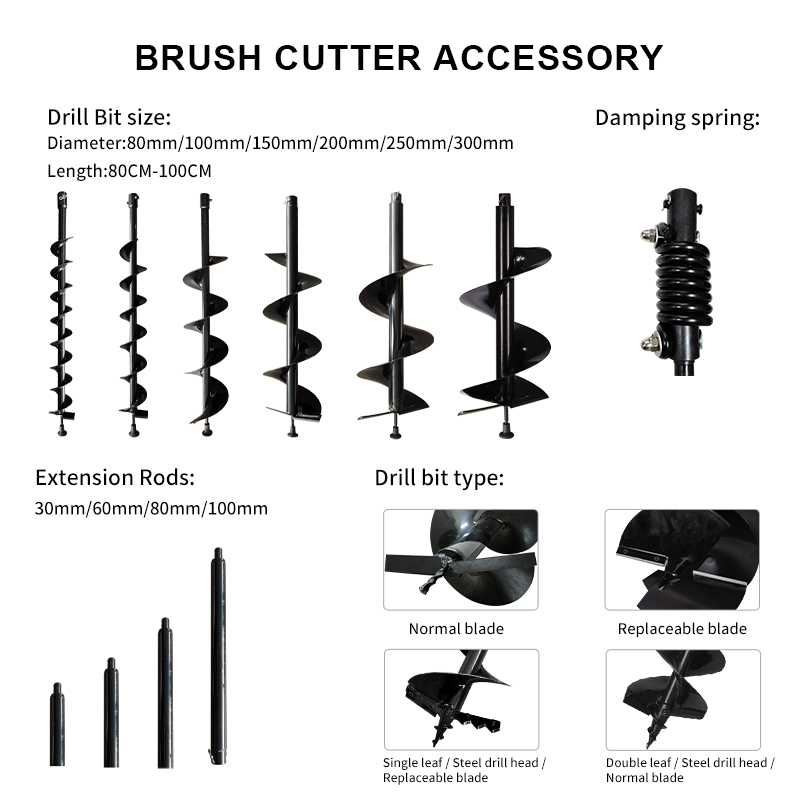 Earth Auger Accessory
 Protective Equipment Accessories
Brush Cutter


2 Stroke 42cc 52cc 62cc 65cc Gasoline Brush Cutter Grass Trimmer
product DETAILS


product description
The difference between the two-stroke and four stroke of a brush cutter
The main differences between two-stroke and four-stroke hay mowers lie in their working principle, performance, price, environmental friendliness, and maintenance requirements.
Working principle and performance: In one working cycle, the two-stroke brush cutter moves the piston up and down for two strokes, completing four processes: intake, compression, combustion, and exhaust. The crankshaft only needs to rotate half a circle. In each working cycle, the piston of a four stroke brush cutter needs to complete four strokes, namely intake, compression, expansion work, and exhaust, corresponding to two rotations of the crankshaft. In theory, a two-stroke engine has a higher power output frequency and a higher power density, while a four stroke engine has a relatively higher energy conversion efficiency for a single stroke of work.
Price and Volume: Four stroke brush cutters are usually structurally complex, expensive, and have a larger volume, while two-stroke brush cutters have a compact structure and are more affordable.
Fuel economy and environmental friendliness: Four stroke brush cutters are known for their smooth operation and fuel efficiency, while two-stroke brush cutters are not as fuel-efficient as four stroke engines, and due to the higher cost of lubricating oil compared to 4-stroke engines, two-stroke engines are also less environmentally friendly.
Maintenance requirements: A two-stroke brush cutter does not require frequent oil changes like a four stroke brush cutter, reducing maintenance hassle. However, the four stroke brush cutter has a more refined management of oil and gasoline, usually requiring separate storage of gasoline and oil, and regular oil changes to maintain normal machine operation.
In summary, the two-stroke brush cutter is suitable for users who do not use it frequently or do not need to use it for a long time. It has a high power density and a compact structure, but poor fuel economy and environmental protection. The four stroke brush cutter is suitable for users who require long-term use or have higher performance requirements, with better fuel economy, stability, and environmental friendliness, but with higher prices and maintenance costs.