
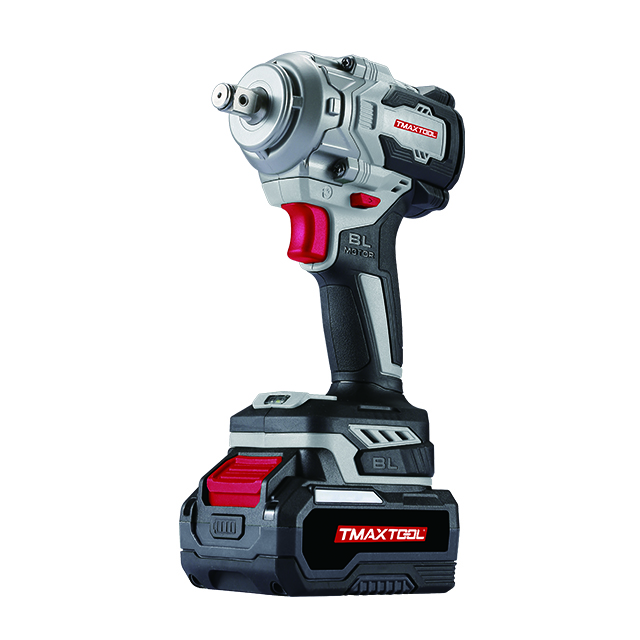
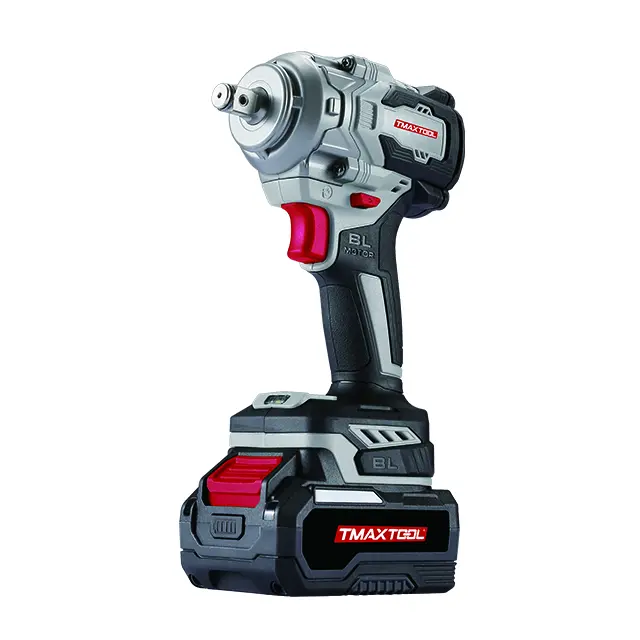
 Impact Wrench
 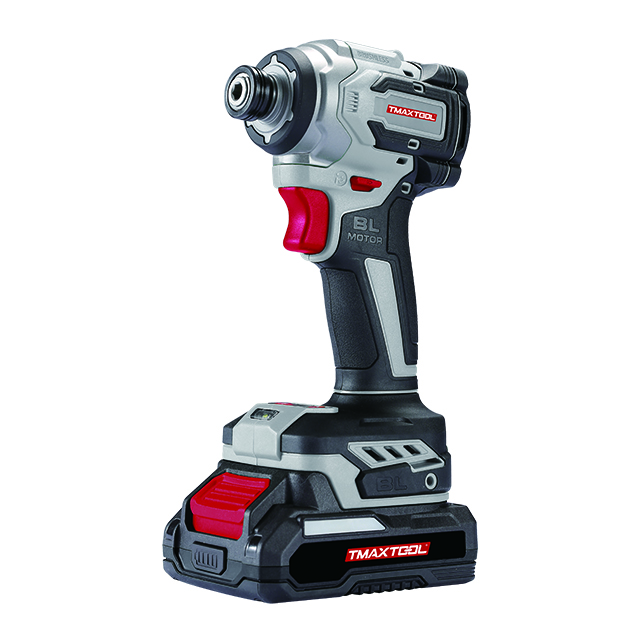 Screwdriver
 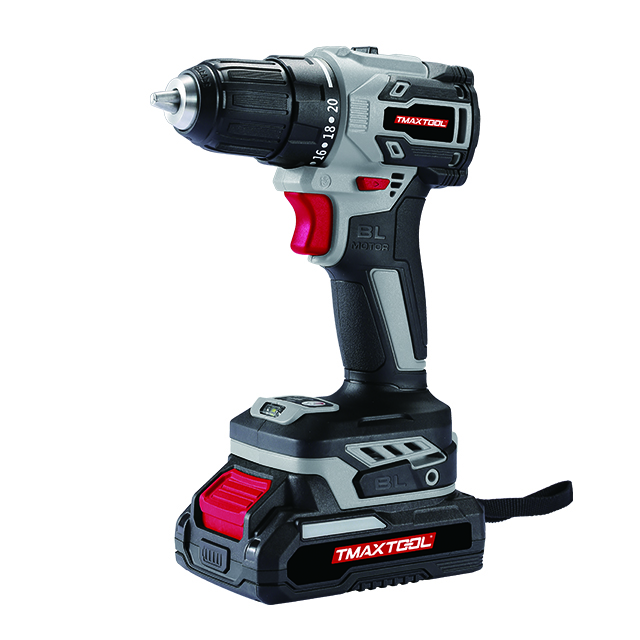 Cordless Drill
 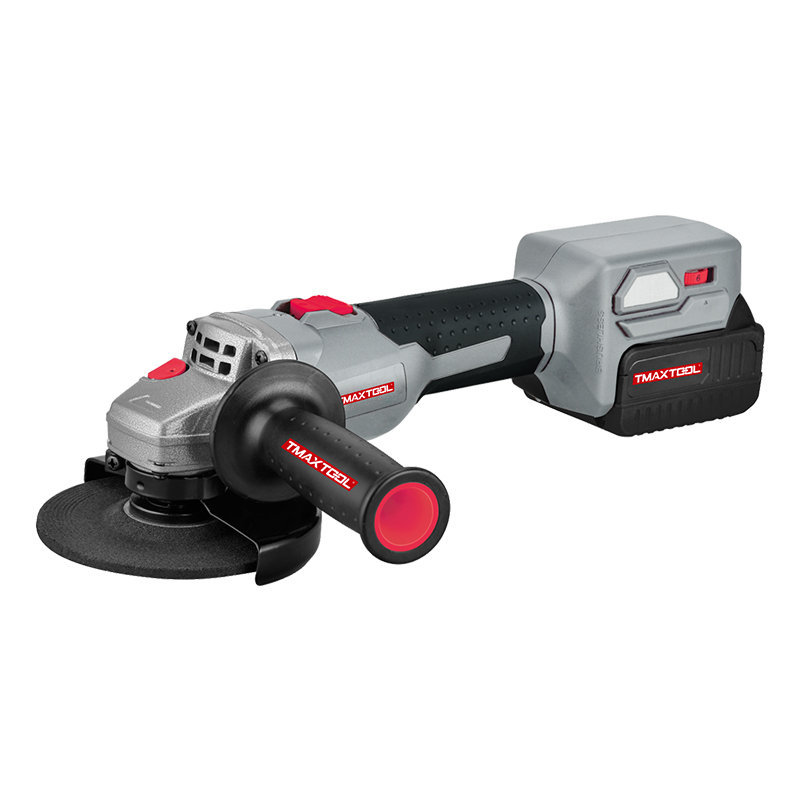 Angle Grinder
 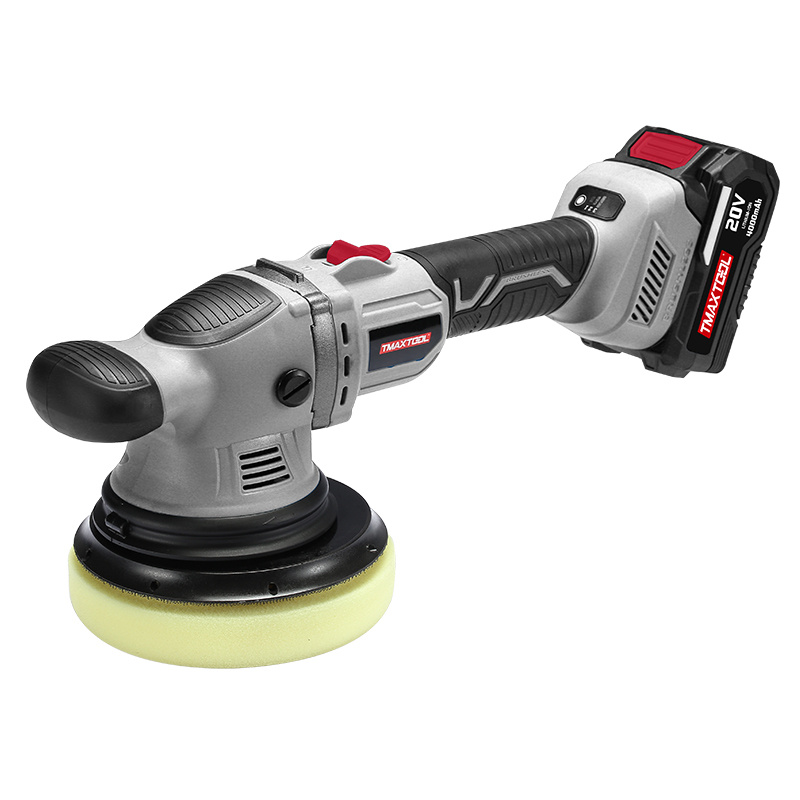 Polisher
 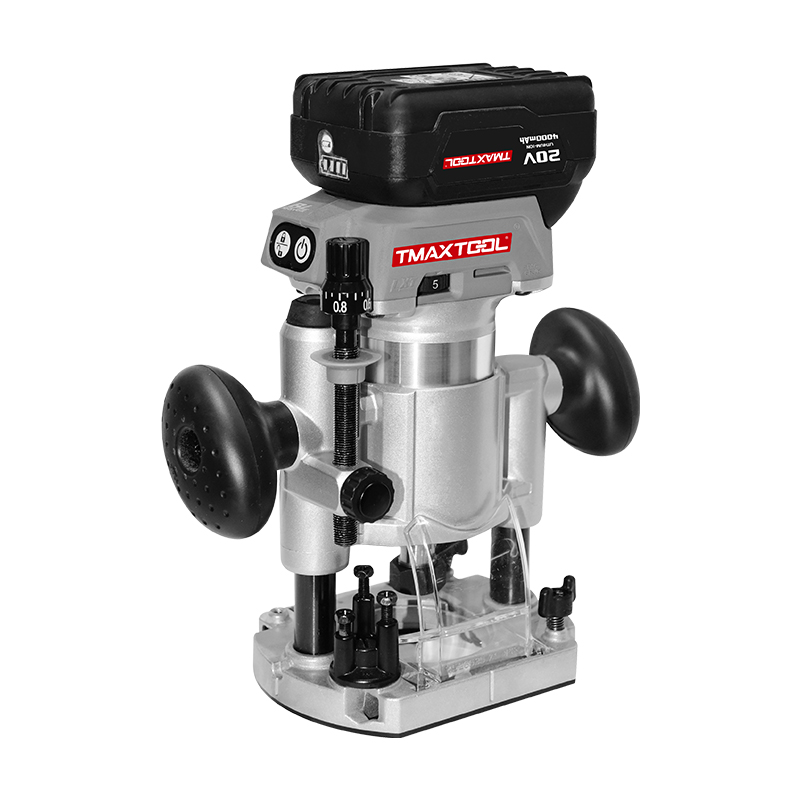 Wood Router
 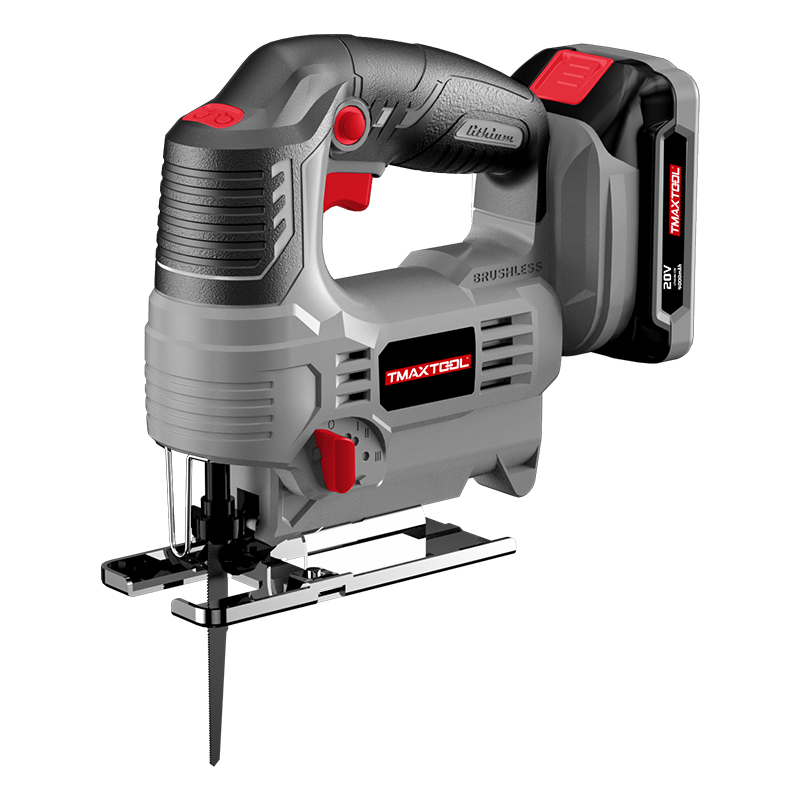 Jig Saw
 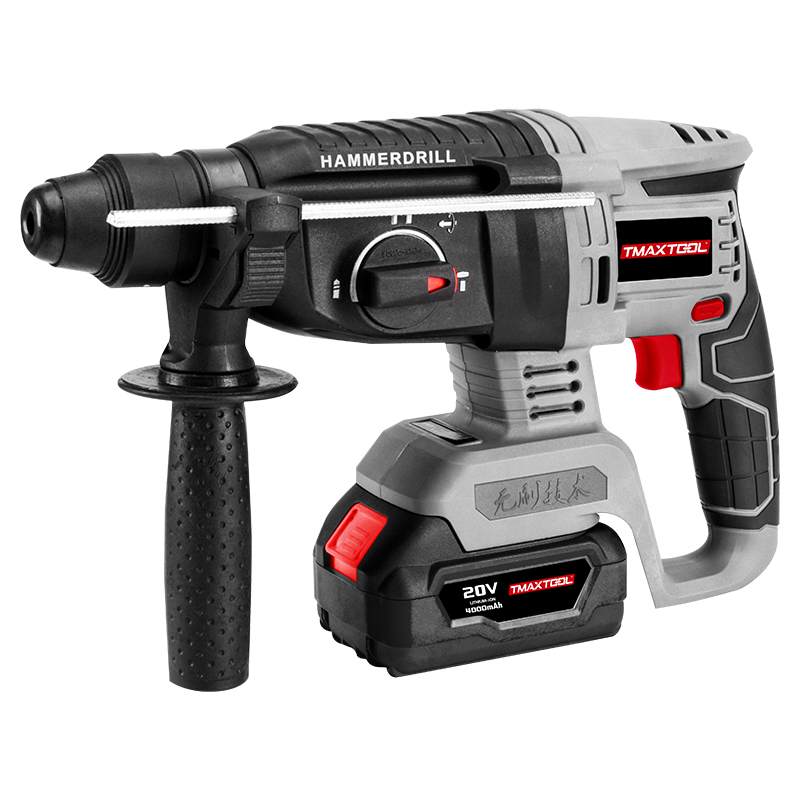 Hammer Drill
 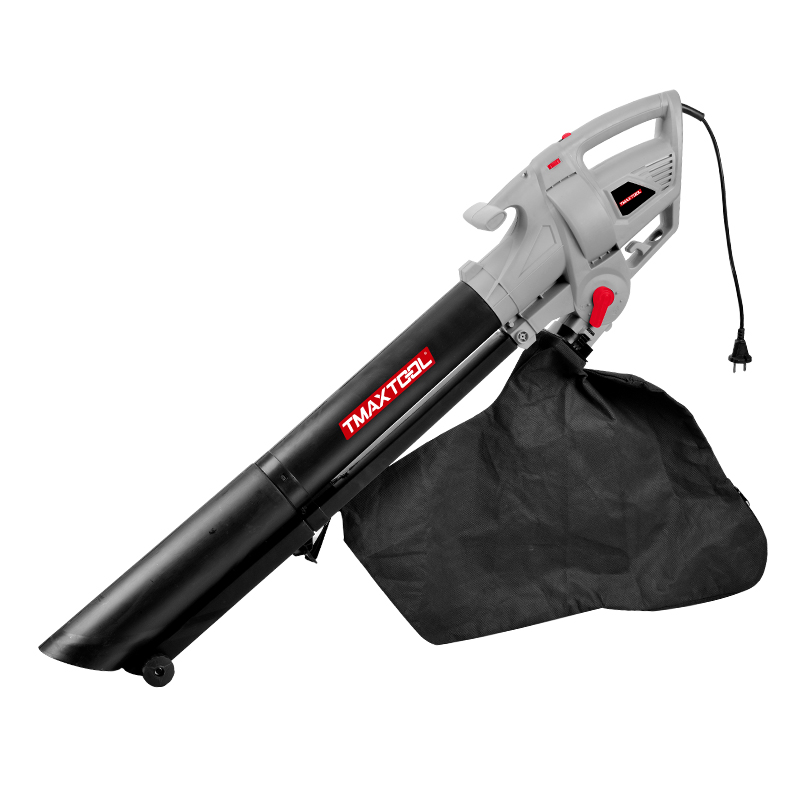 Portable Blower
 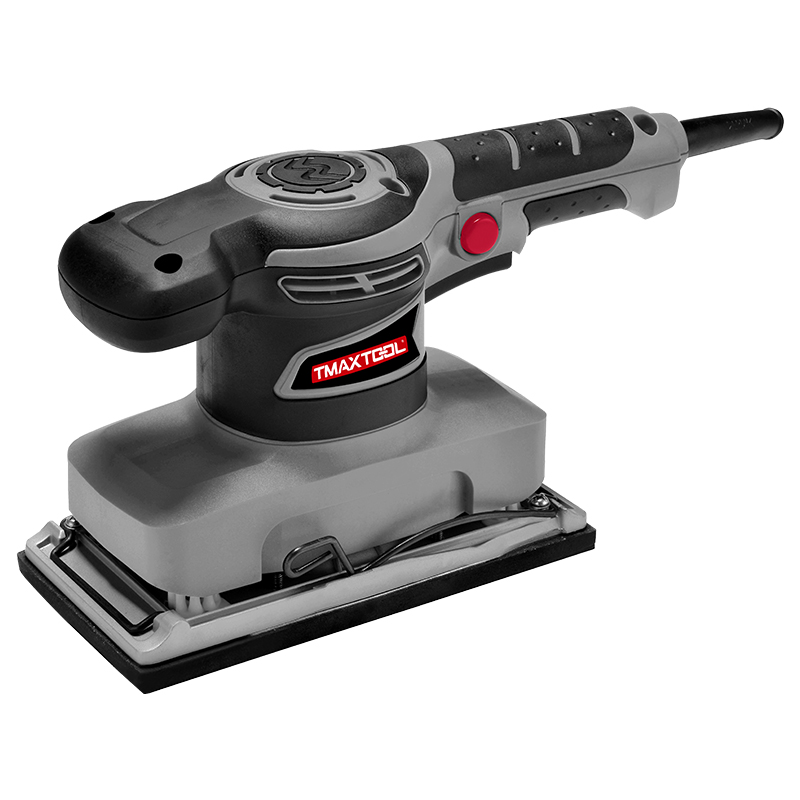 Orbital Sander
 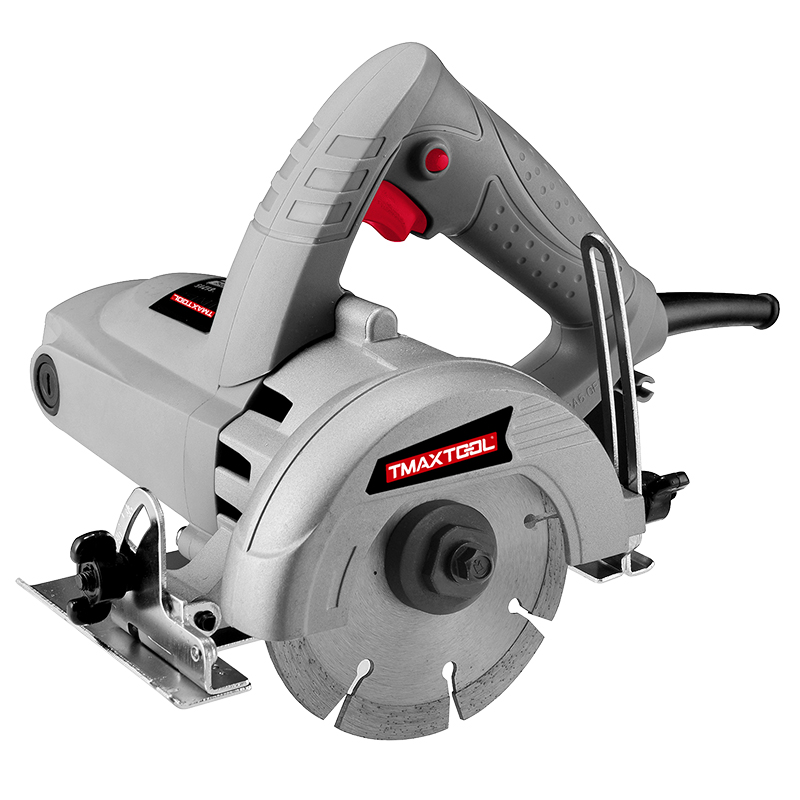 Marble Cutter
  GARDEN TOOLS
 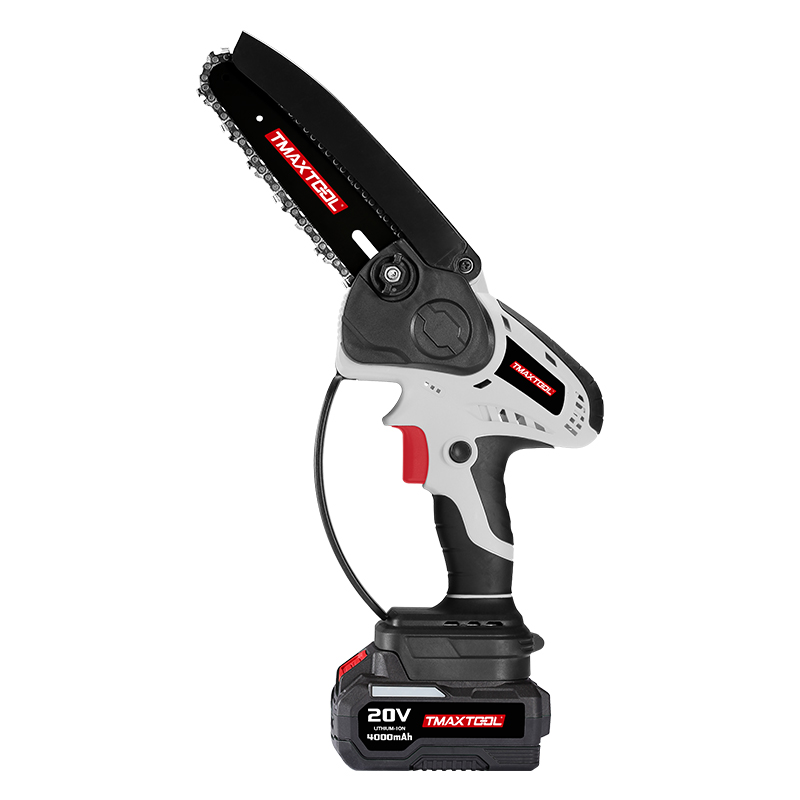 Battery Chain Saw
 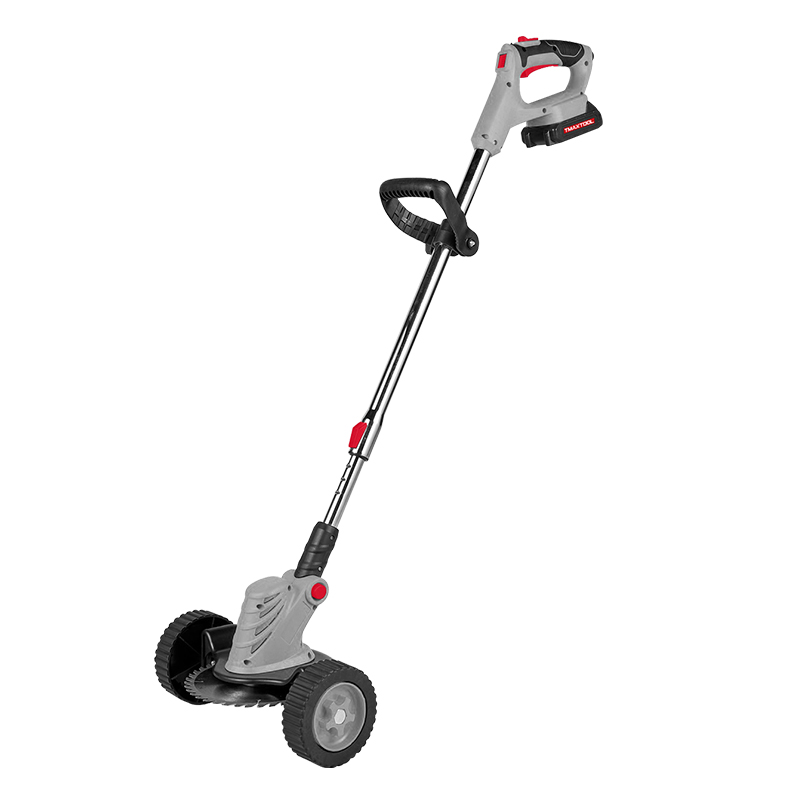 Battery Brush Cutter
 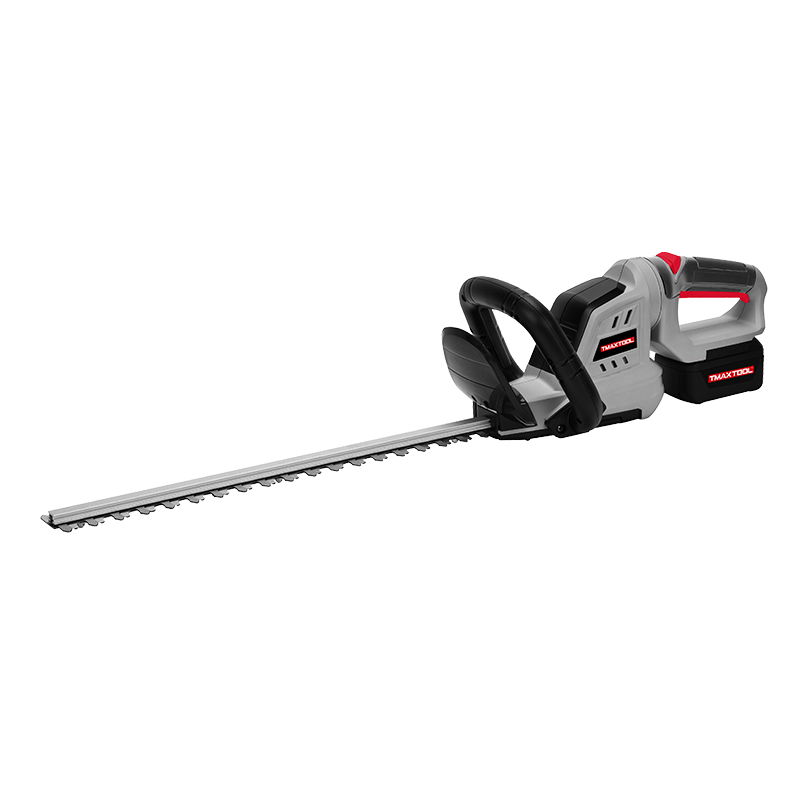 Battery Hedge Trimmer
 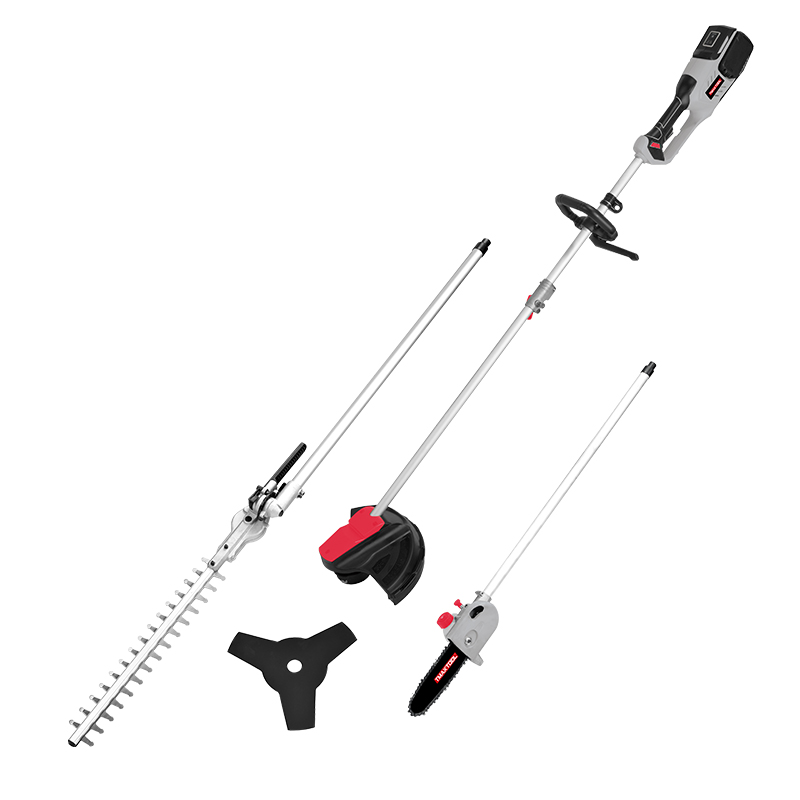 Battery Multi Tool
 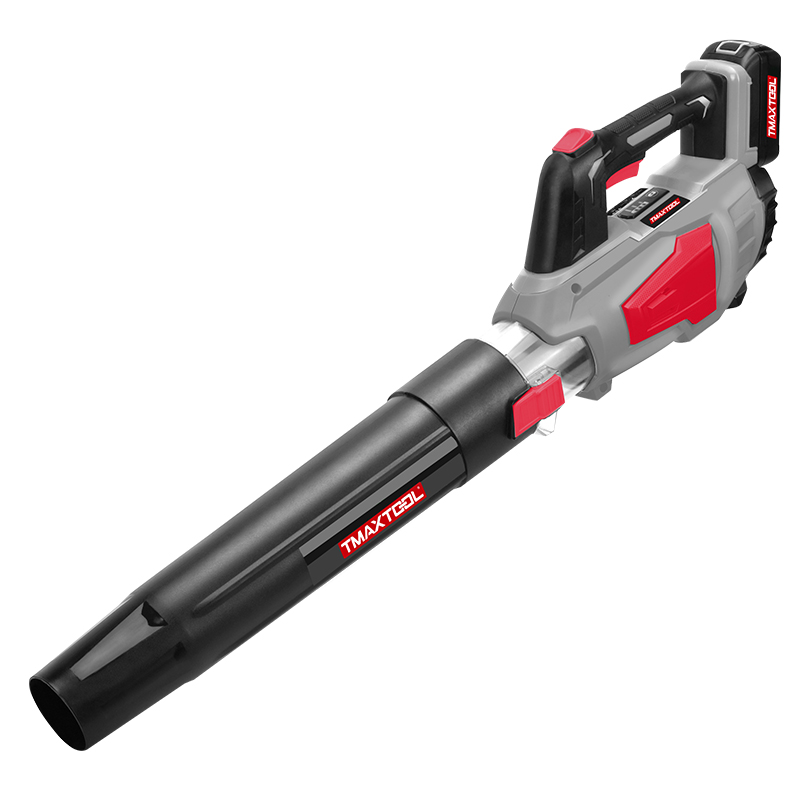 Battery Blower
 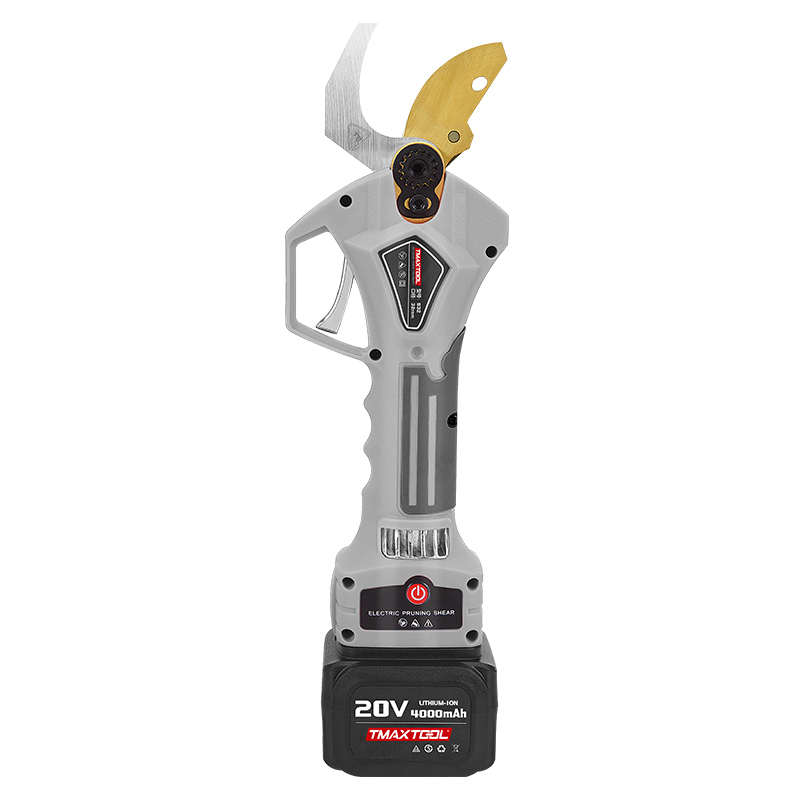 Batter Pruning Shears
 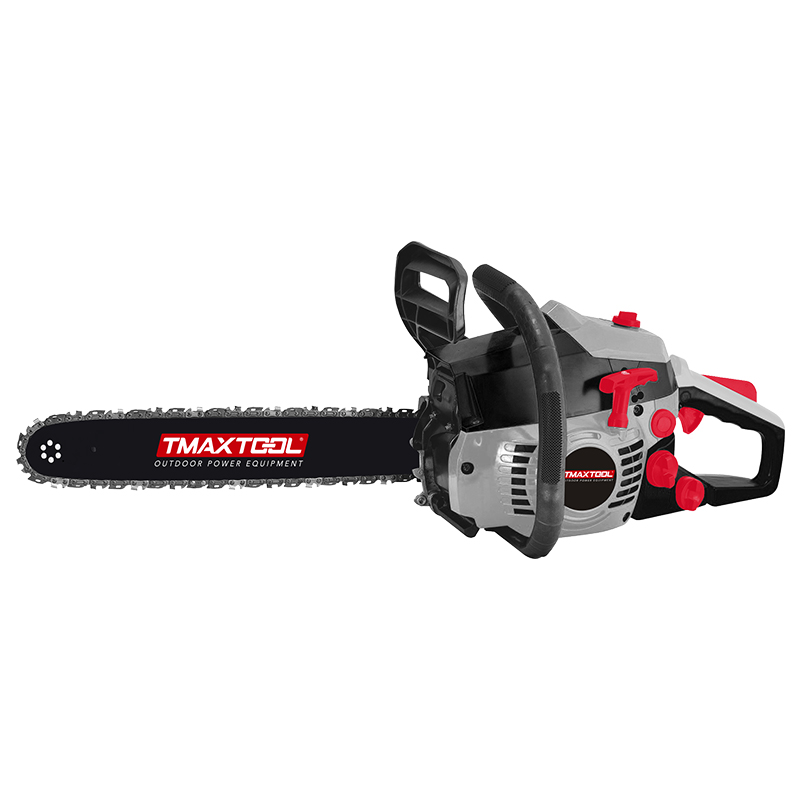 Chain Saw
 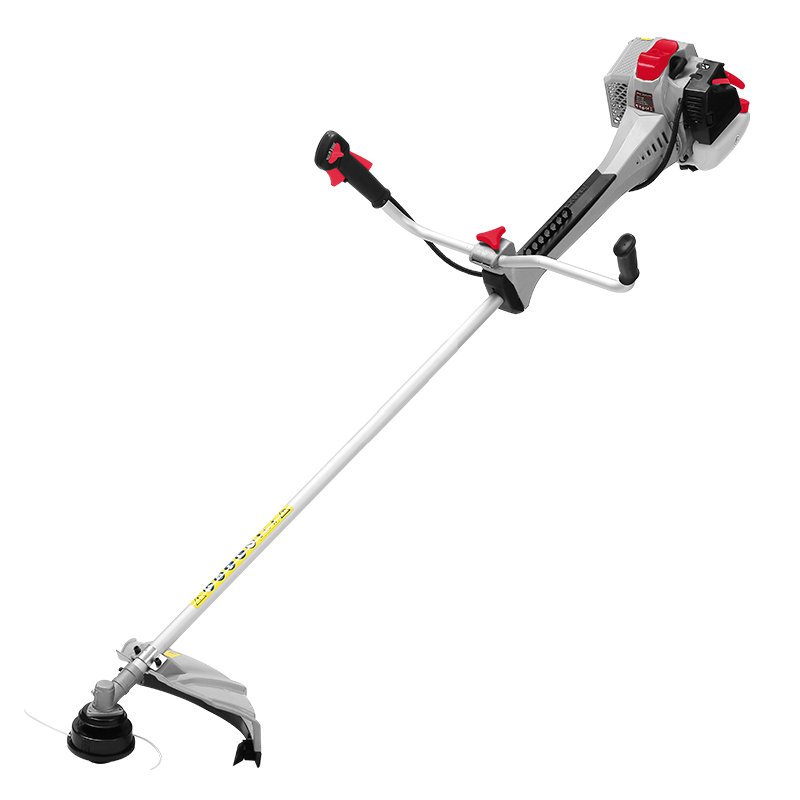 Brush Cutter
 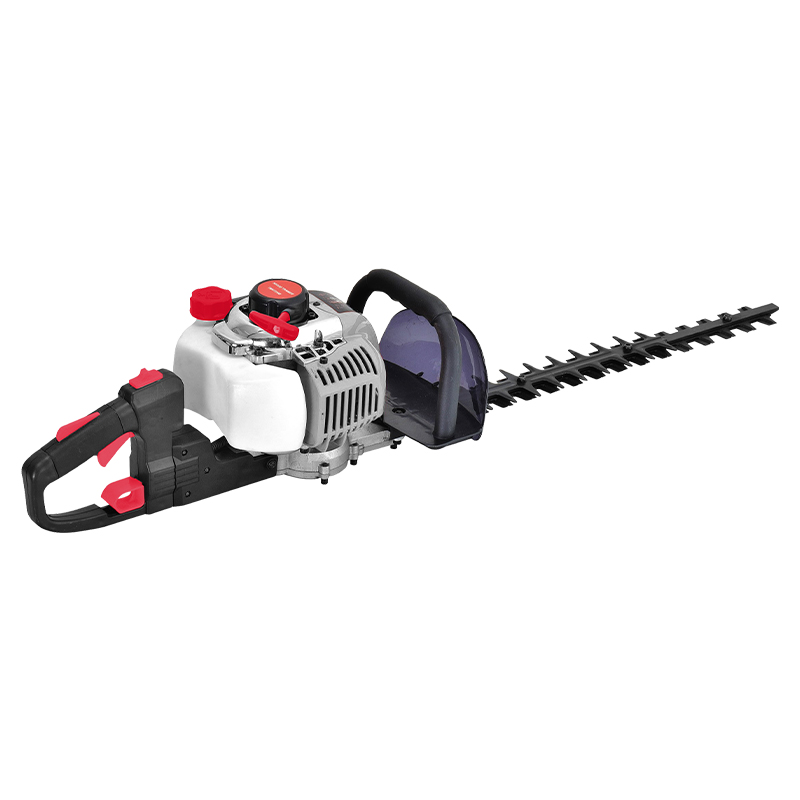 Hedge Trimmer
 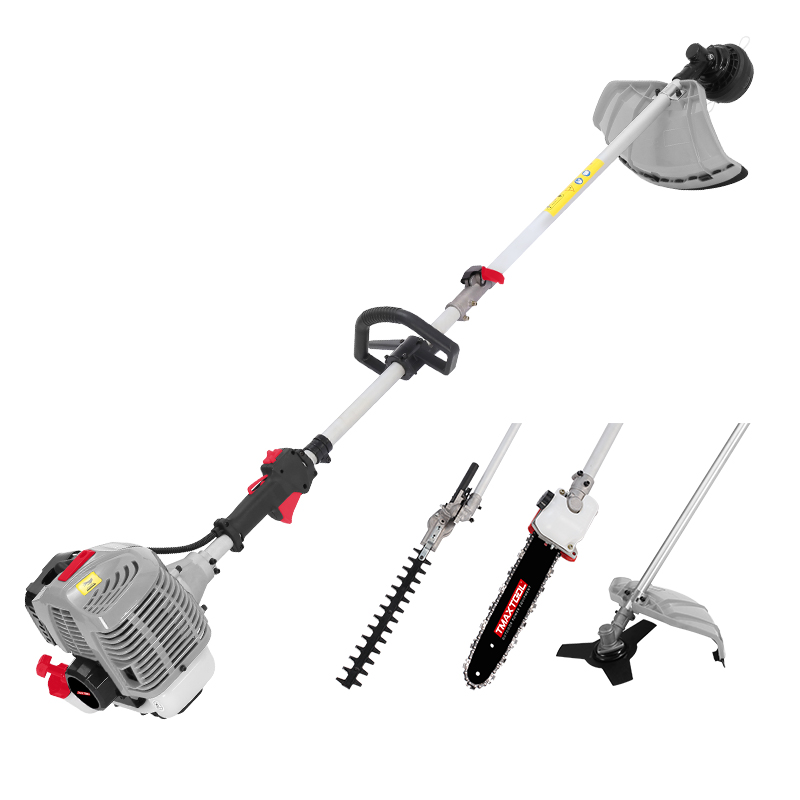 Multi Tool
 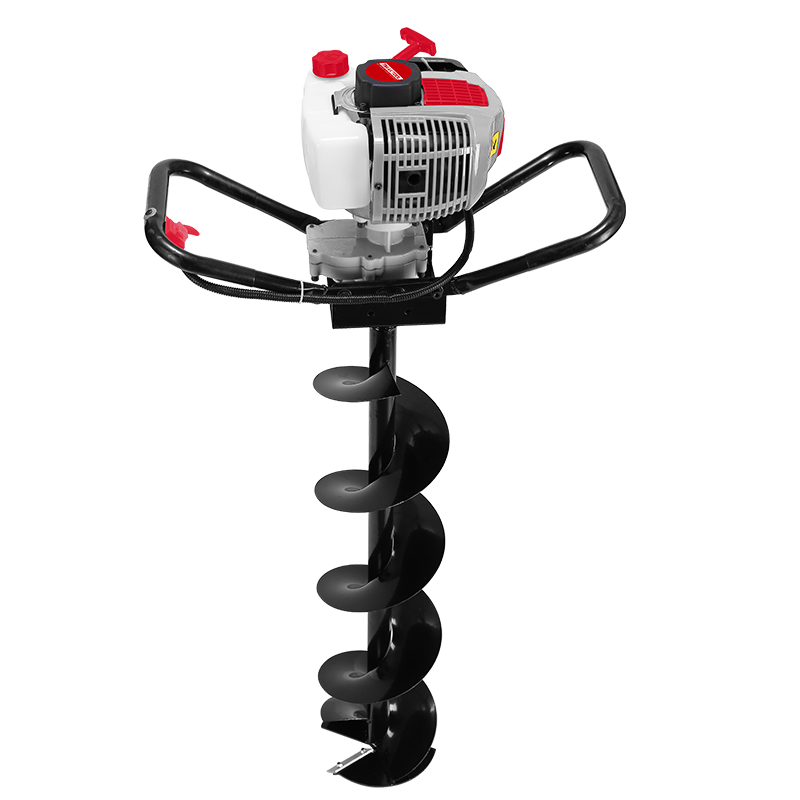 Earth Auger
 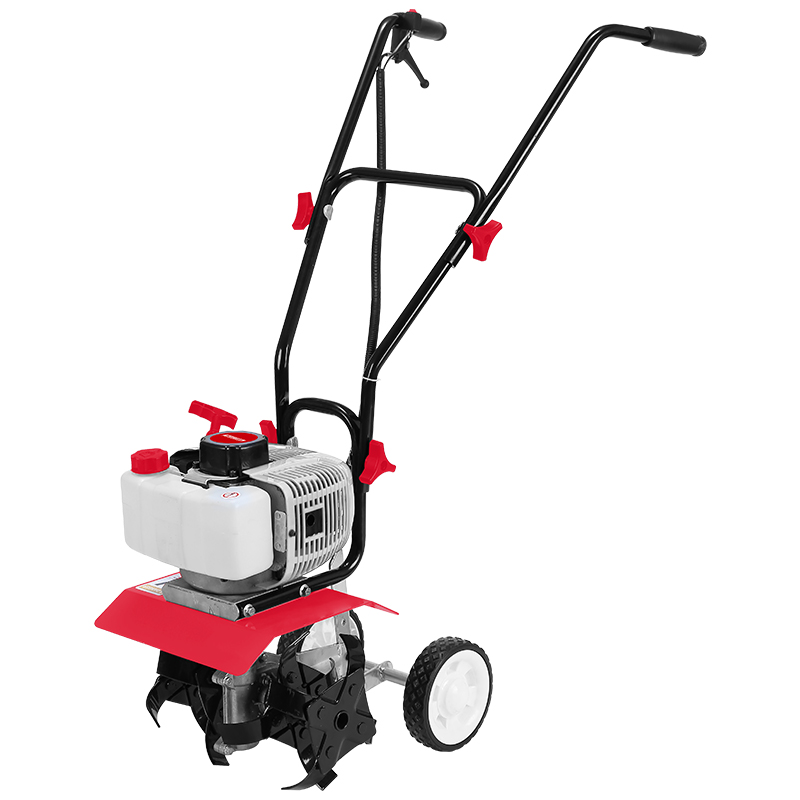 Tiller
 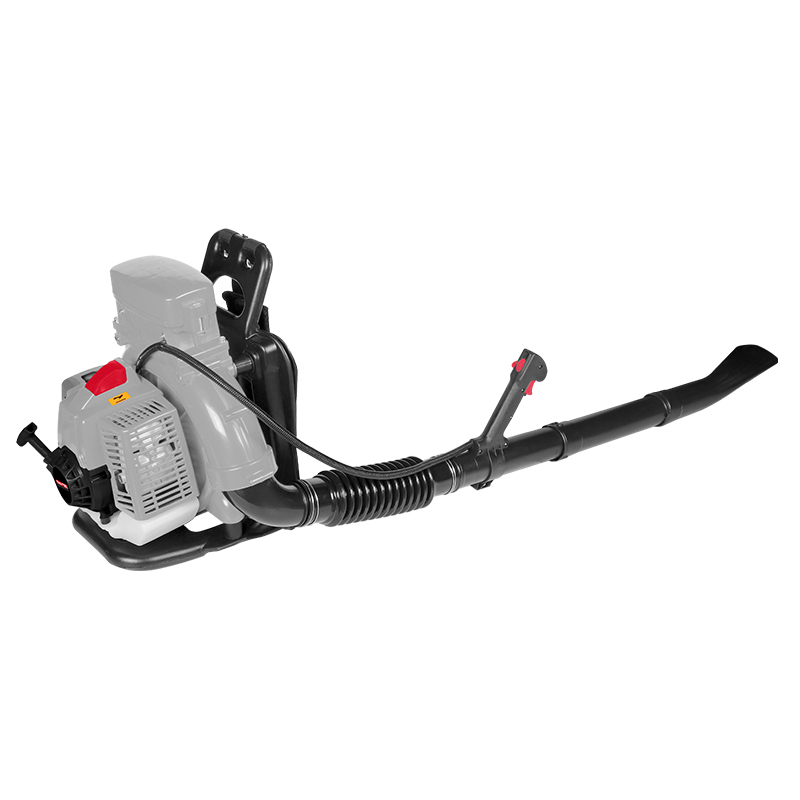 Blower
 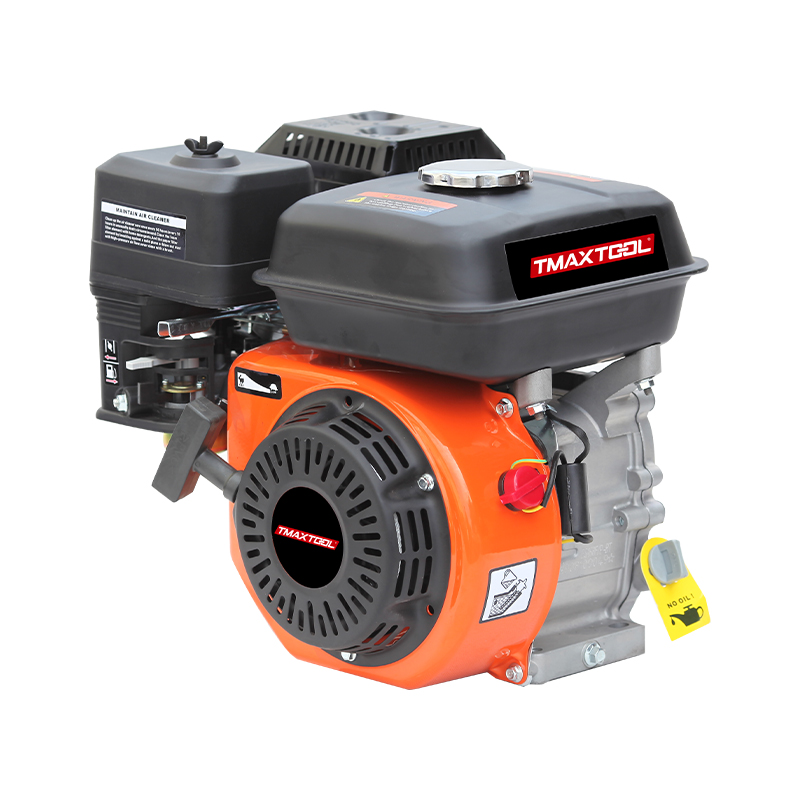 4 Stroke Gasoline Engine
 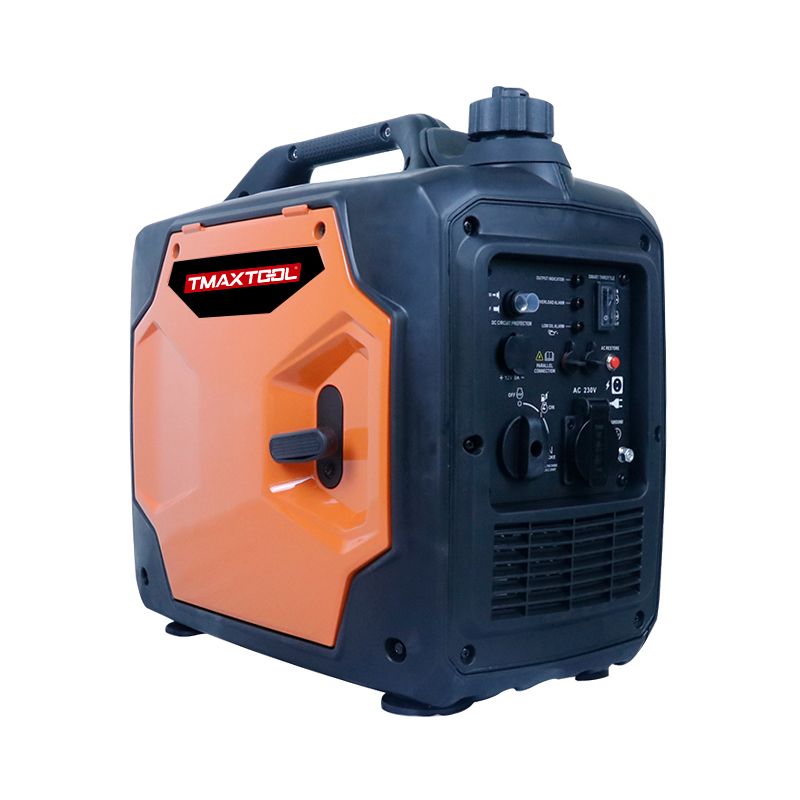 Generator
 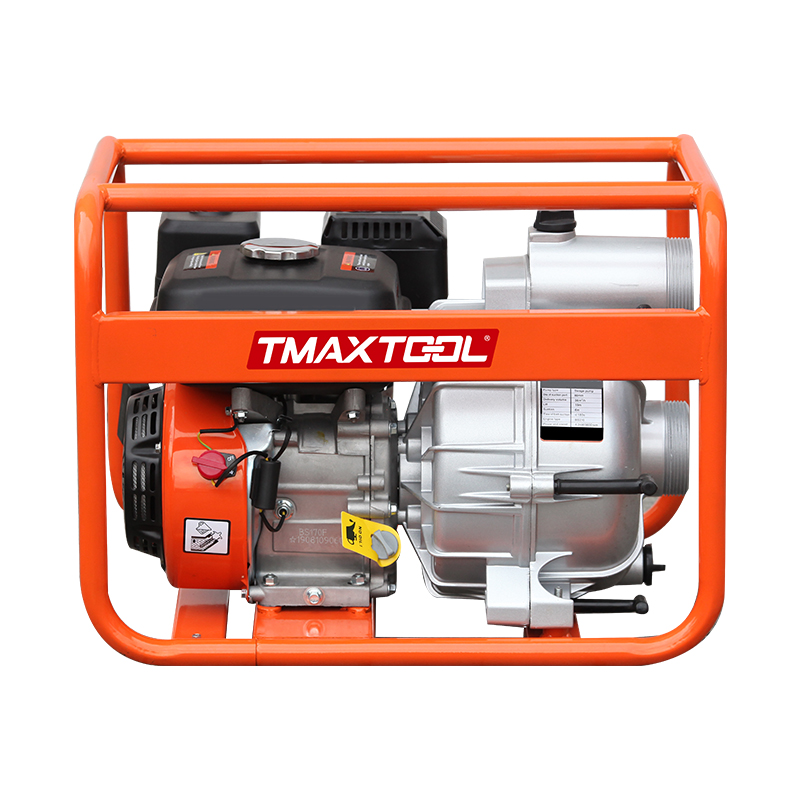 Water Pump
 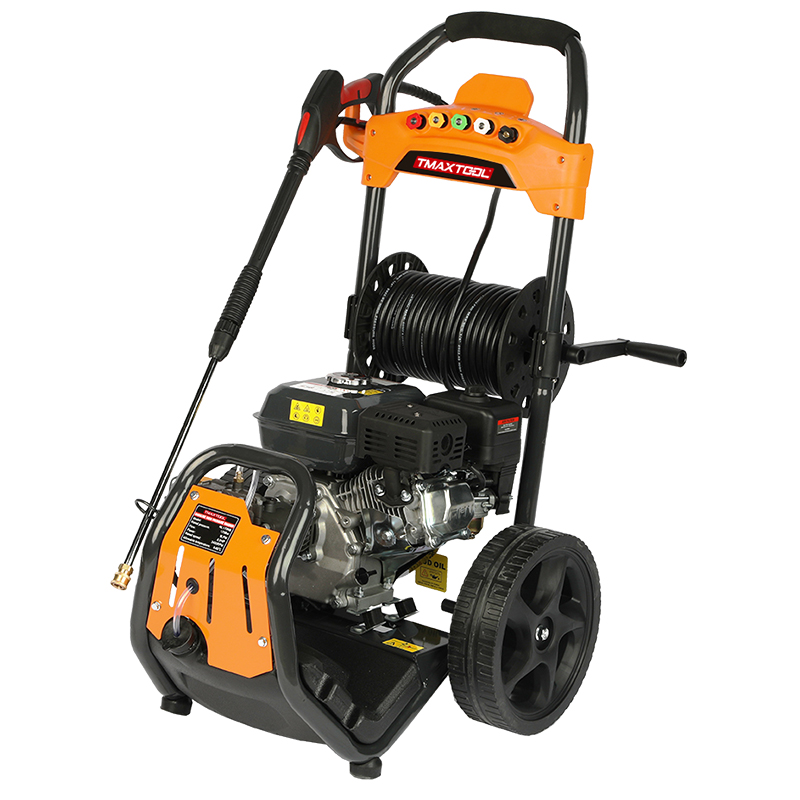 High Pressure Washer
 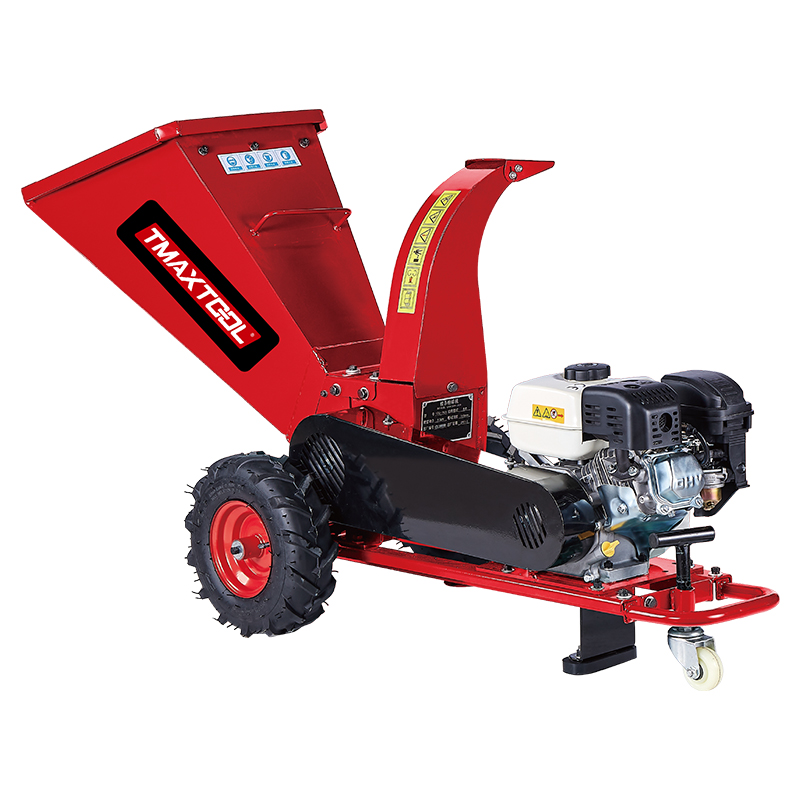 Wood Cutter
 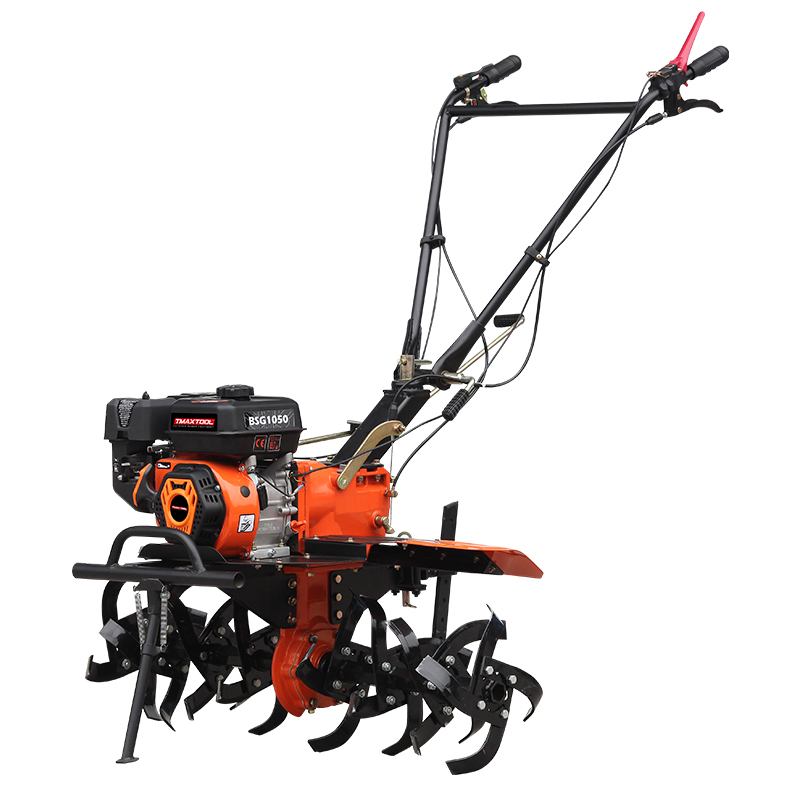 4 Stroke Tiller
 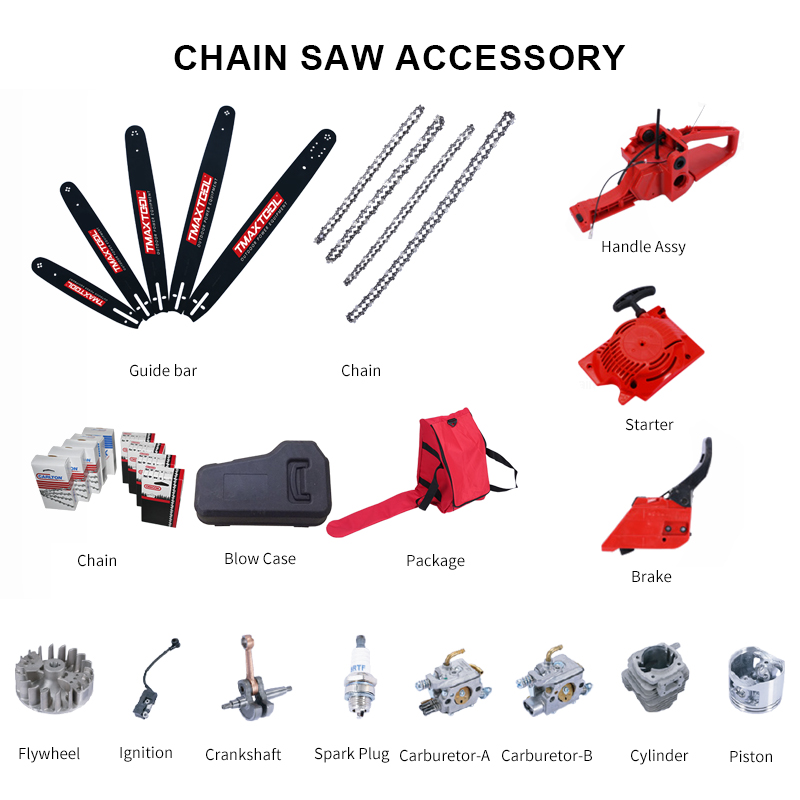 Chain Saw Accessory
 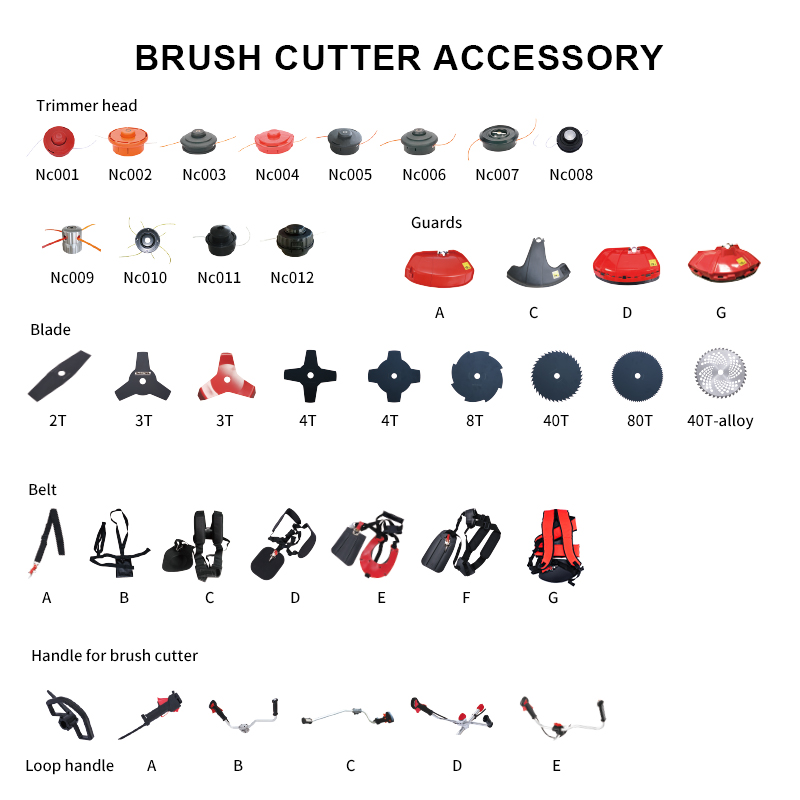 Brush Cutter Accessory
 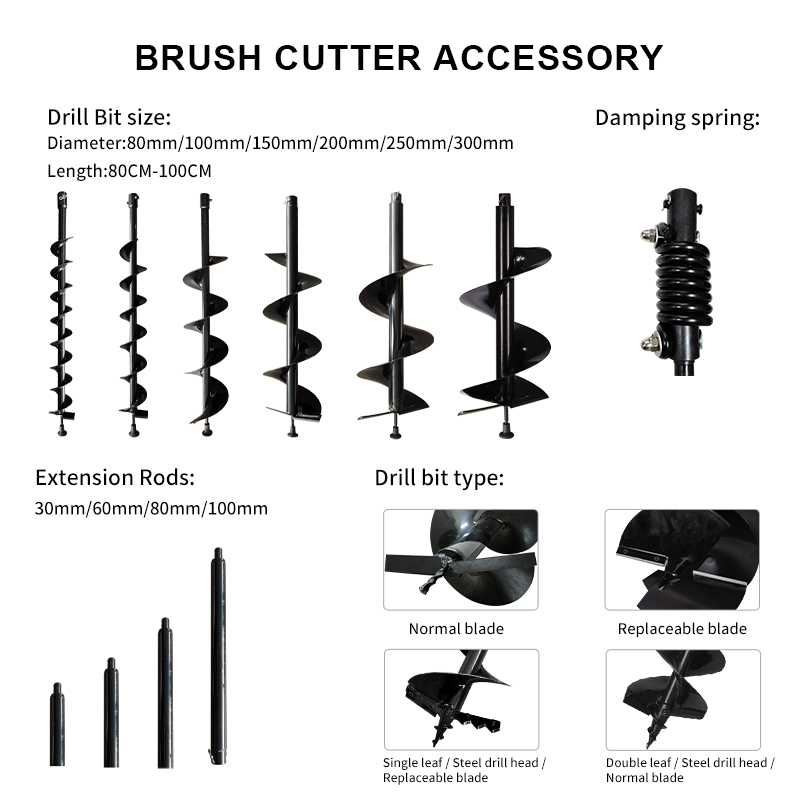 Earth Auger Accessory
 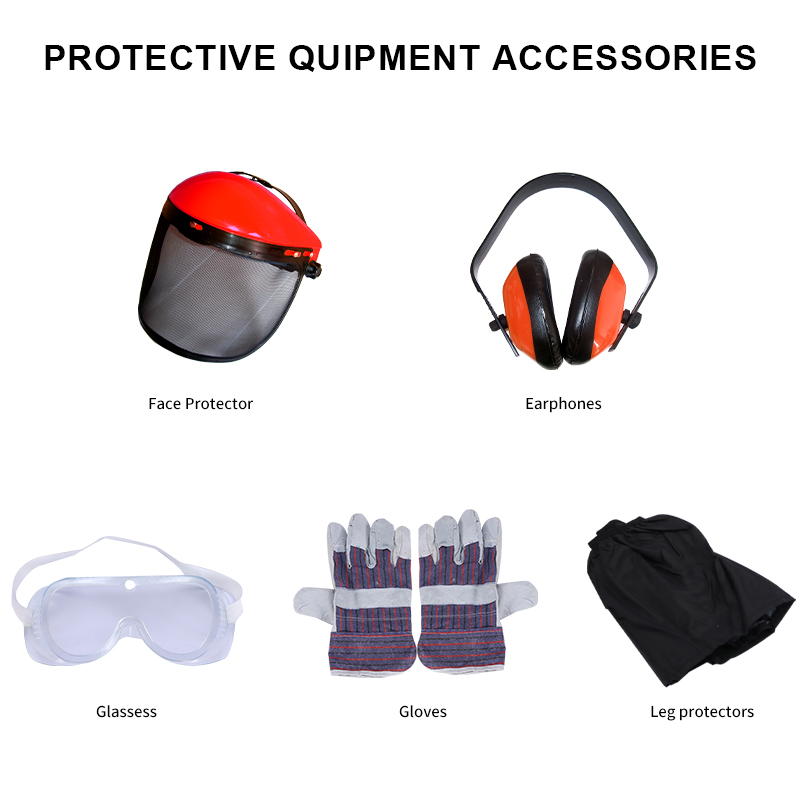 Protective Equipment Accessories
Leave Your Message


Here are some usage scenarios suitable for four-stroke gasoline engine generators
Four-stroke Gasoline Engine generators, with their advantages of stable power, long range, and flexible application scenarios, widely cover demands such as "emergency power supply", "outdoor operations", and "energy replenishment in special scenarios". The following are the core and frequently used scenario classifications and detailed explanations to help accurately match actual needs:
First, emergency power supply scenarios: Responding to sudden power outages and ensuring basic needs
The core demand for such scenarios is "rapid charging and maintaining the operation of key equipment". The low noise (compared to the two-stroke) and long battery life (no need to frequently add mixed oil) of four-stroke models are more suitable for long-term emergency situations.
Emergency scenarios for sudden power outages in households: Power outages in residential areas caused by extreme weather conditions such as heavy rain, heavy snow, and typhoons, or power outages due to maintenance of old power lines (usually lasting for several hours to 1-2 days).
Core uses: Power refrigerators (to prevent food from spoiling), lighting equipment (flashlight/emergency light power supply), small household appliances (rice cookers, electric kettles to solve basic dietary problems), routers (to maintain network communication), especially suitable for families with the elderly and children.
Emergency energy replenishment scenarios for commercial premises: Power outages in supermarkets, convenience stores, and small pharmacies (it is necessary to ensure the operation of cold storage cabinets and refrigerators to prevent fresh produce/medicines from deteriorating). A small restaurant experienced a power outage (temporary power supply was provided to maintain the cash register system and basic lighting to reduce business closure losses).
Advantages: Four-stroke engines have a wide power coverage (1-10kW is common), which can meet the power demands of commercial scenarios of different scales. Moreover, they generate less vibration during operation, making them suitable for close-range placement both indoors and outdoors.
Emergency backup in medical scenarios is applicable in rural clinics, small health centers (areas with unstable power grids), or "redundant backup power supply" in large hospitals (to prevent medical equipment such as infusion pumps and small monitors from stopping due to sudden power outages).
Note: Models with "voltage stabilization function" should be selected to ensure stable power supply voltage and avoid damaging precision medical equipment.
Second, outdoor operations/engineering scenarios: "Mobile Power sources" in environments without power grids
Outdoor operations (especially infrastructure construction, decoration, and agricultural and forestry operations) often encounter the problem of "no fixed power grid". The portability (some models are wheeled) and durability (adaptability to complex environments) of four-stroke generators have become their core advantages.
Applicable scenarios for power supply at infrastructure/decoration sites: Decoration of self-built houses in rural areas (when water and electricity are not connected, it supplies power to electric tools such as electric drills, cutters, and grinders). Road maintenance and municipal construction (power supply for small Water Pumps, lighting equipment and temporary warning lights).
Typical requirement: Choose the "2-5kW" model, which can simultaneously drive 1-2 medium and small-sized power tools and meet the continuous operation for 4-6 hours (the fuel tank capacity is usually 5-10L, and the fuel consumption is about 1-2L/h).
The applicable scenarios for power supply in agricultural and forestry operations: irrigation systems in orchards/forest farms (supplying power to water pumps to solve the problem of no water source or no power grid in remote areas). Nursery seedling cultivation (supplying power to small temperature control equipment and sprayers to ensure the growth environment of seedlings).
Advantages: Four-stroke engines are dust-resistant and can withstand slight vibrations. They can be used on uneven ground such as in fields and mountains. Moreover, unlike two-stroke engines, they do not require the mixing of gasoline and engine oil, making operation simpler.
Power supply scenarios for communication/security equipment: Base stations in remote areas (providing power to base station signal equipment during temporary repairs or power grid failures); Outdoor security monitoring (power supply for cameras and infrared alarms in construction sites and orchards without power grid coverage).
Key requirements: Choose models with "low fuel consumption and long range". Some can be equipped with solar panels to achieve "complementary power supply", reducing the trouble of frequent refueling.

Third, outdoor living/leisure scenarios: Enhance experience and solve the problem of "electricity freedom"
With the popularization of camping, RV travel and outdoor events, four-stroke generators have become a supplement to "lightweight outdoor power sources", especially suitable for outdoor scenarios with multiple people and long durations.
Rv/campsite power supply applicable scenarios: Long-distance RV travel (when parked at a campsite without charging stations, it supplies power to the on-board refrigerator, air conditioner, and induction cooker to enhance living comfort). Family/group camping (charging and powering tent lights, barbecue grills (electric heating type), projectors, mobile phones/cameras).
Selection tips: Prioritize the "silent model" (noise ≤60 decibels) to avoid disturbing others. A power of 1-3kW is sufficient. It is compact in size (weighing 20-30kg) and easy to move.
Outdoor event/activity support applicable scenarios: Supply stations for marathons and cross-country races (supplying power to insulated boxes, water dispensers, and emergency lighting); Outdoor music festivals and markets (powering small audio equipment, LED decorative lights and payment collection devices).
Core requirement: Multiple units are "used in parallel" (parallel function support is required) to meet the centralized power consumption demand. Choose the "easy-to-start" model (with both hand-pull and electric start modes) to cope with the low-temperature outdoor environment.
Applicable scenarios for remote area living supplies: households in mountainous and pastoral areas (where the power grid is not covered or the voltage is unstable, serving as a daily power supply supplement for washing machines, small TVS, and lighting). Outdoor exploration teams and scientific research teams (providing power for testing equipment, laptops and satellite phones).
Advantages: The four-stroke engine has a low failure rate and is easy to maintain (regular oil changes and air filter cleaning are sufficient). It can adapt to harsh environments such as low temperatures and high altitudes (some models have a "high-altitude adapter" to avoid power attenuation).
Fourth, special industry/professional scenarios: Match specific demands to ensure operational efficiency
Some industries have "professional requirements" for power supply. Four-stroke generators, due to their "customizability" and "strong stability", have become essential equipment in specific scenarios.
Applicable scenarios for film and television/advertising shooting sites: When shooting outdoors, it supplies power to lighting equipment (spotlights, fill lights), small photography equipment (monitors, gimbal stabilizers), and is especially suitable for remote scenic spots, deserts, forests and other areas without power grids.
Key requirements: Silent operation (to avoid interference with sound collection), stable voltage (to prevent voltage fluctuations from damaging the photography equipment). Some models can be equipped with "mobile power supply vehicles" to achieve flexible mobile power supply.
Fire/rescue scene applicable scenarios: Earthquake, flood and other disaster sites (power supply for emergency lighting, demolition tools (electric version), life detectors); Forest fire fighting (supplying power to water pumps and communication equipment to support fire-fighting operations).
Advantages: Good impact resistance and waterproof performance (some models have IPX3 waterproof rating), and can withstand complex disasters
