
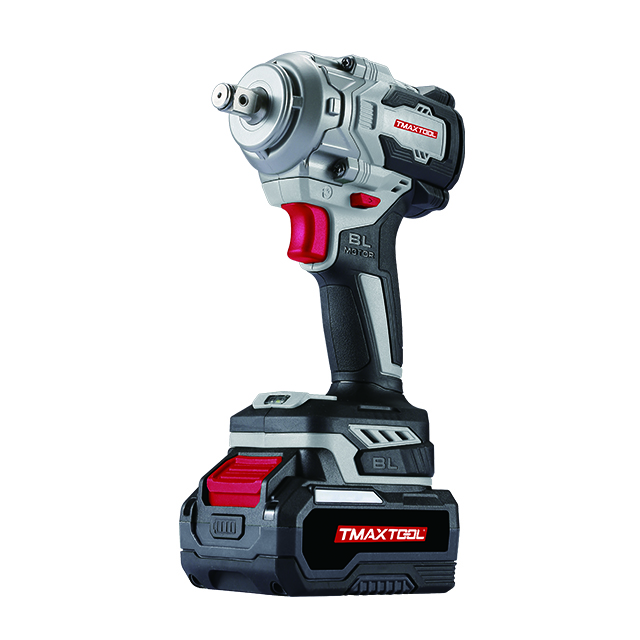
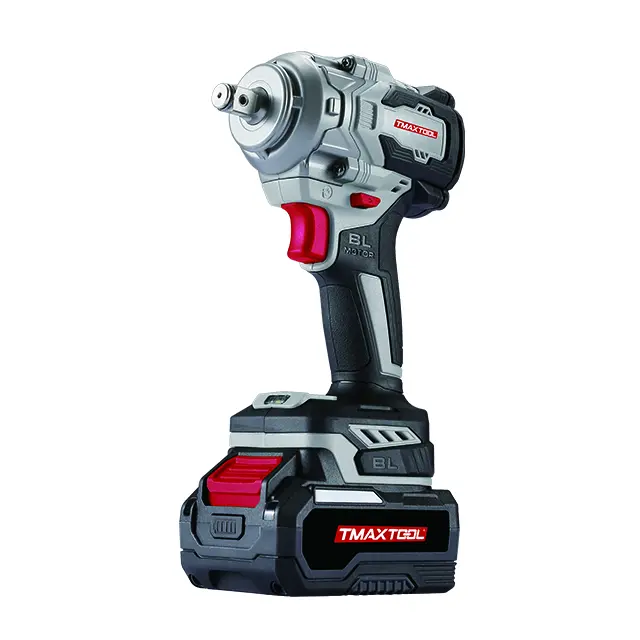
 Impact Wrench
 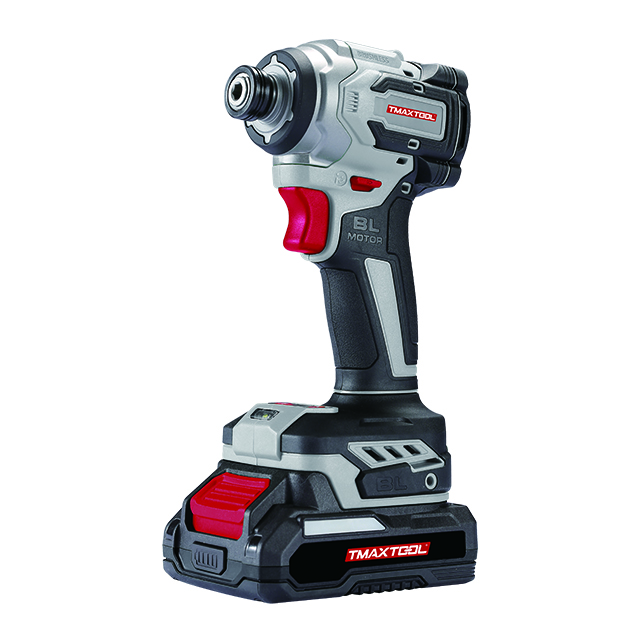 Screwdriver
 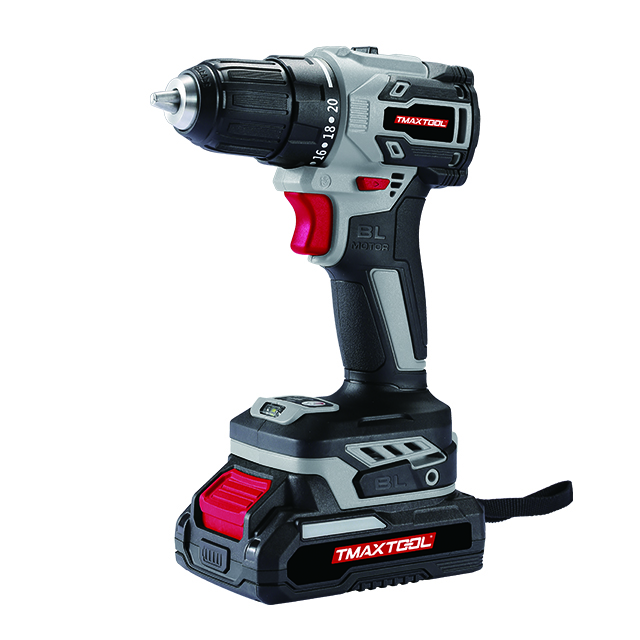 Cordless Drill
  Angle Grinder
  Polisher
 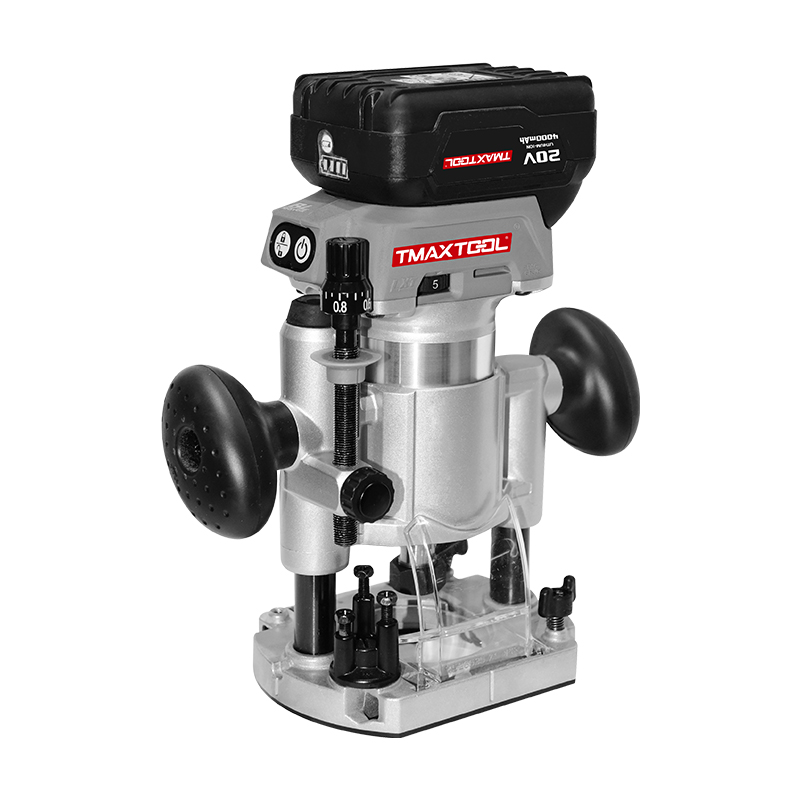 Wood Router
 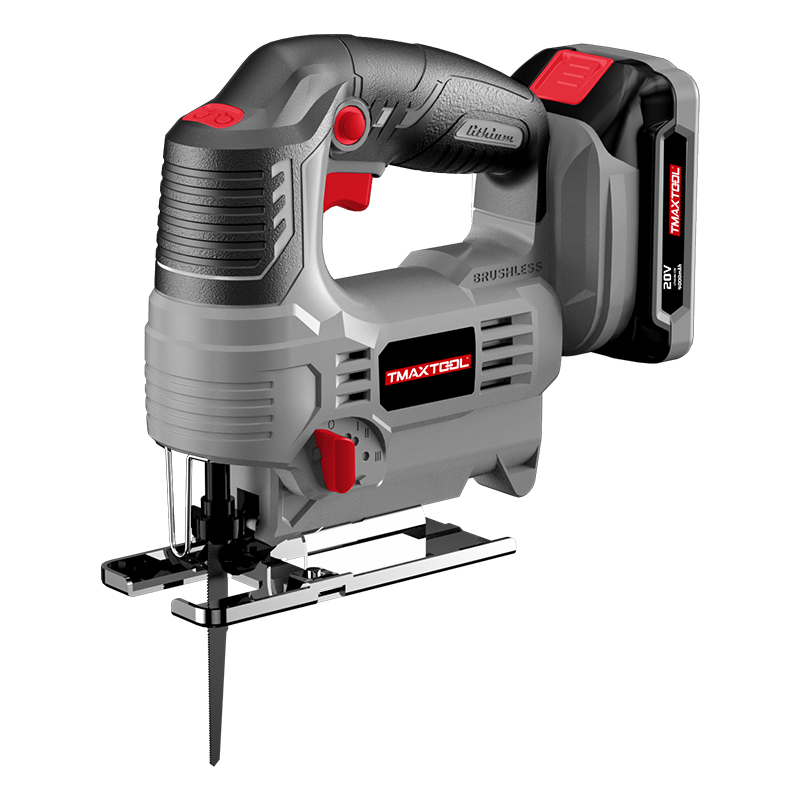 Jig Saw
 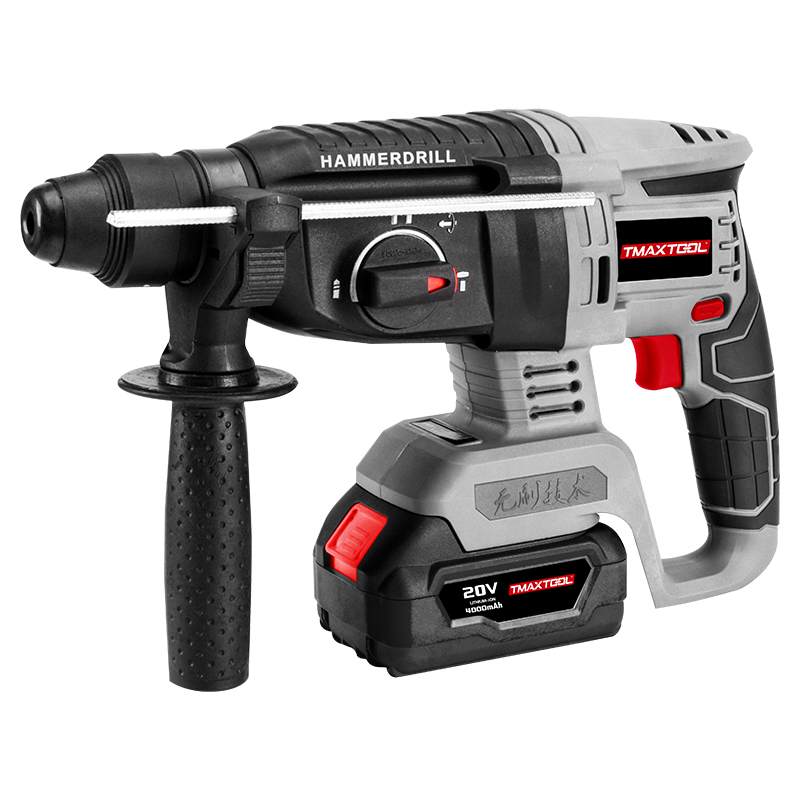 Hammer Drill
  Portable Blower
  Orbital Sander
 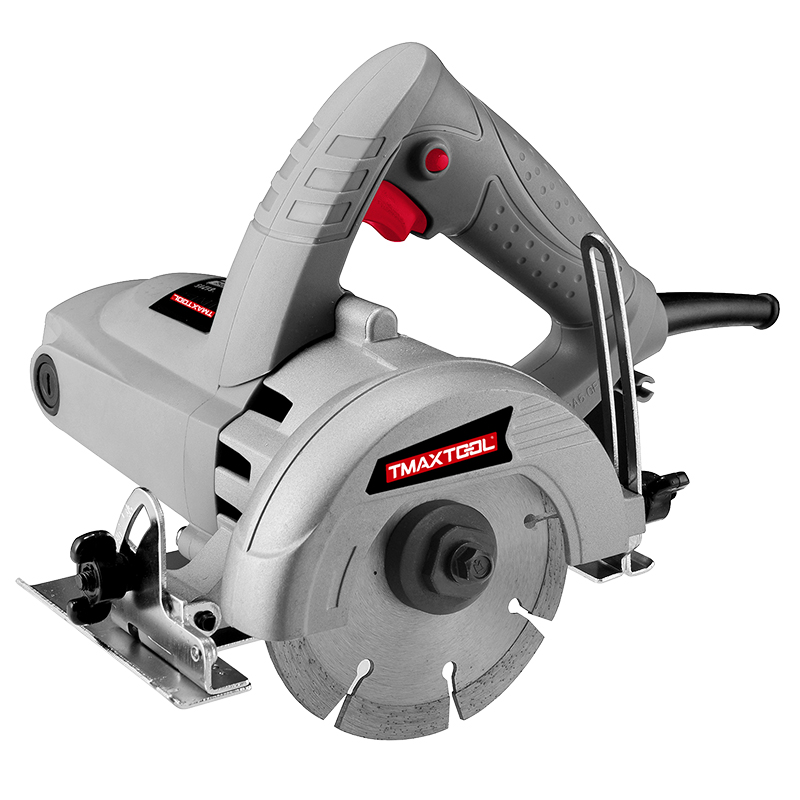 Marble Cutter
  GARDEN TOOLS
  Battery Chain Saw
  Battery Brush Cutter
 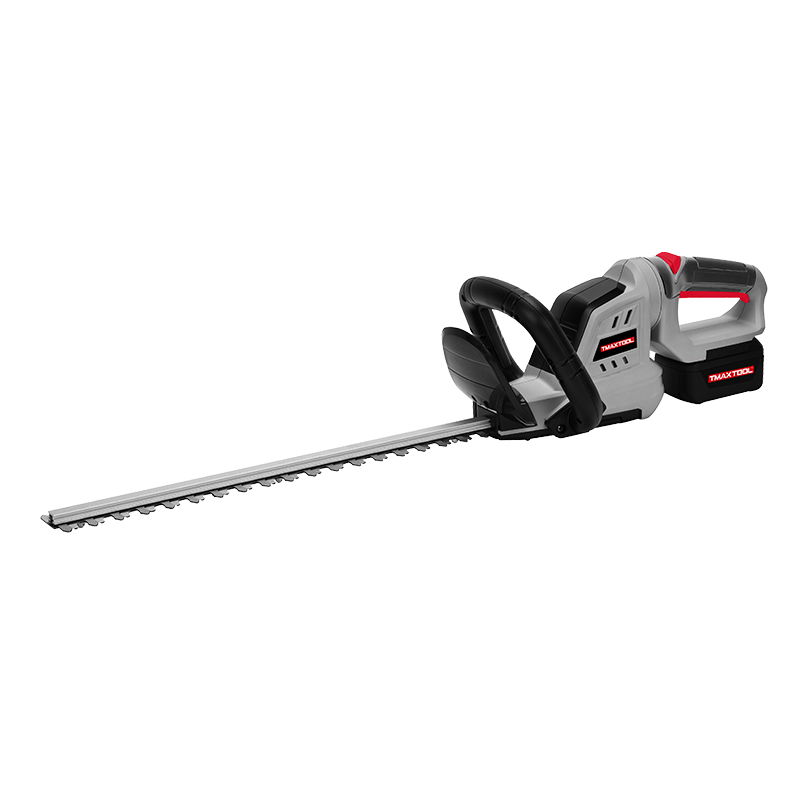 Battery Hedge Trimmer
 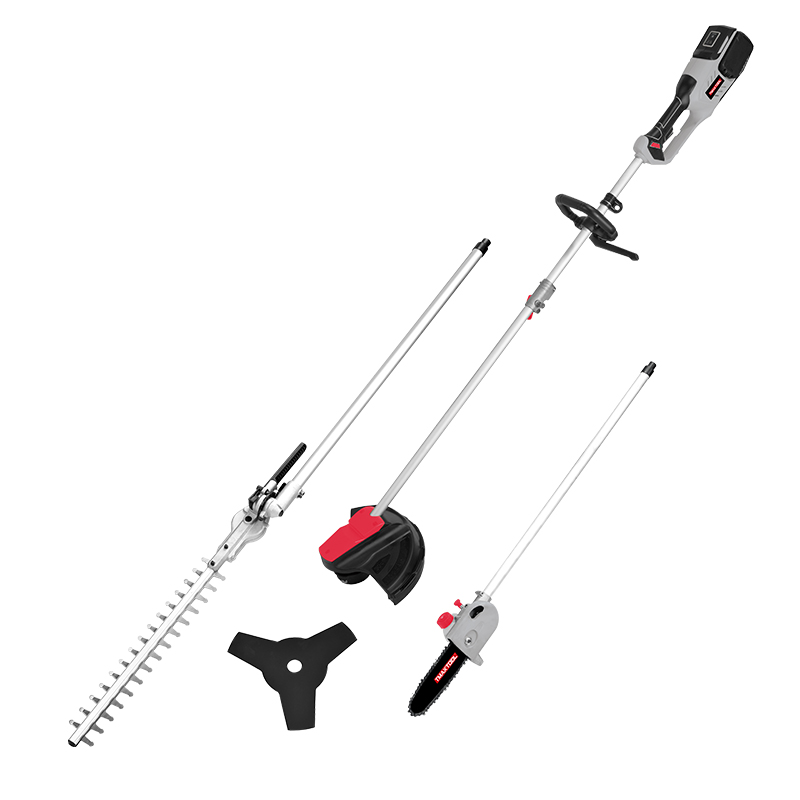 Battery Multi Tool
 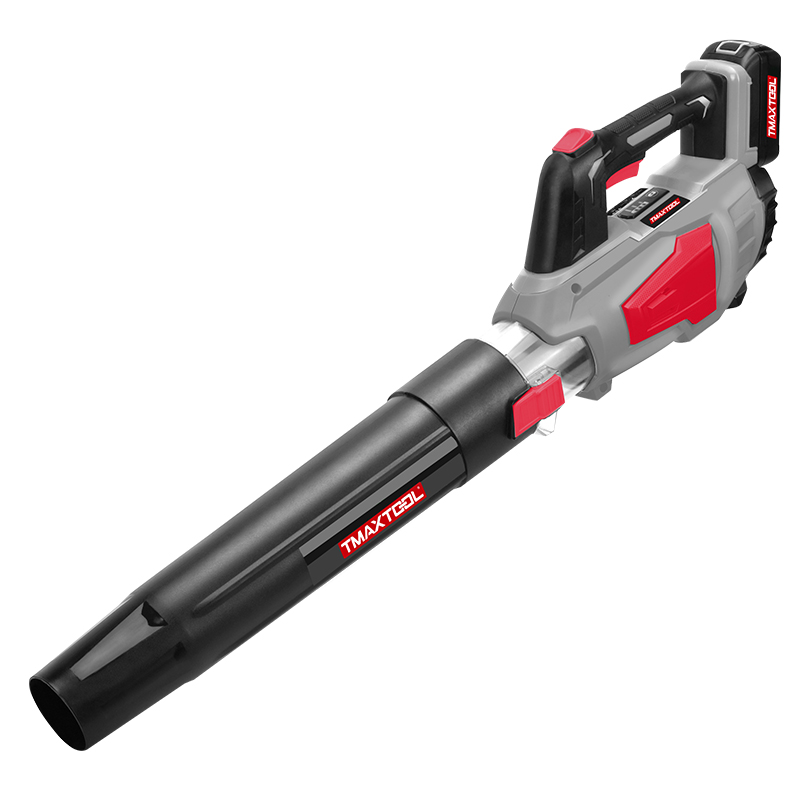 Battery Blower
 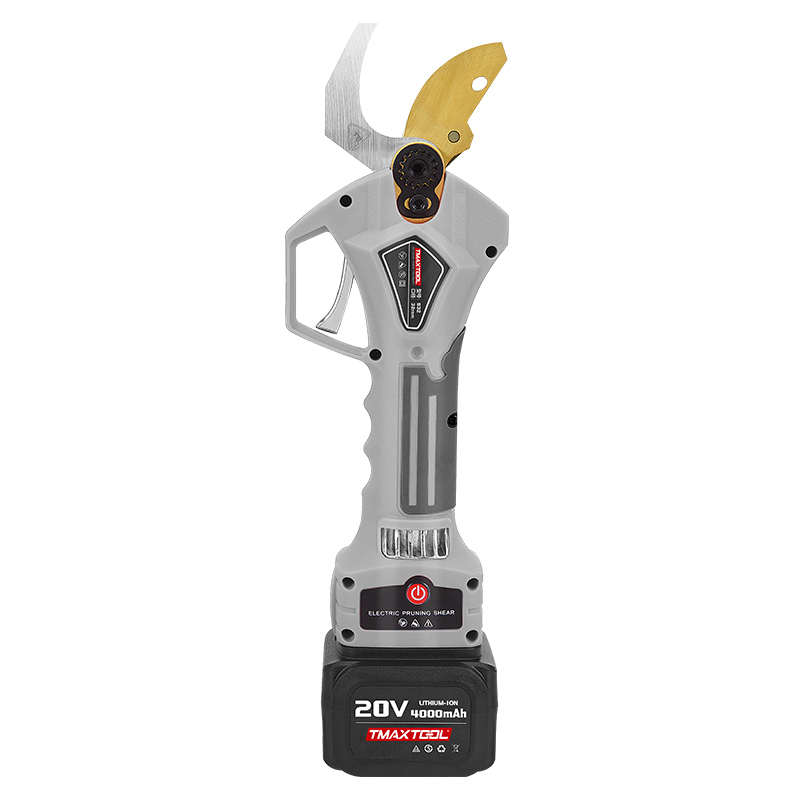 Batter Pruning Shears
 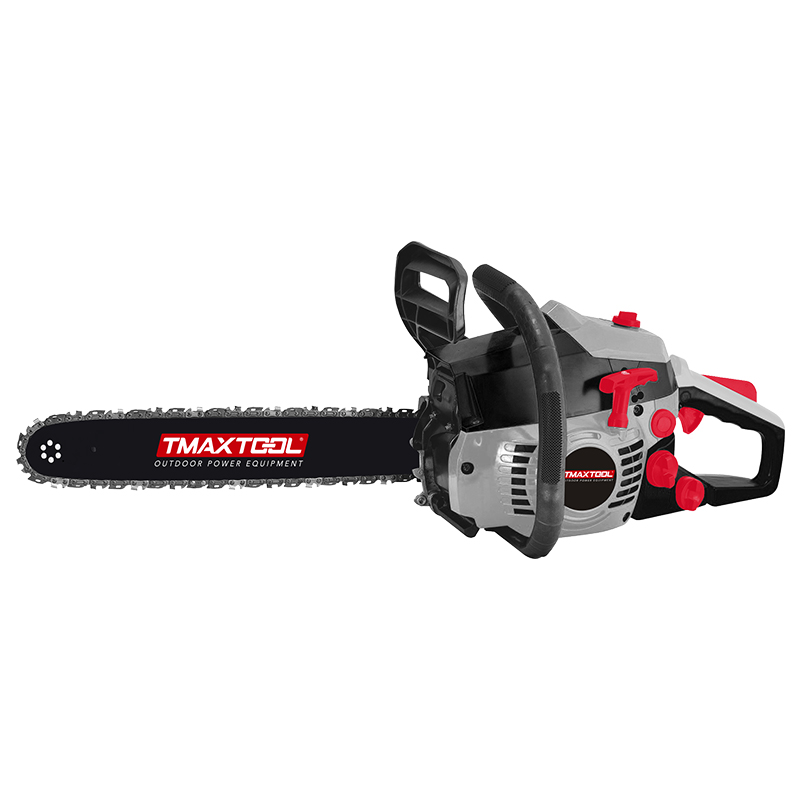 Chain Saw
  Brush Cutter
 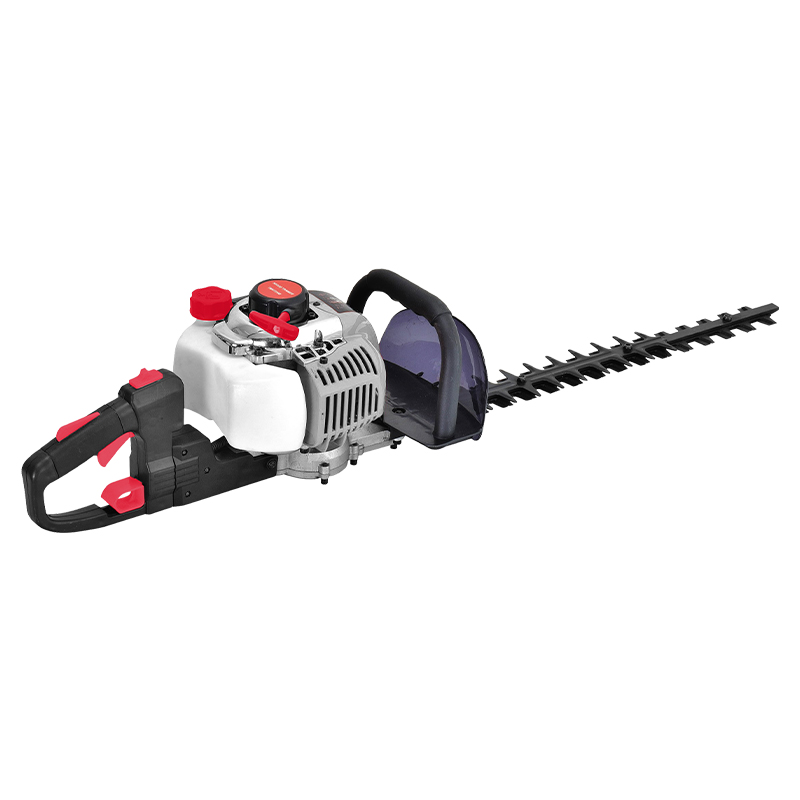 Hedge Trimmer
 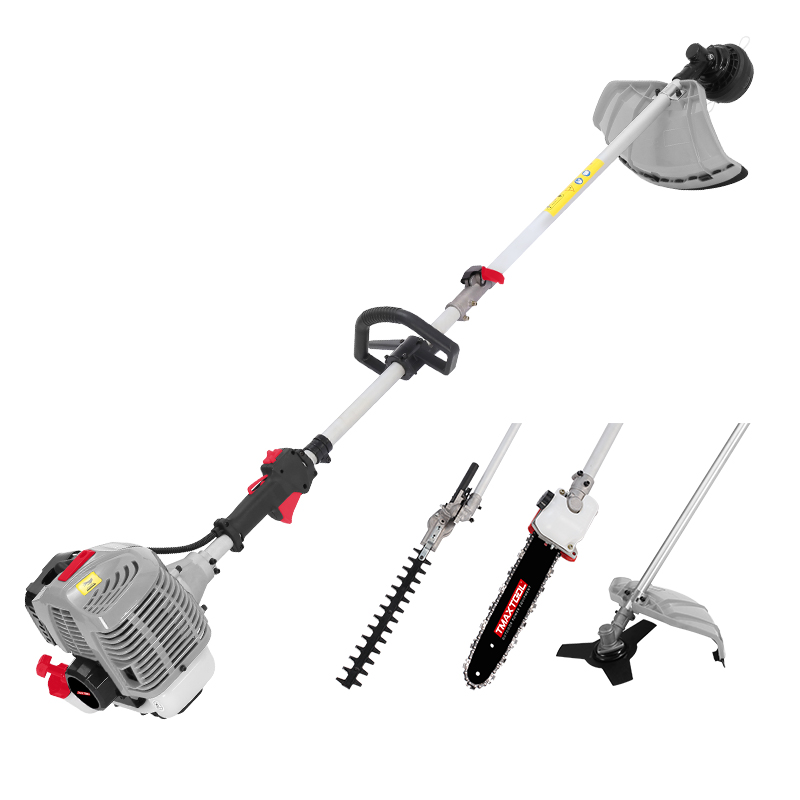 Multi Tool
 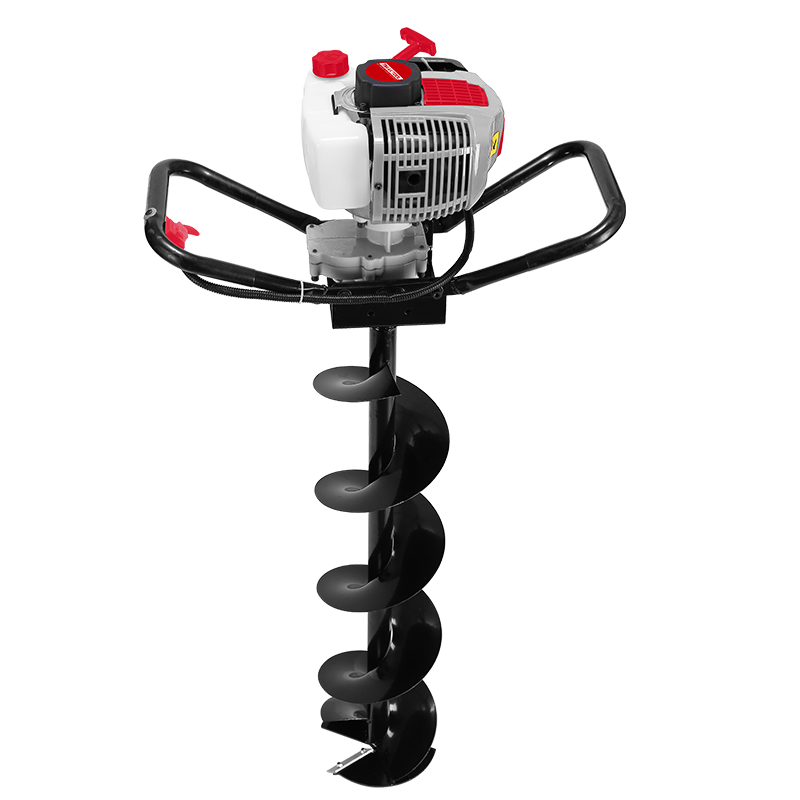 Earth Auger
 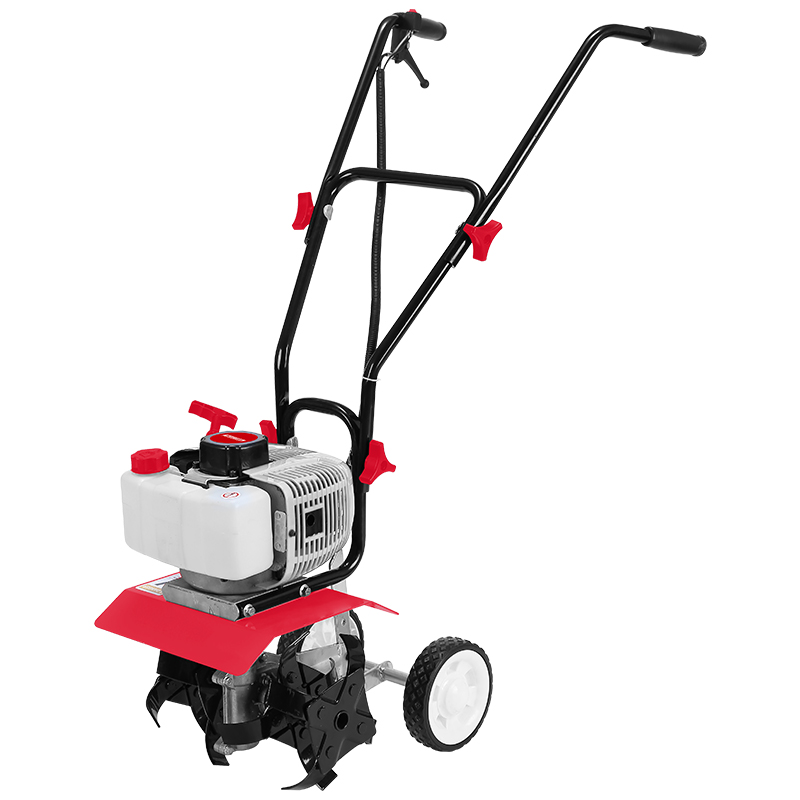 Tiller
  Blower
 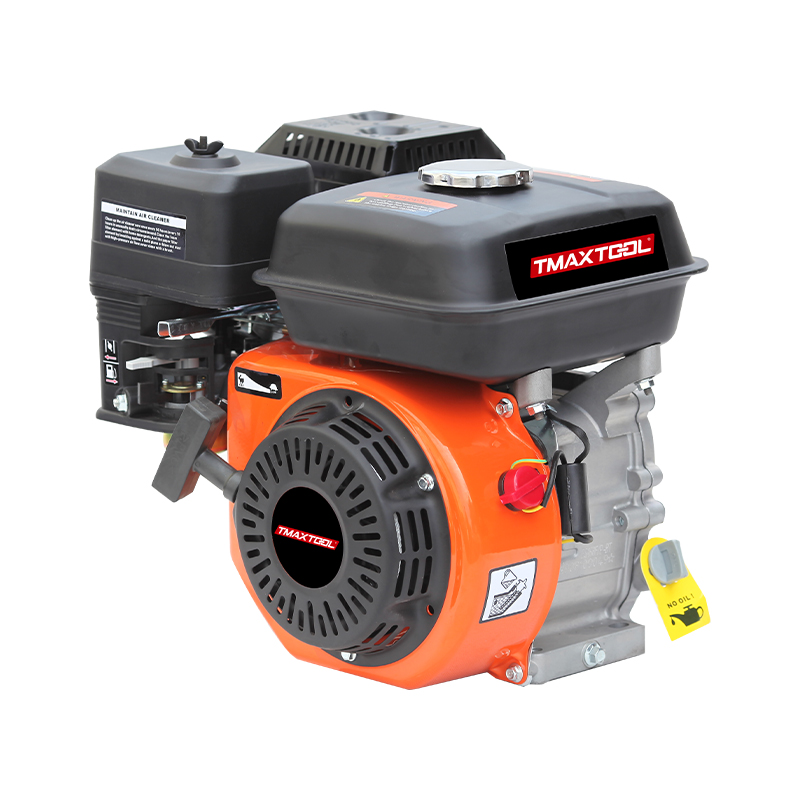 4 Stroke Gasoline Engine
 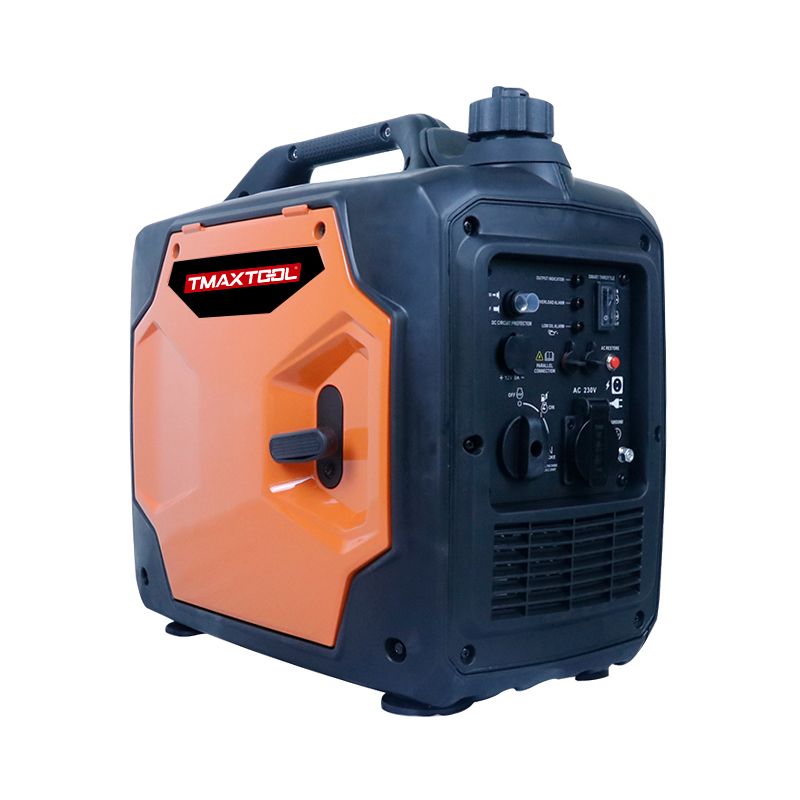 Generator
 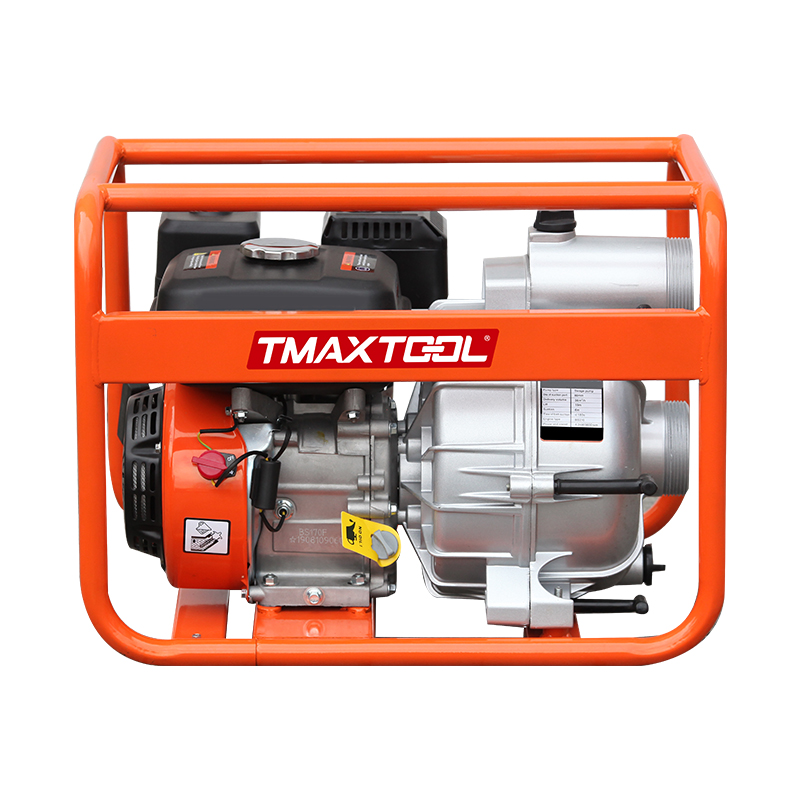 Water Pump
 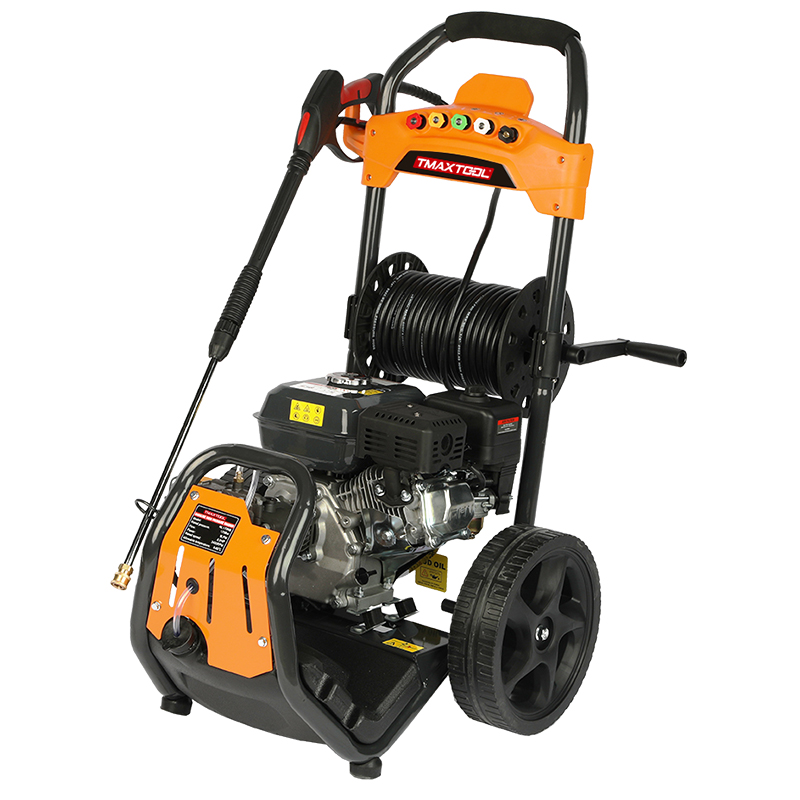 High Pressure Washer
 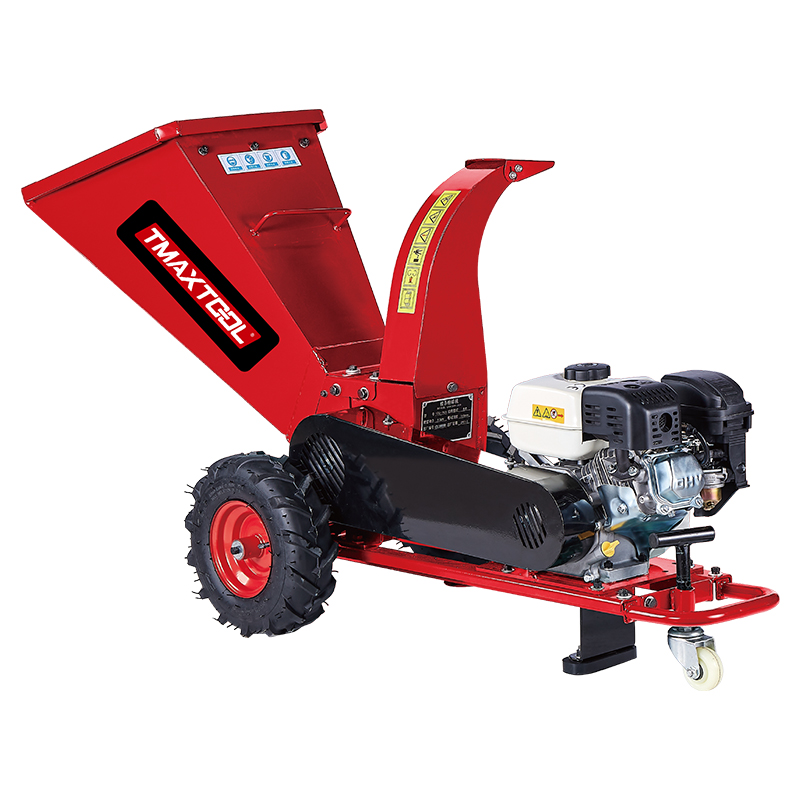 Wood Cutter
 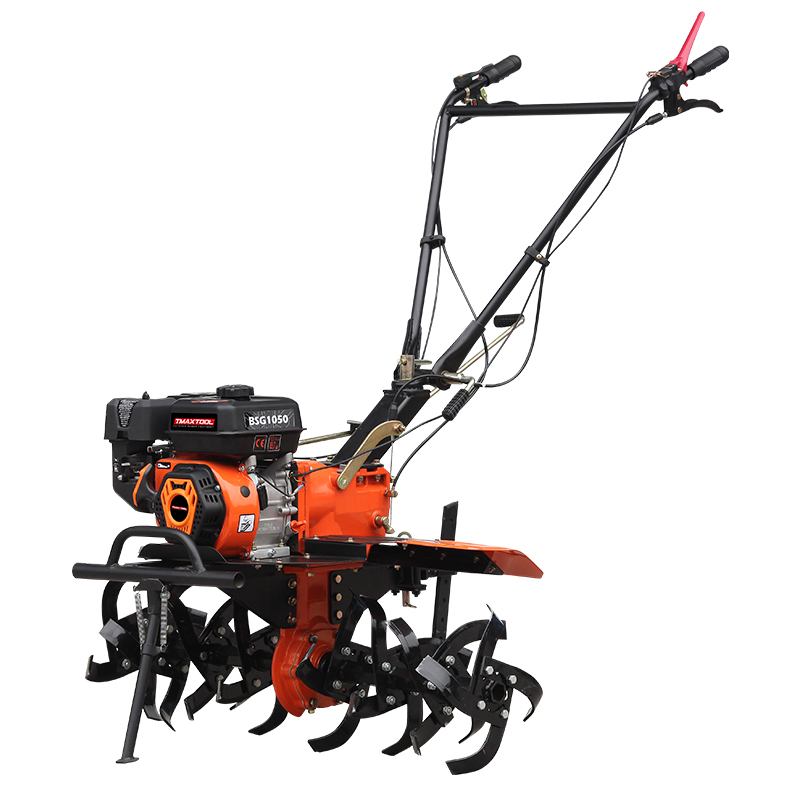 4 Stroke Tiller
 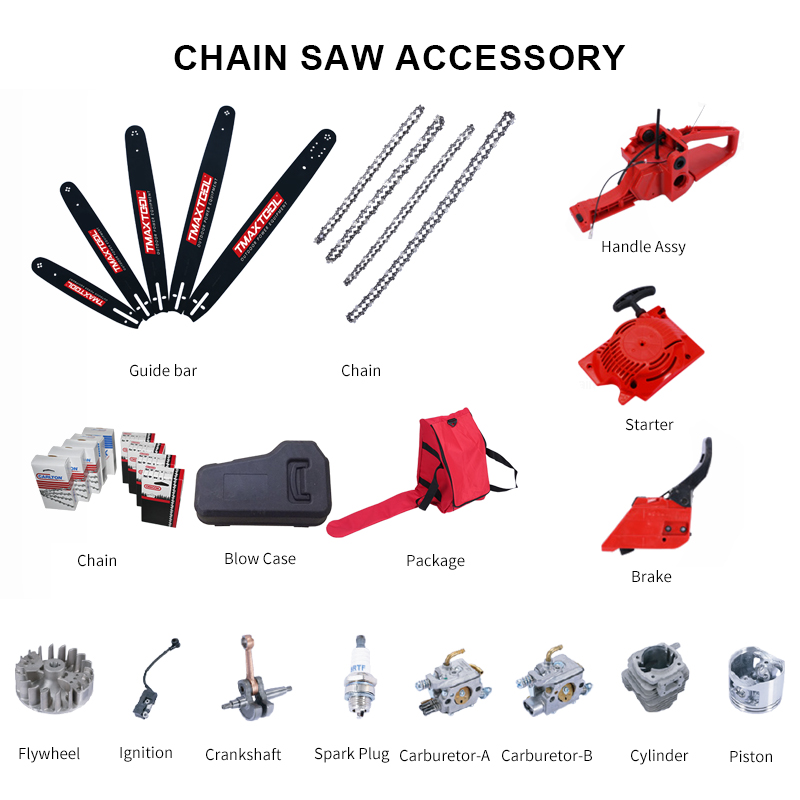 Chain Saw Accessory
 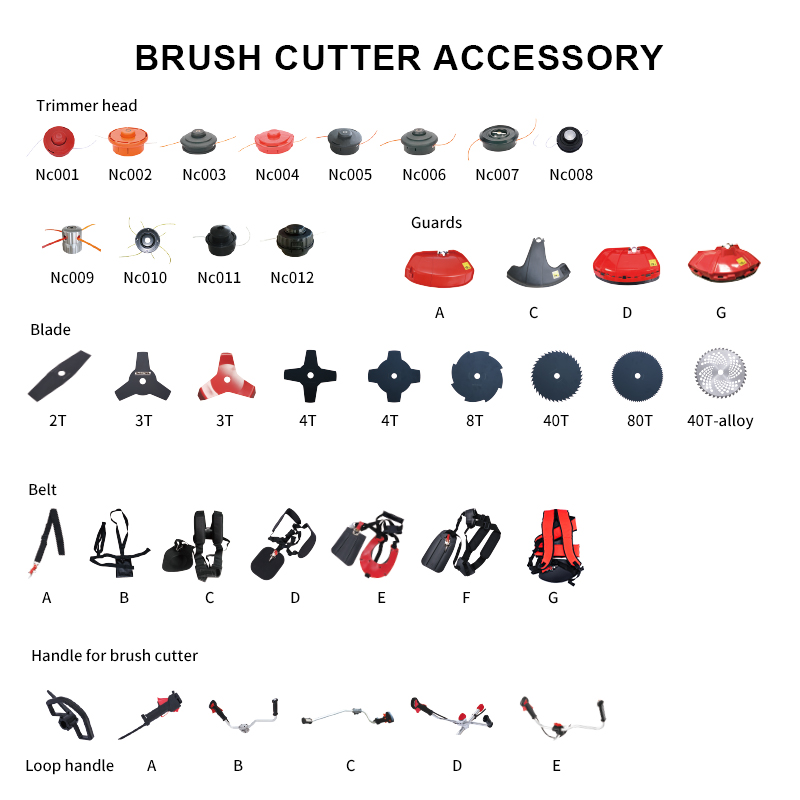 Brush Cutter Accessory
 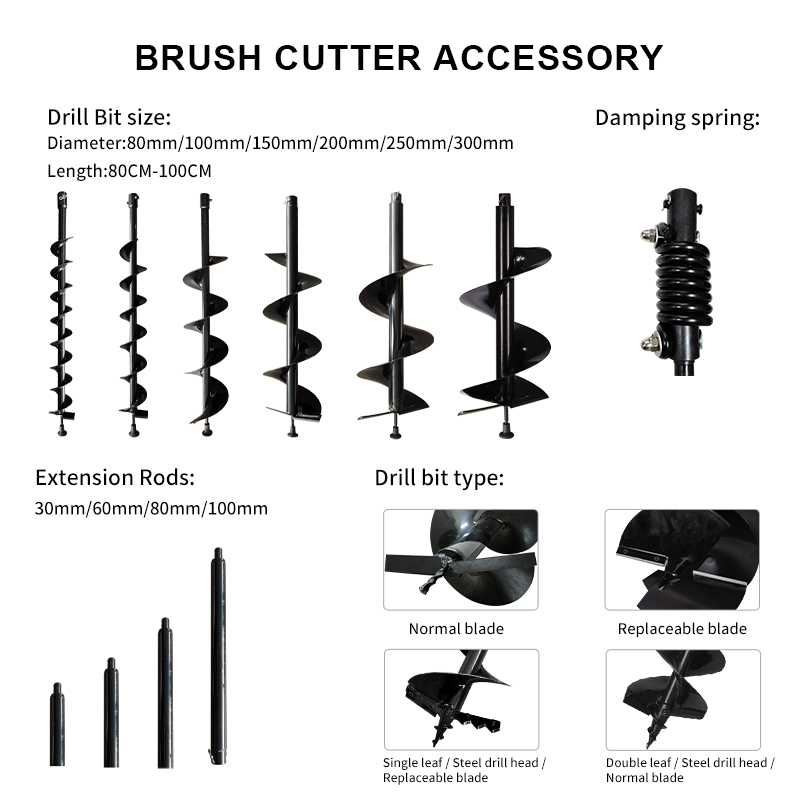 Earth Auger Accessory
  Protective Equipment Accessories
Leave Your Message


What are the commonly used materials for hardware tools?
Hardware tools play a significant role in daily life and industrial production. The choice of their materials directly affects the performance and service life of the tools. The following are some commonly used materials for hardware tools and their characteristics:
First, carbon tool steel
Carbon tool steel is one of the main materials for manufacturing tools, featuring high hardness and wear resistance. It is usually used to make tools such as hand hammers, wrenches and screwdrivers. The carbon content of carbon tool steel is generally between 0.65% and 1.35%. After heat treatment, its hardness can reach HRC60-65. Tools made of this material can maintain good edge sharpness during use and are suitable for fine processing.
Second, alloy tool steel
Alloy tool steel is developed on the basis of carbon tool steel by adding alloy elements (such as chromium, manganese, tungsten, vanadium, etc.) to enhance the performance of the tools. Alloy tool steel features higher hardness, wear resistance and toughness, and is suitable for manufacturing tools that need to withstand greater impact and wear, such as chisels, punches and milling cutters. The hardness of alloy tool steel can reach HRC60-70, which can meet the requirements of high-precision processing.

Third, high-speed tool steel
High-speed tool steel is a kind of high-performance tool steel, containing alloying elements such as tungsten, molybdenum, chromium and vanadium. Tools made of this material can maintain excellent cutting performance under high-speed cutting conditions, featuring high hardness, high wear resistance and high thermal stability. The hardness of high-speed tool steel can reach HRC63-70, making it suitable for manufacturing cutting tools such as turning tools, milling cutters, and drills. During the high-speed cutting process, high-speed tool steel can maintain the sharpness of the cutting edge, reduce tool wear and improve processing efficiency.
Fourth, cemented carbide
Hard alloy is an alloy material made by powder metallurgy process from hard compounds of refractory metals and binder metals. It has extremely high hardness and wear resistance, with a hardness reaching HRA89-93, which is much higher than that of ordinary tool steel. Hard alloy is often used to make cutting tools such as drill bits, milling cutters and turning tools, and is especially suitable for processing materials with high hardness, such as stainless steel and cast iron. Due to its high hardness and wear resistance, hard alloy tools have a longer service life and can significantly improve production efficiency.
Fifth, Stainless steel
Stainless steel is an alloy steel with excellent corrosion resistance, containing at least 10.5% chromium. Stainless steel tools have good corrosion resistance in damp environments and are suitable for damp places such as kitchens and bathrooms. The hardness of stainless steel is usually between HRC20 and 30. Although its hardness is not as high as that of carbon tool steel and alloy tool steel, its corrosion resistance and toughness make it an ideal material for manufacturing tools such as wrenches, screwdrivers and pliers. Stainless steel tools are not only aesthetically pleasing but also have a long service life and low maintenance costs.
Sixth, aluminium alloy
Aluminum alloy is a lightweight and high-strength metallic material with excellent electrical and thermal conductivity. Aluminum alloy tools are usually used to make flashlights, toolboxes, wrenches, etc. The density of aluminium alloy is relatively low, only one-third that of steel. Therefore, aluminium alloy tools are light in weight, easy to carry and operate. Meanwhile, aluminium alloy has excellent corrosion resistance and is suitable for use in humid environments. The hardness of aluminum alloy tools is usually between HB60 and 100. Although the hardness is relatively low, its toughness and lightness give it unique advantages in certain application scenarios.
Seventh, Plastic
Plastic is a lightweight and insulating material with excellent corrosion resistance and insulation. Plastic tools are usually used to make handles, insulating tools, etc. Plastic has a low density, is lightweight, and is easy to carry and handle. Meanwhile, plastic has good insulation properties and is suitable for electrical maintenance and the maintenance of electronic equipment. The hardness of plastic tools is usually between HB20 and 40. Although their hardness is relatively low, their insulation and lightness give them unique advantages in certain application scenarios.

Eighth, copper alloys
Copper alloy is a kind of metallic material with excellent electrical and thermal conductivity, and is often used to make electrical tools, copper hammers, etc. The hardness of copper alloys is usually between HB80 and 120. Although its hardness is relatively low, its excellent electrical conductivity and toughness make it an ideal material for manufacturing electrical tools. Copper alloy tools are widely used in electrical maintenance and the upkeep of electronic equipment, effectively preventing damage to the equipment caused by the tools.
Ninth, Summary
The material selection of hardware tools has a significant impact on their performance and service life. Carbon tool steel and alloy tool steel are suitable for manufacturing tools that require high hardness and wear resistance. High-speed tool steel and cemented carbide are suitable for manufacturing high-precision cutting tools. Stainless steel and aluminum alloy, due to their excellent corrosion resistance and lightness, are suitable for humid environments and scenarios that require portable tools. Plastics and copper alloys are suitable for the manufacturing of specific tools due to their insulating and conductive properties. When choosing hardware tools, the appropriate material should be selected based on specific usage requirements and environmental conditions to ensure the performance and service life of the tools.
It is hoped that the above content can help you better understand the common materials and characteristics of hardware tools. If you have any questions about the materials of hardware tools or need further information, please feel free to contact us at any time.