
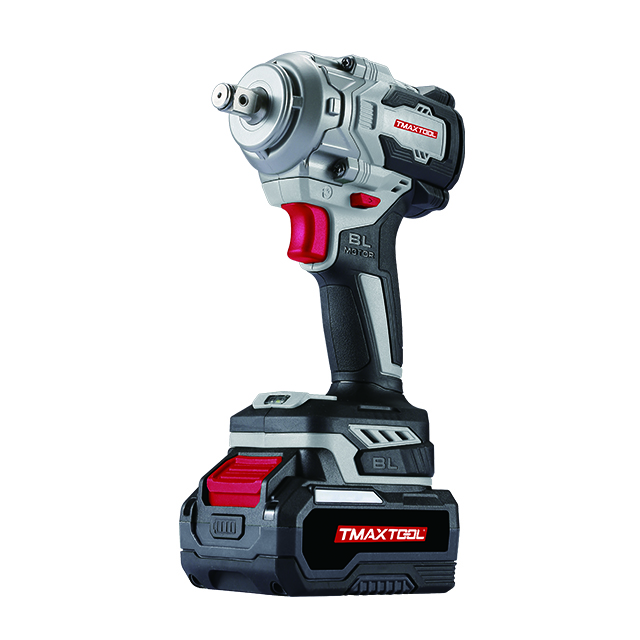
 Impact Wrench
 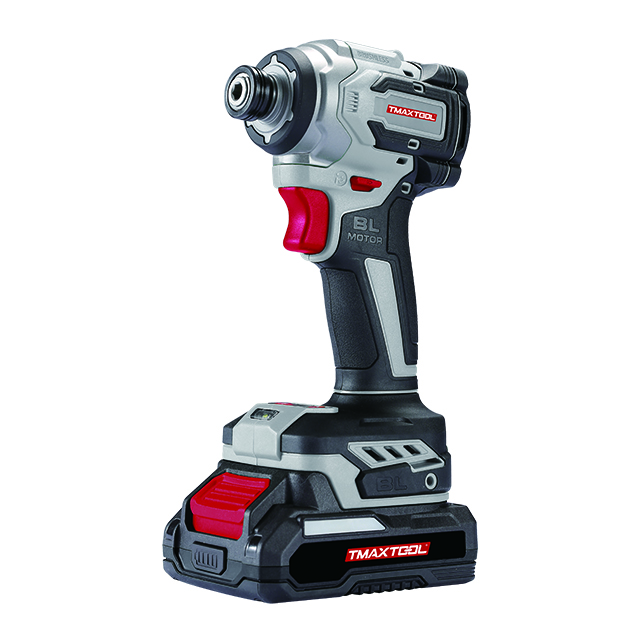 Screwdriver
 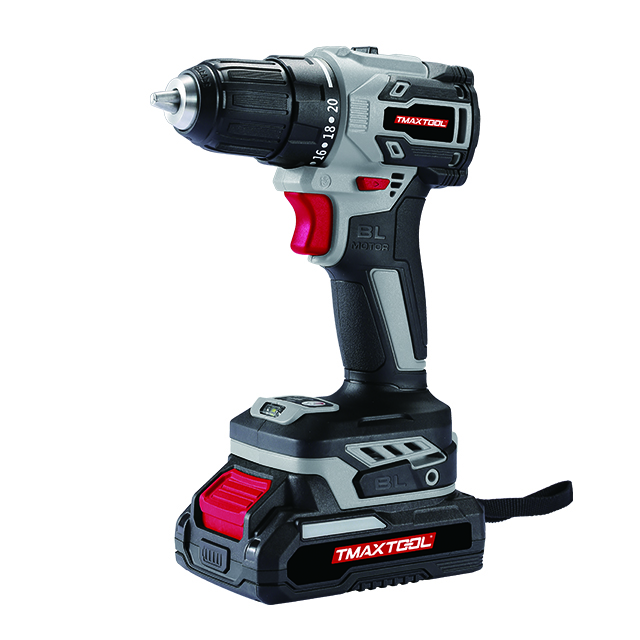 Cordless Drill
 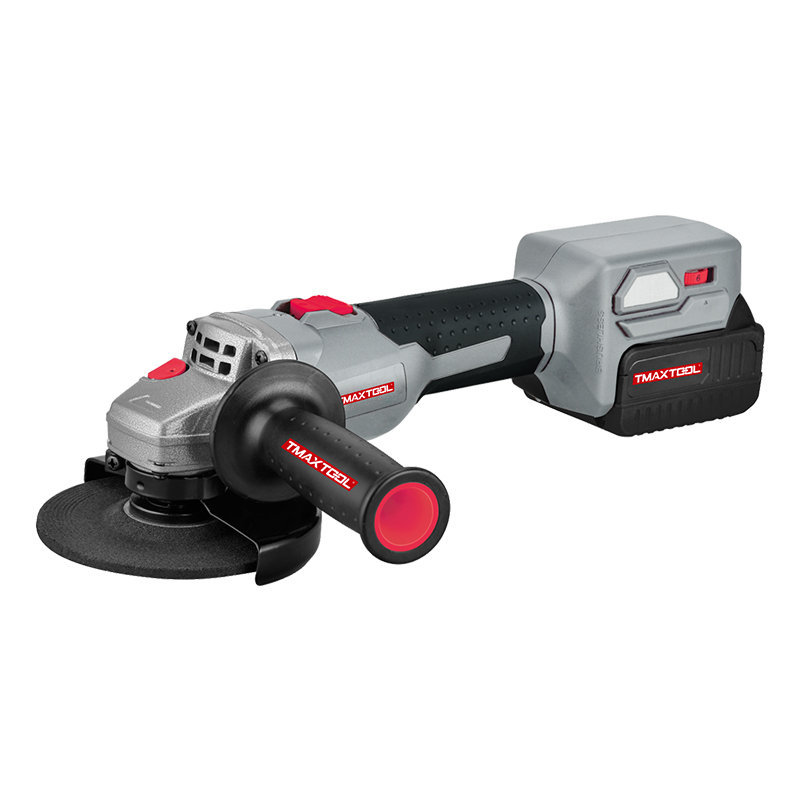 Angle Grinder
 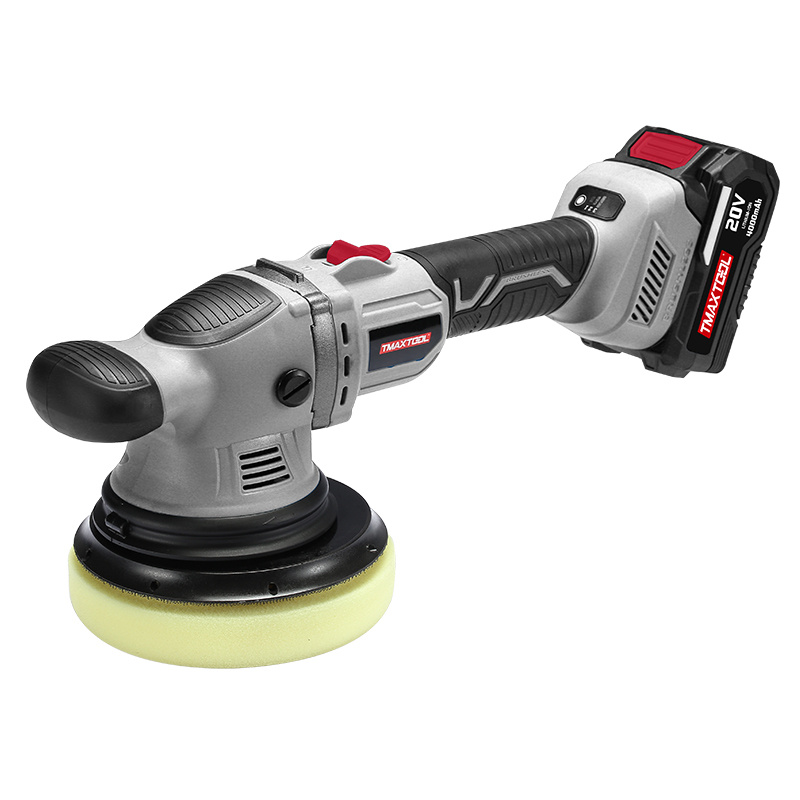 Polisher
 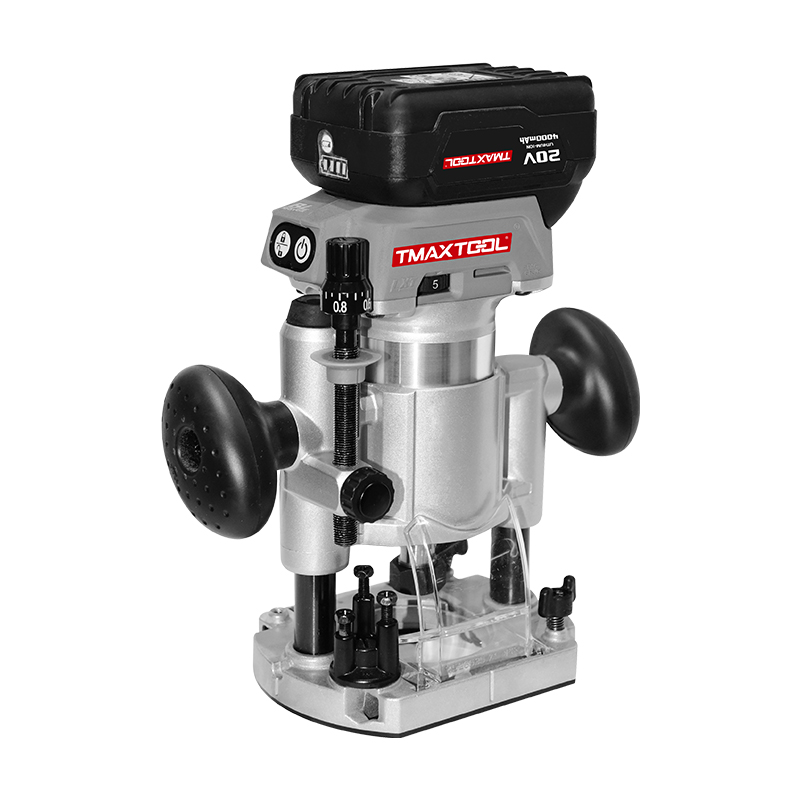 Wood Router
 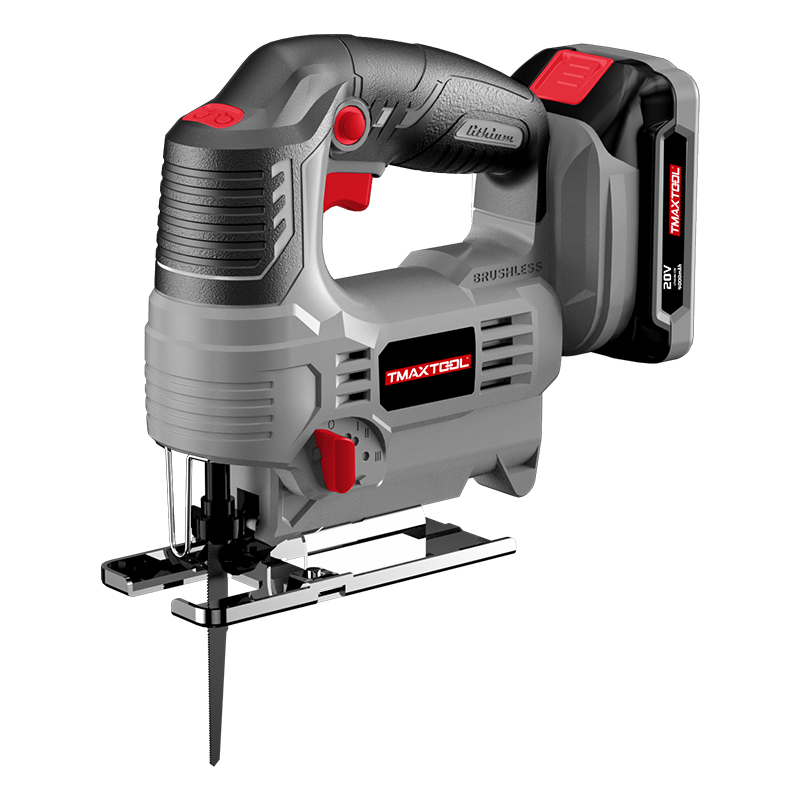 Jig Saw
 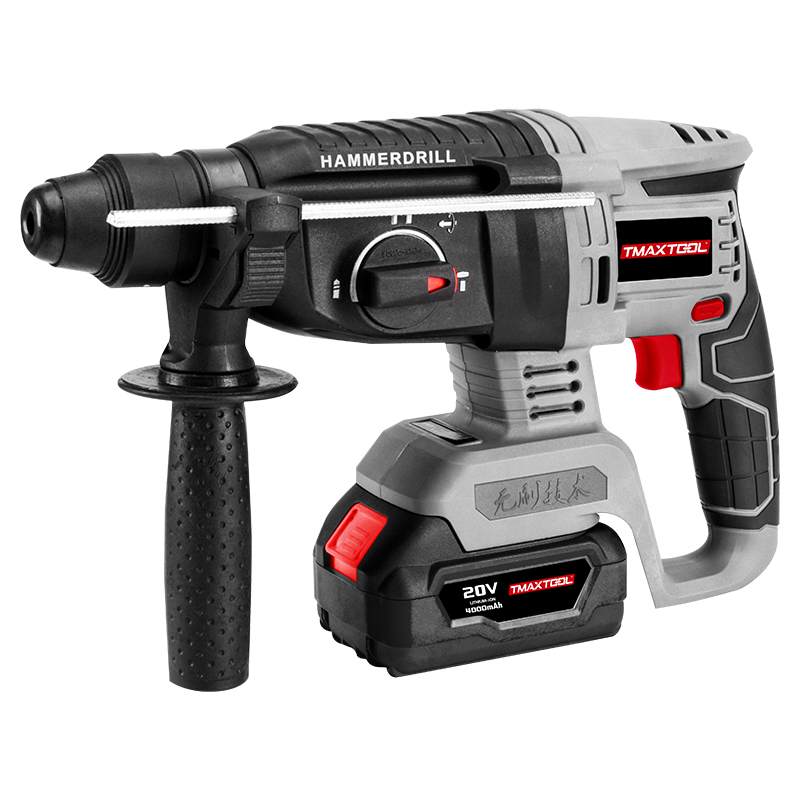 Hammer Drill
 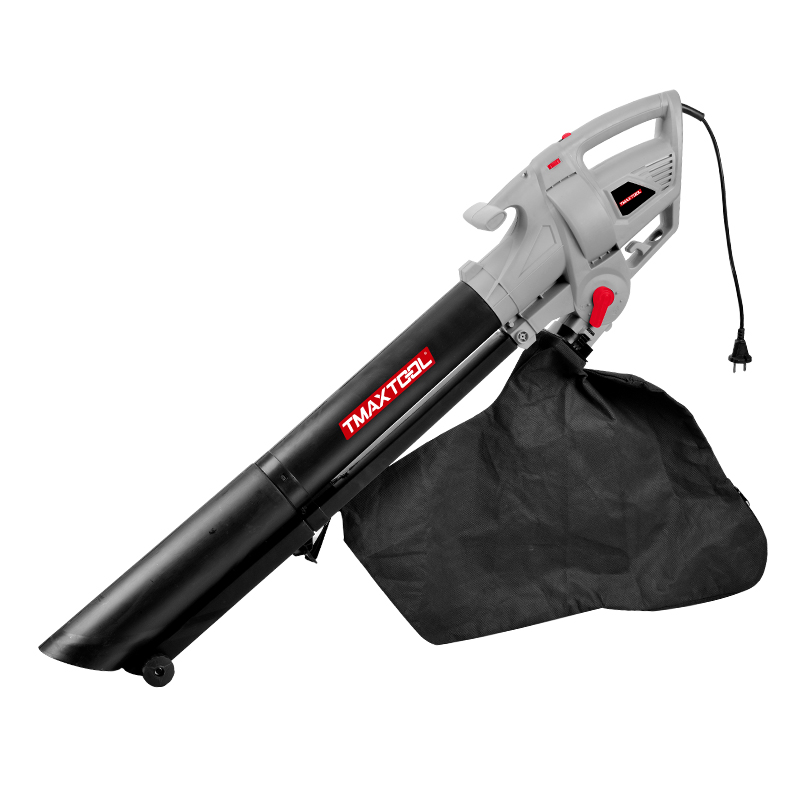 Portable Blower
 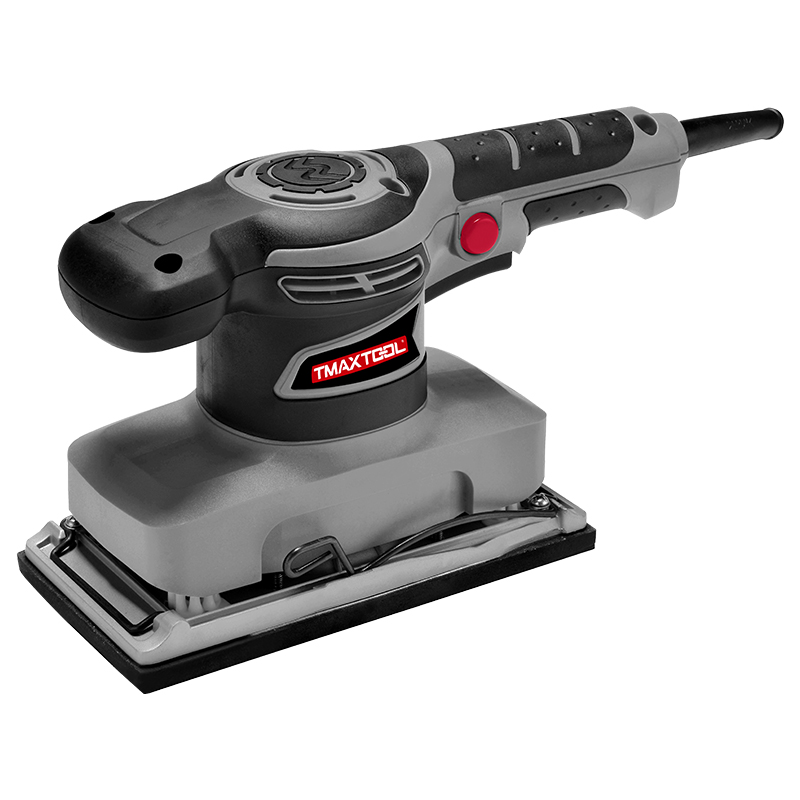 Orbital Sander
 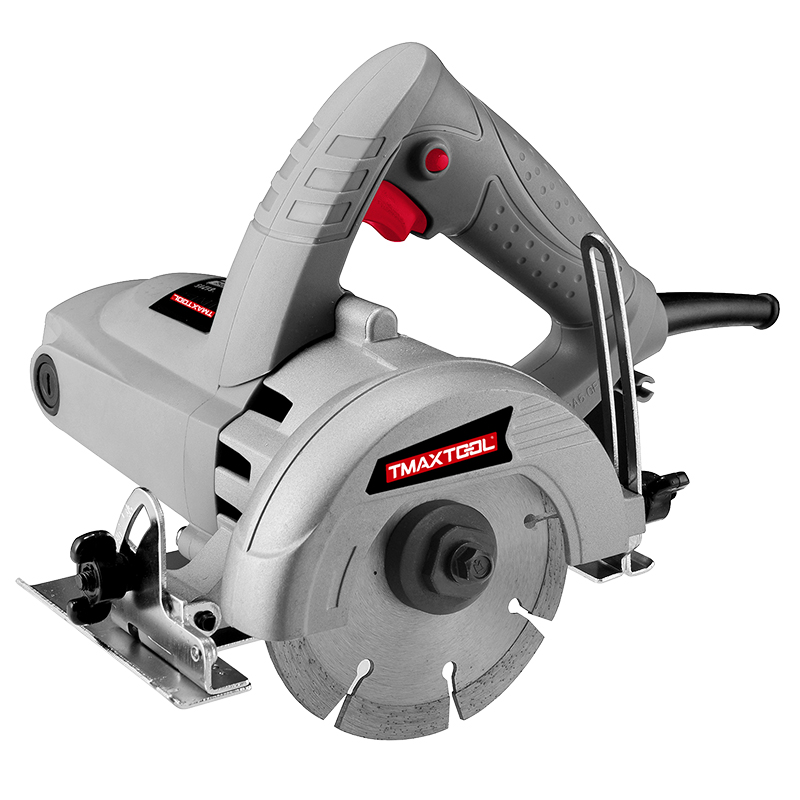 Marble Cutter
 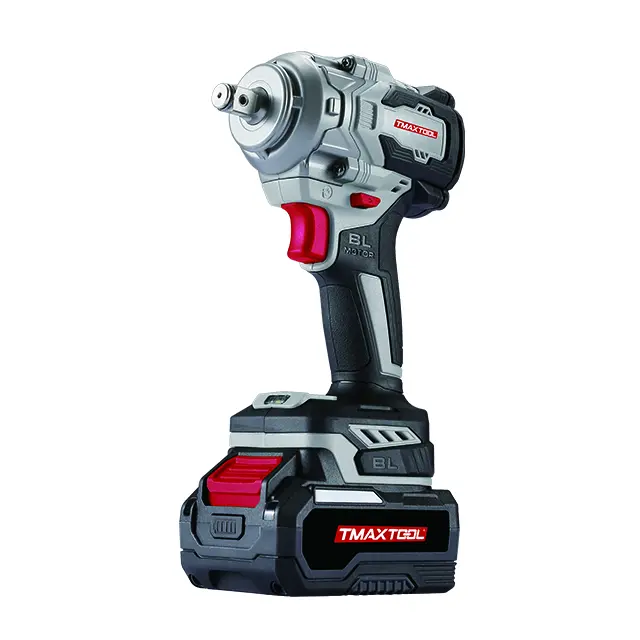 GARDEN TOOLS
 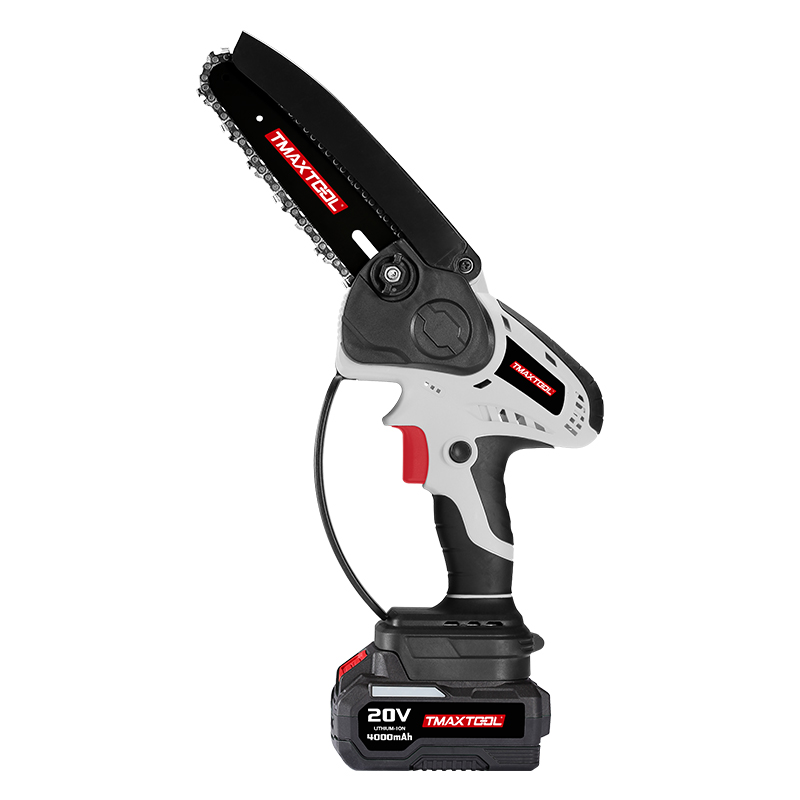 Battery Chain Saw
 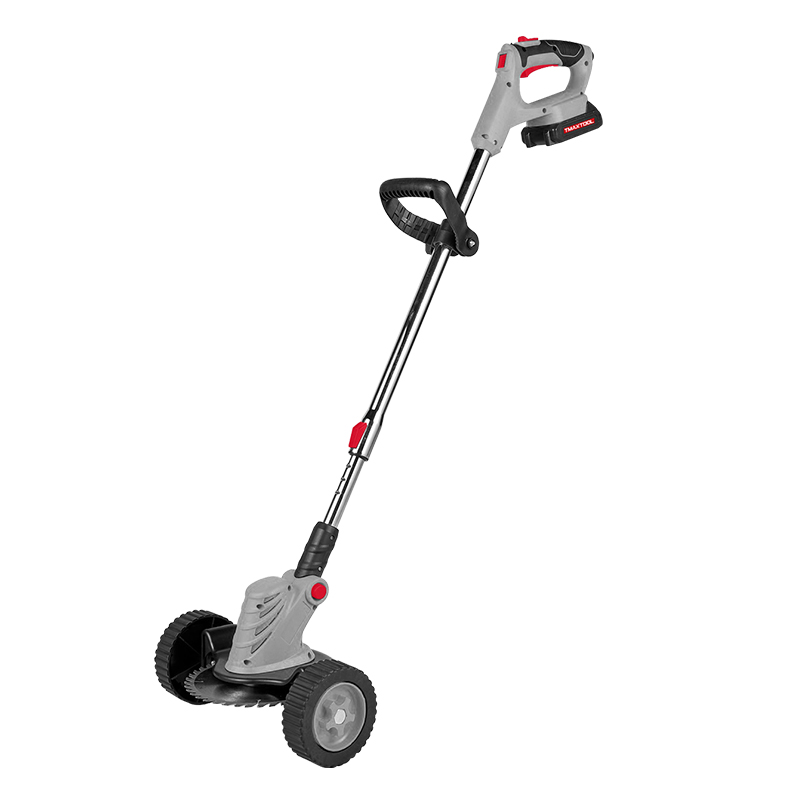 Battery Brush Cutter
 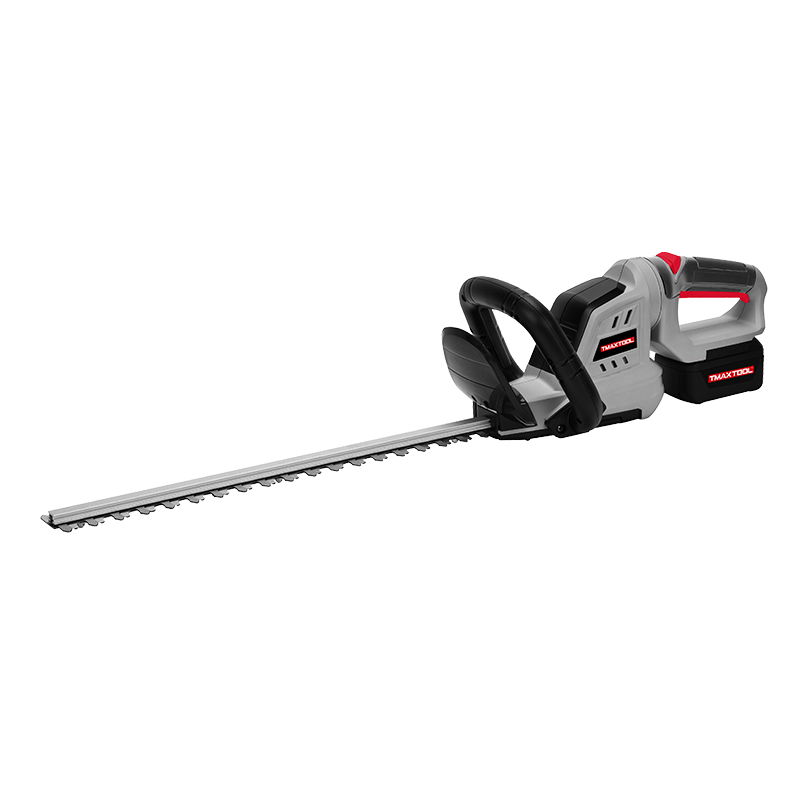 Battery Hedge Trimmer
 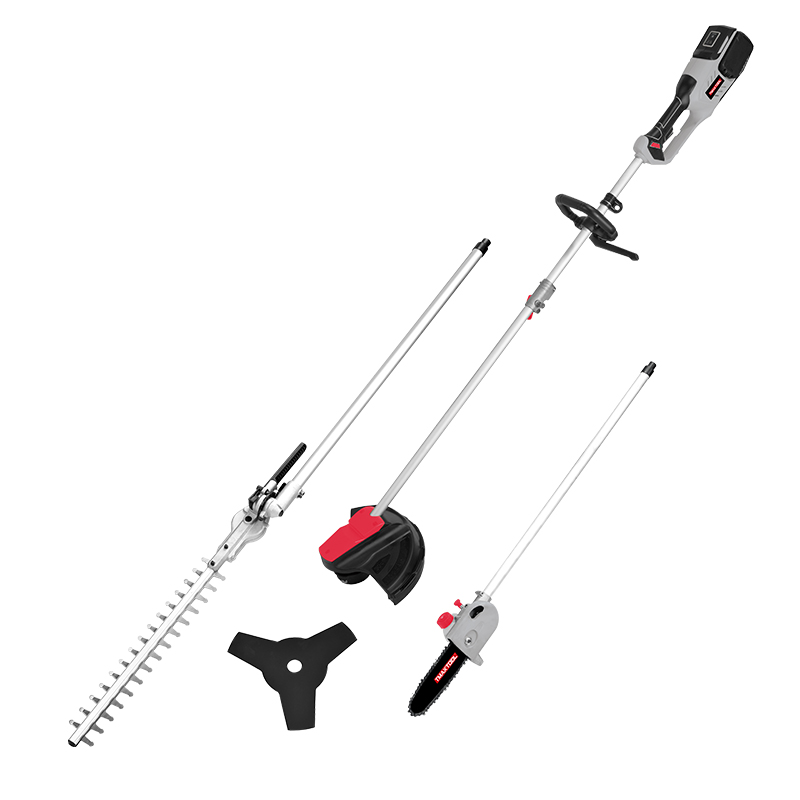 Battery Multi Tool
 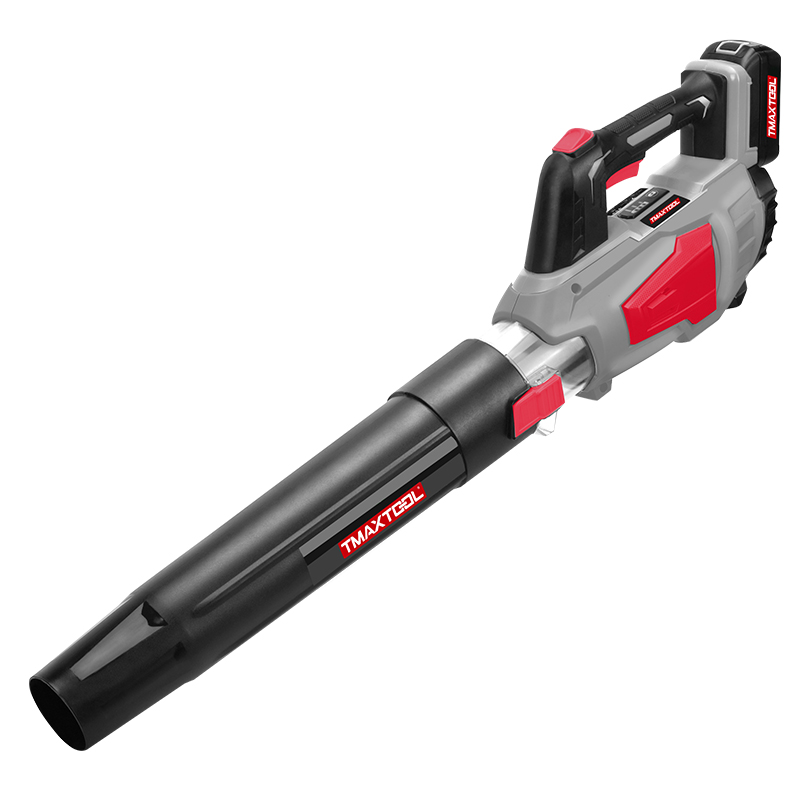 Battery Blower
 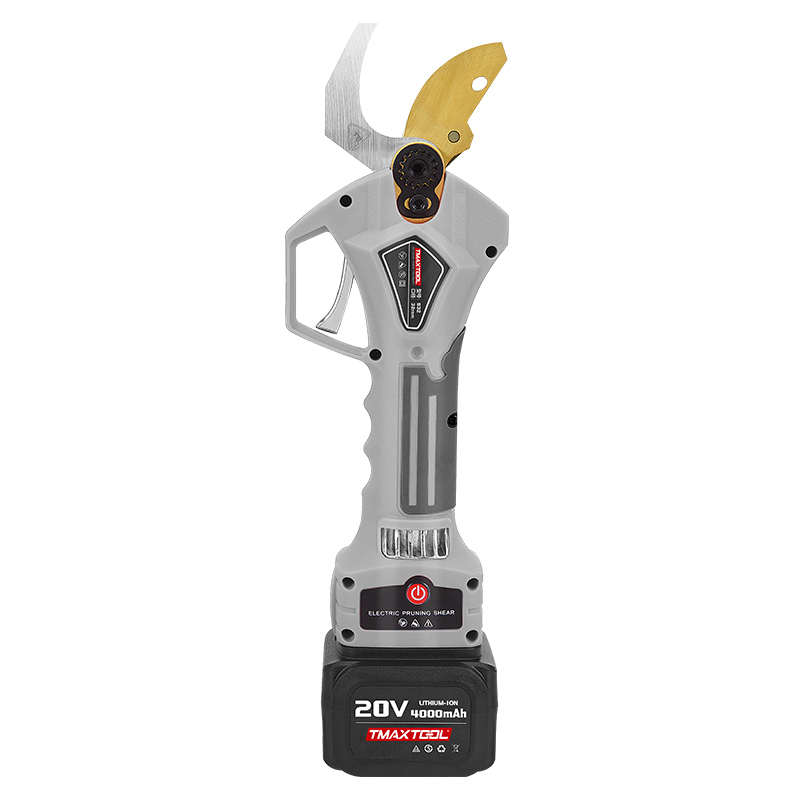 Batter Pruning Shears
 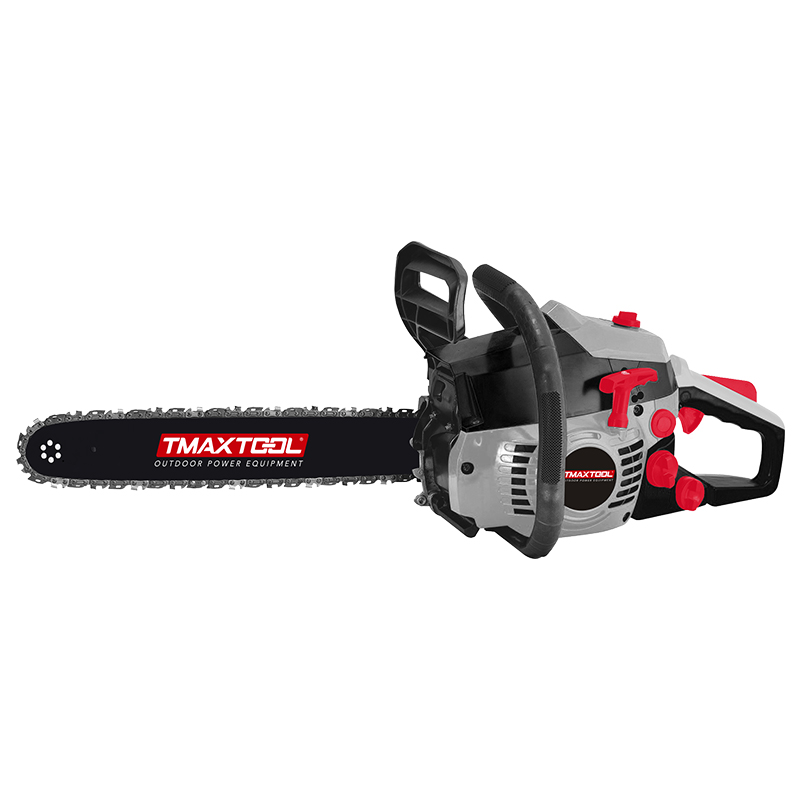 Chain Saw
 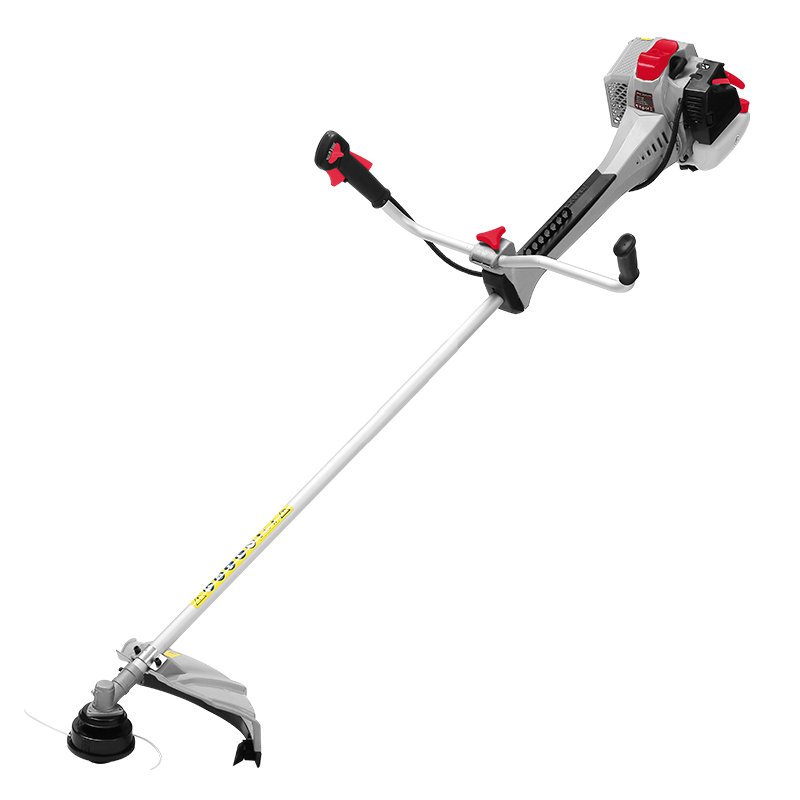 Brush Cutter
 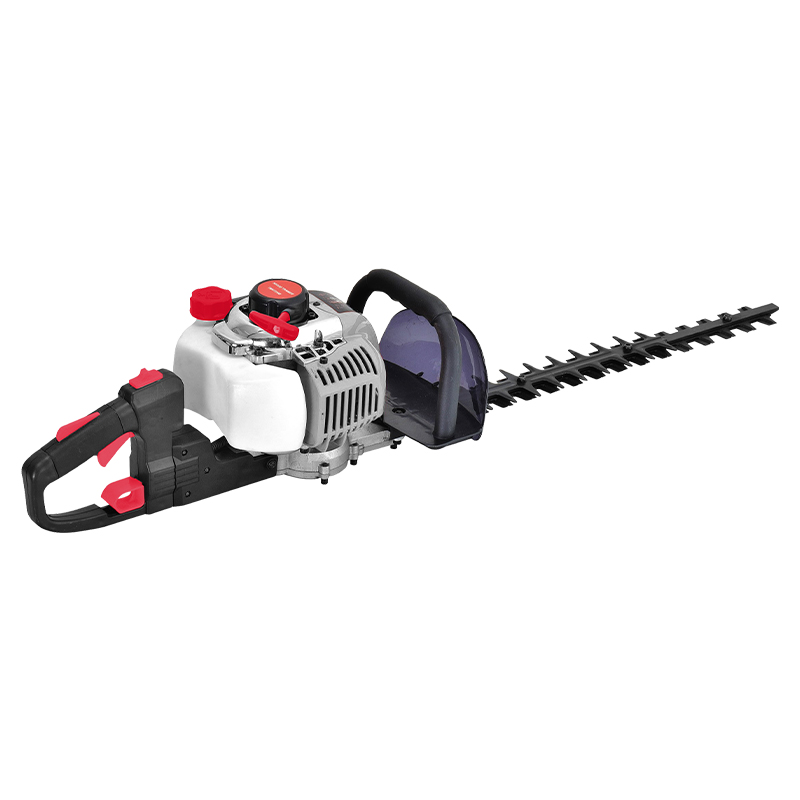 Hedge Trimmer
 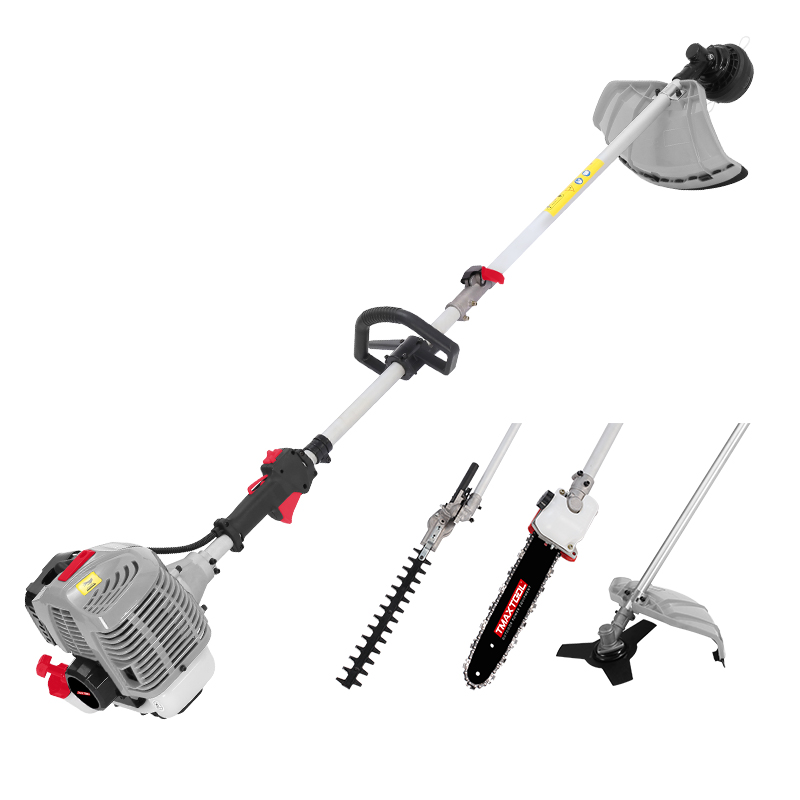 Multi Tool
 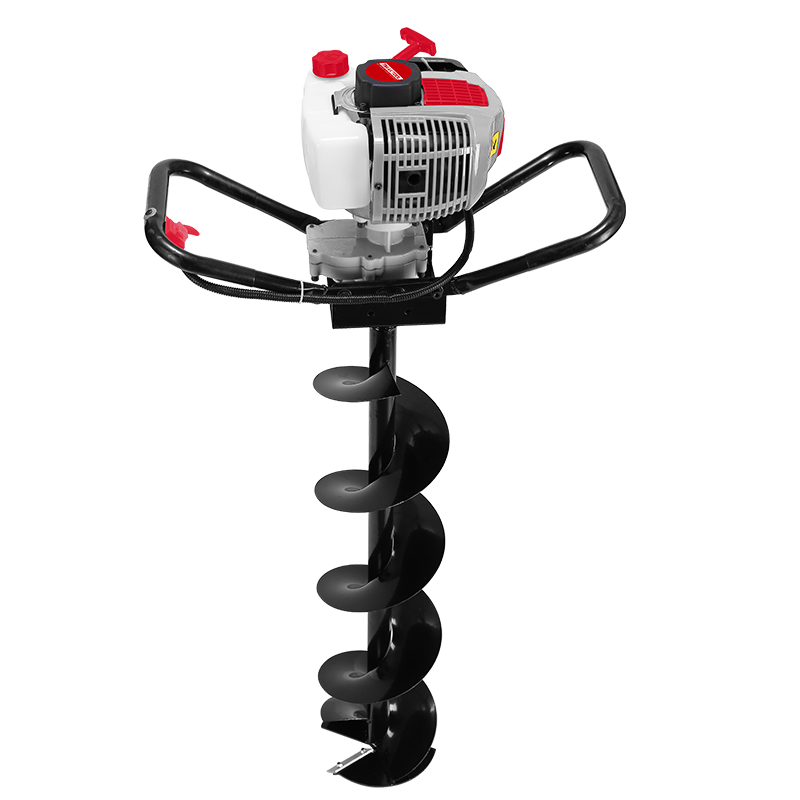 Earth Auger
 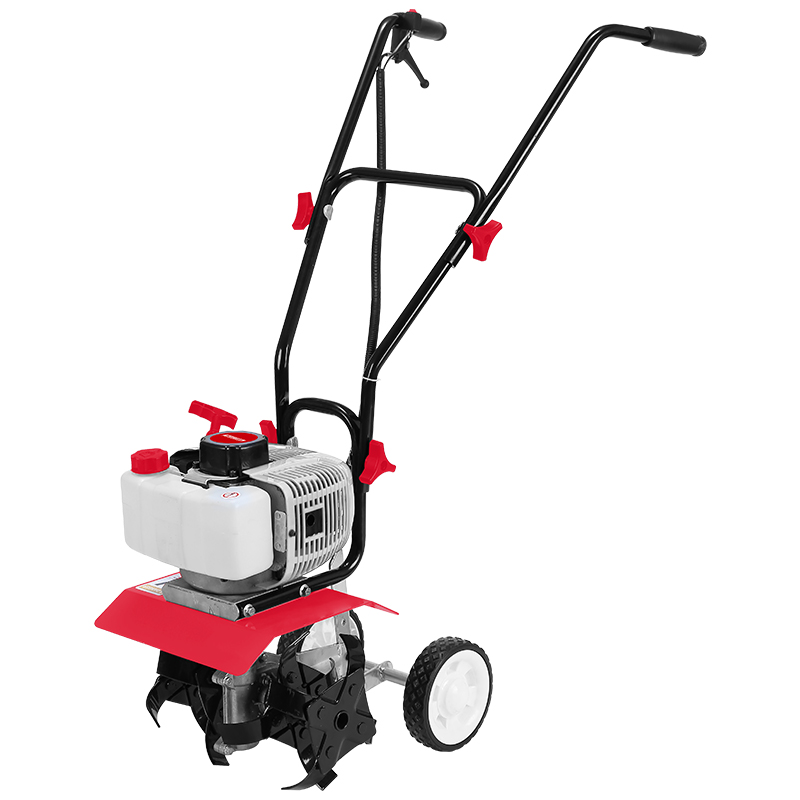 Tiller
 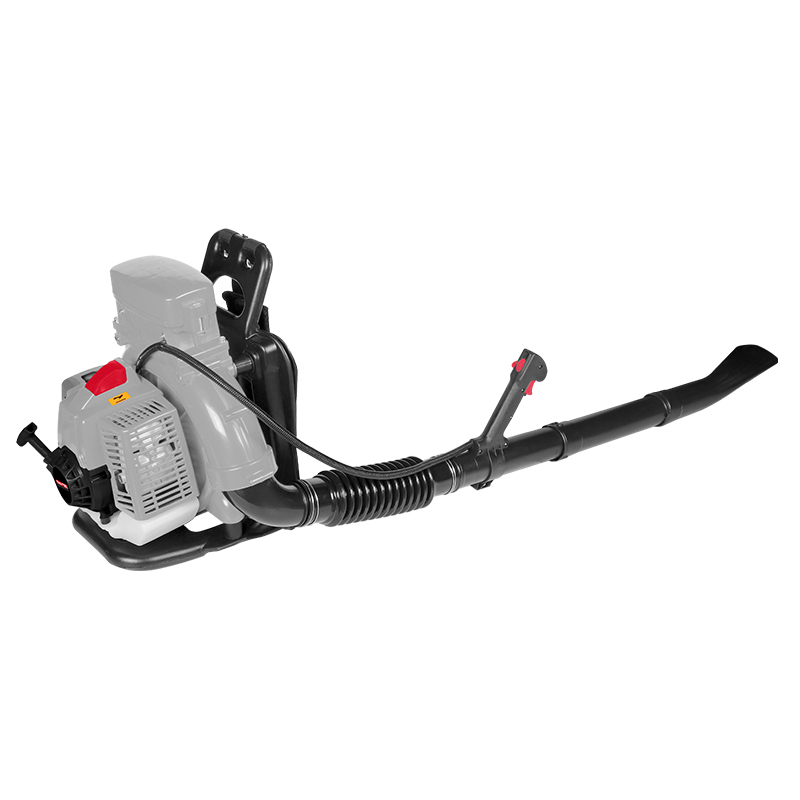 Blower
 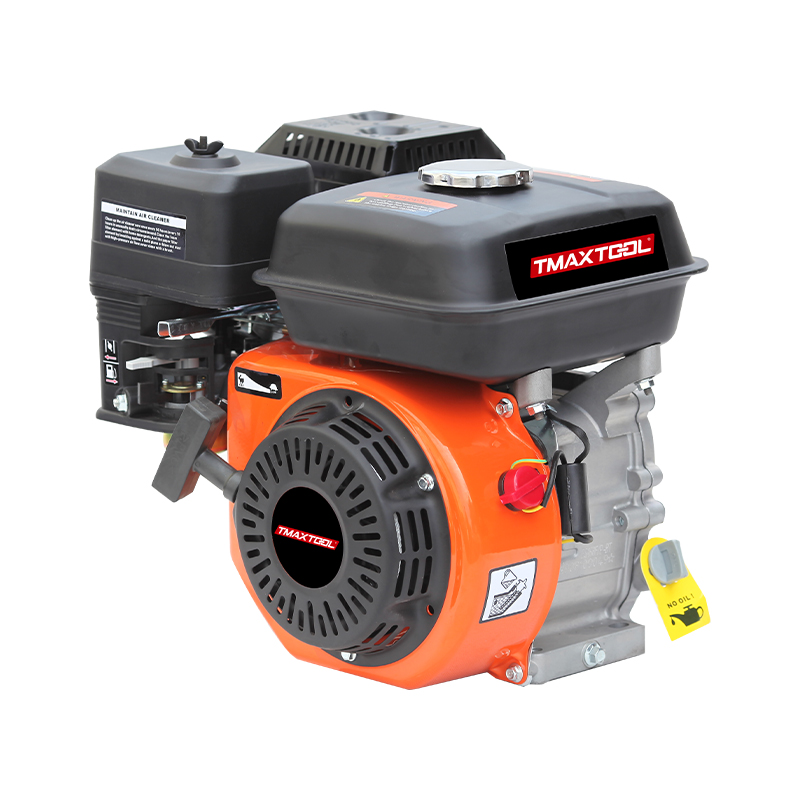 4 Stroke Gasoline Engine
 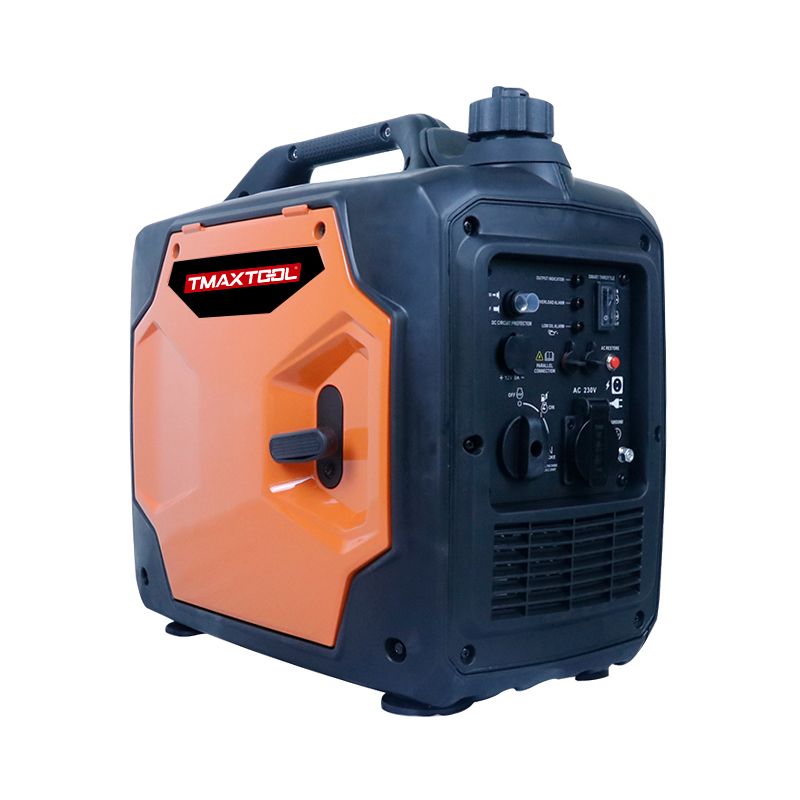 Generator
 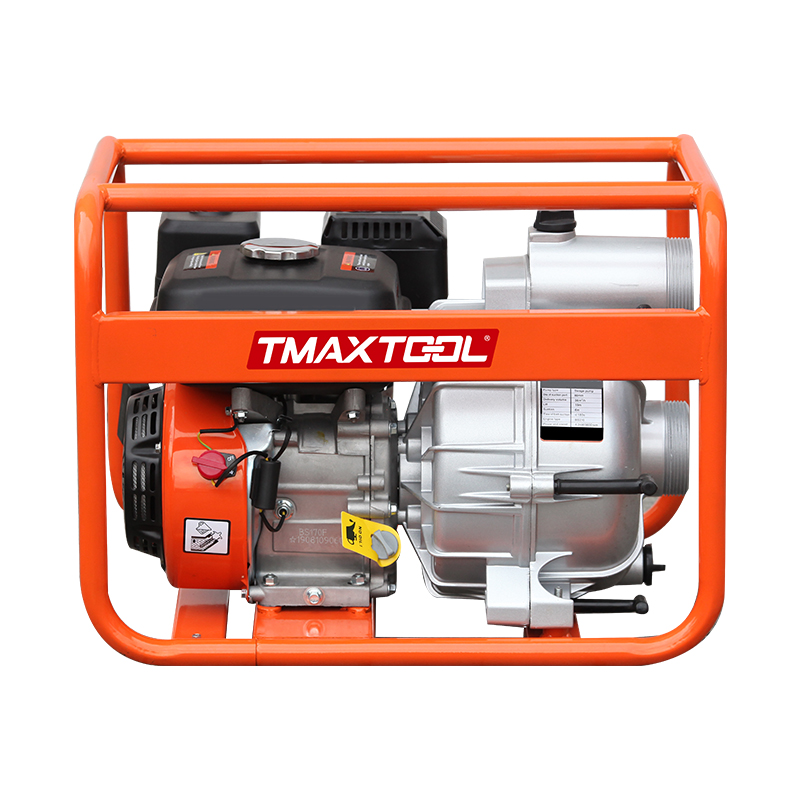 Water Pump
 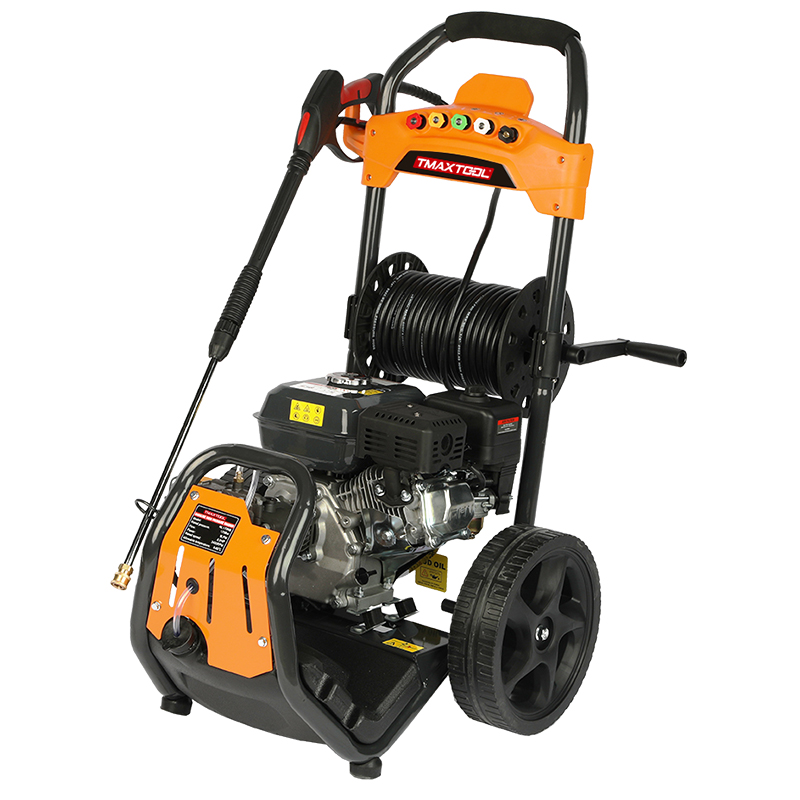 High Pressure Washer
 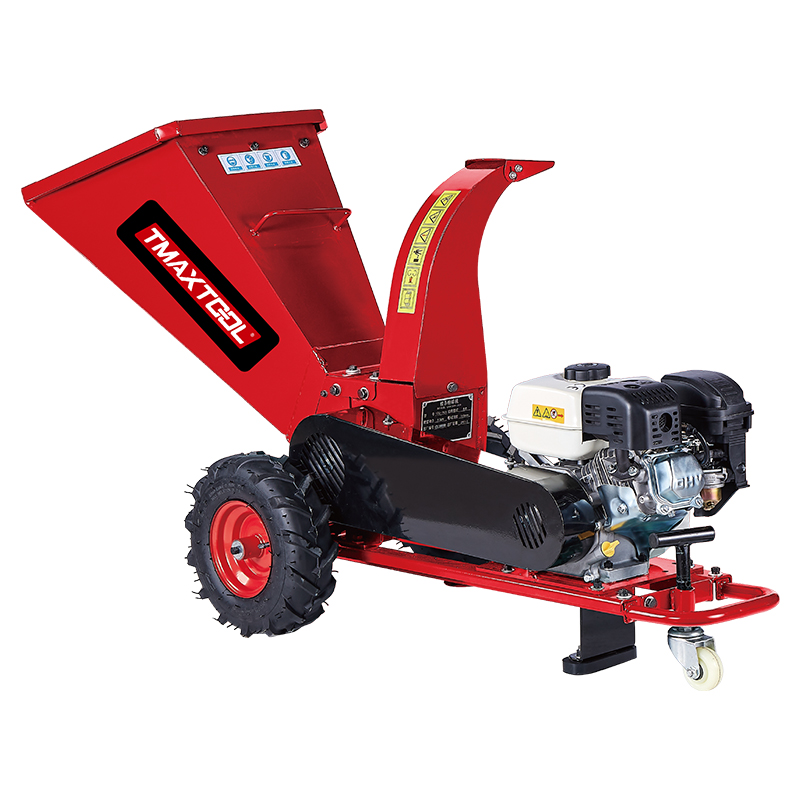 Wood Cutter
 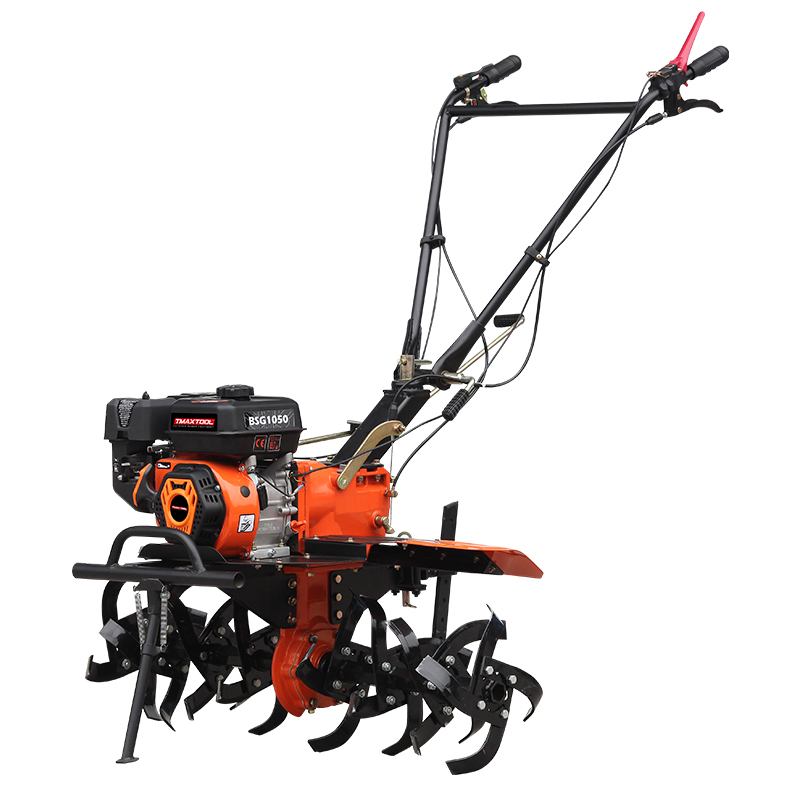 4 Stroke Tiller
 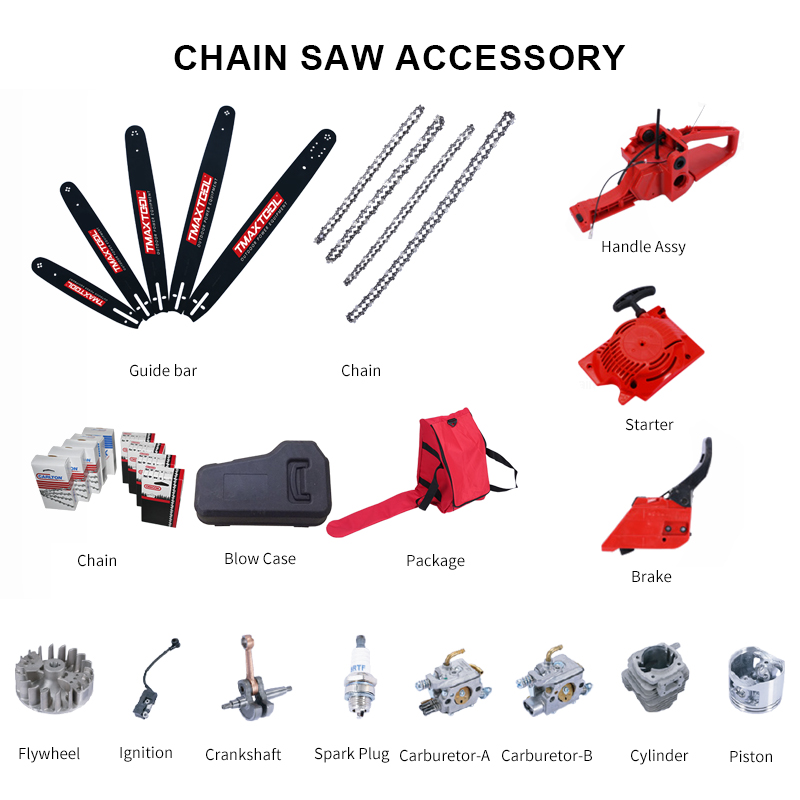 Chain Saw Accessory
 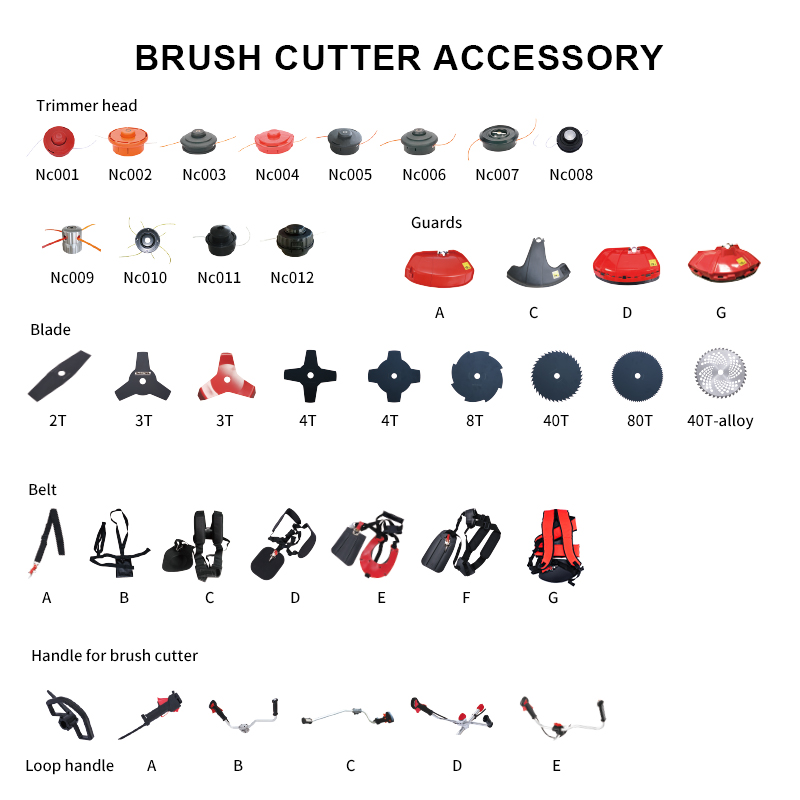 Brush Cutter Accessory
 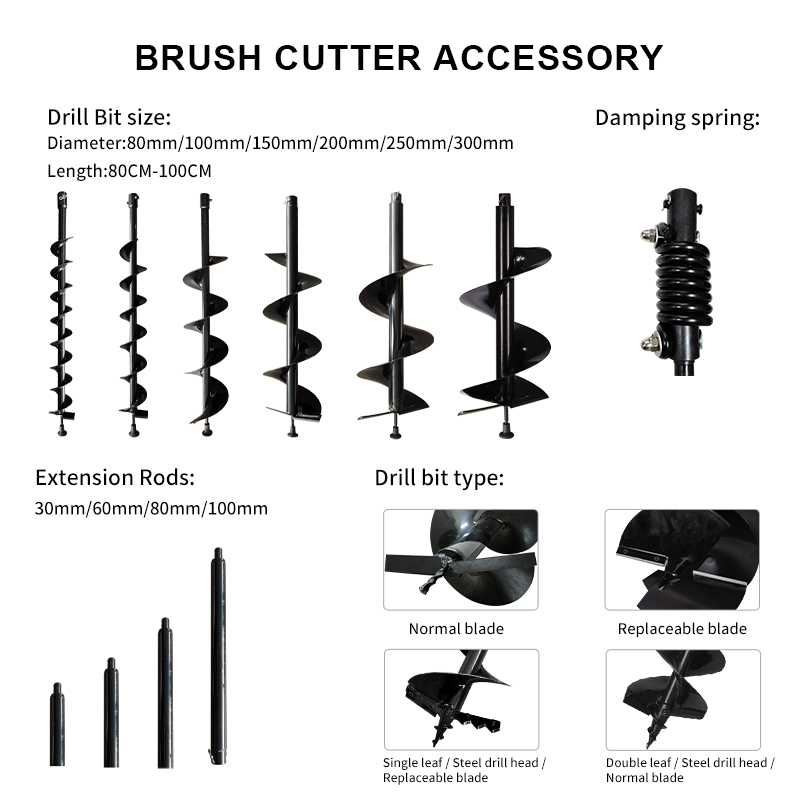 Earth Auger Accessory
 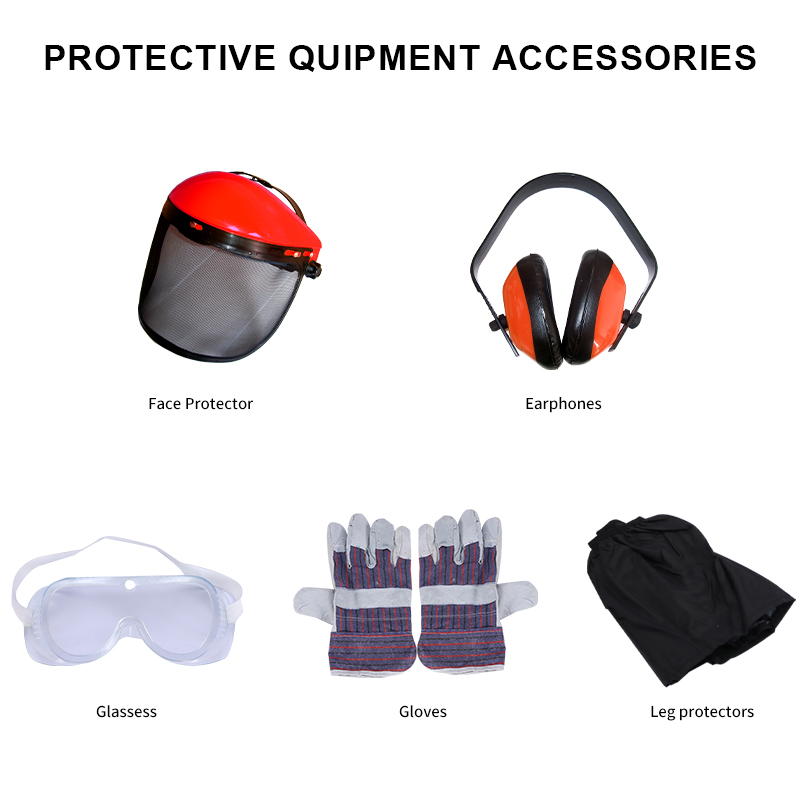 Protective Equipment Accessories
Leave Your Message


How to avoid common injuries during the use of brush cutter
Common types of injuries during the use of lawn mowers
1.1 Splashing injury
During the operation of the lawnmower, the blades rotate at high speed, which will pick up small stones, branches, metal fragments and other debris on the ground and throw them out at high speed. The speed of these splashes can be as high as over 100 kilometers per hour and they have an extremely strong impact force. For example, when a small stone is thrown, it may hit the operator's face, eyes or other parts of the body, causing serious injury. According to statistics, in lawn mower accidents, injuries caused by splashes account for a considerable proportion, among which eye injuries are particularly common, which may lead to vision impairment or even blindness. To prevent injuries from splashing objects, it is recommended to wear goggles and a protective face shield when using a lawnmower, and at the same time ensure that there are no debris in the working area, or use a lawnmower with a protective cover.
1.2 Cut accident
The blades of a lawnmower are sharp and rotate fast. If not operated properly, the blades may come into contact with the human body, causing cuts. Cutting accidents usually occur when the operator is trying to clear clogged grass shavings, adjust the blade height or operate when the machine has not come to a complete stop. According to relevant research, among the cutting accidents caused by lawn mowers, the hands and feet are the most vulnerable parts. Hand cuts often occur when operators clean up debris near the blades with their hands, while foot cuts may be caused by improper dressing, such as not wearing protective shoes or accidentally bringing feet close to the blades while the machine is running. To reduce the risk of cuts, the operator should not carry out any cleaning or adjustment work until the lawnmower has come to a complete stop, and should wear appropriate protective equipment such as thick gloves and protective shoes during operation.
1.3 Mechanical Injury
The mechanical structure of a lawnmower is complex. Besides the blades, there are many other components that may cause harm to the operator during operation. For instance, when the belt, chain and gears and other components of a lawnmower are running at high speed, if the operator's clothes or body parts are accidentally caught, it may cause serious mechanical injuries. In addition, the engine and exhaust system of the lawn mower are at a very high temperature during operation. Touching these parts may cause burns. According to accident statistics, mechanical injuries also account for a certain proportion in lawn mower accidents, and the injuries are often quite serious. To avoid mechanical injuries, the operator should maintain an appropriate distance when using the lawnmower, keep body parts away from the moving components, and ensure that the machine has come to a complete stop and the power supply is cut off during maintenance and repair.
1.4 Risk of Electric Shock
There is a risk of electric shock during the operation of electric lawn mowers. If the power cord of the lawnmower is damaged, the leakage protection device fails, or the operator uses the lawnmower in a humid environment, it may lead to an electric shock accident. Electric shock not only causes serious harm to the human body, but may even endanger life. According to the report of the safety agency, there are electric shock accidents caused by improper use of electric lawn mowers every year. To prevent the risk of electric shock, the power cord of the lawn mower should be checked regularly to ensure there is no damage or aging. At the same time, when using an electric lawn mower, avoid operating on damp grass and ensure that the leakage protection device is in normal working condition.
1.5 Noise Hazards
Lawn mowers generate considerable noise when in operation. Long-term exposure to a high-noise environment can cause damage to hearing. According to research, the noise level of lawn mowers is usually above 85 decibels. Long-term exposure to a noise environment with noise levels exceeding 85 decibels may lead to hearing loss or even permanent hearing impairment. In addition, high noise may also cause problems such as headaches, fatigue and inattention. To reduce the harm of noise, it is recommended that operators wear earplugs or earmuffs and other hearing protection devices when using lawn mowers, and try to minimize exposure time in high-noise environments.

2. Preventive measures for splash-induced injuries
2.1 Wear protective equipment
When using a lawnmower, wearing appropriate protective equipment is one of the key measures to prevent injuries from splashes. Goggles and protective face shields can effectively protect the eyes and face from being hit by high-speed splashing debris. According to statistics, in over 70% of lawn mower splash injury accidents, the injured did not wear any eye protection devices. Goggles should be selected from products that meet safety standards and can withstand a certain intensity of impact. In addition, protective face masks can provide more comprehensive protection and prevent splashes from coming into contact with facial skin. In addition to eye protection, wearing long-sleeved clothes and long pants can also reduce the damage caused by splashes to other parts of the body. Thick clothing can block the impact of small stones and other debris, reducing the risk of injury. At the same time, choosing a lawnmower with a protective cover can also effectively reduce the generation of splashes. The protective cover can limit the debris rolled up by the blades within a certain range, preventing it from being thrown out at high speed.
2.2 Clean up the operation area
Before starting mowing, cleaning the working area is an important step to prevent injuries from splashes. Checking and removing small stones, branches, metal fragments and other debris on the ground can greatly reduce the possibility of splashing. According to a study on lawn mower accidents, the probability of splashing injury accidents in the cleaned operation area is 60% lower than that in the uncleaned area. When cleaning the operation area, special attention should be paid to those easily overlooked corners, such as the edges of grass and near tree roots. These places are prone to accumulate debris. Once they are lifted up by the lawn mower blades, it may cause serious splashing injuries. In addition, during the cleaning process, tools should be used instead of picking up debris directly by hand to avoid accidental injuries. For larger debris such as bricks or large stones, they should be moved to a place far away from the operation area to ensure that the lawnmower does not come into contact with these objects during operation.
2.3 Control the mowing speed
Controlling the operating speed of the lawnmower is also crucial for preventing injuries caused by splashes. Too fast a mowing speed will cause the debris rolled up by the blade to move faster and have a greater impact force, thereby increasing the risk of injury from splashes. Generally speaking, the operating speed of a lawnmower should be adjusted according to the terrain of the working area and the density of the grass. In areas with thick grass or complex terrain, the mowing speed should be appropriately reduced to minimize the possibility of the blade curling up debris. According to the experimental data, when the speed of the lawnmower is reduced by 30%, both the speed and quantity of the splashes can be significantly decreased. In addition, the operator should maintain a stable mowing speed and avoid sudden acceleration or deceleration, which helps to better control the generation of splashes. When operating a lawn mower, one should always pay attention to the surrounding environment and flexibly adjust the mowing speed according to the actual situation to ensure safety.
3. Methods to prevent cut accidents
3.1 Operate the lawn mower correctly
Most cutting accidents are caused by improper operation. Therefore, operating the lawn mower correctly is the key to preventing cuts. When operating a lawnmower, strictly follow the operation steps and safety guidelines in the user manual. Before starting the lawnmower, make sure all safety devices are in normal working condition, such as protective covers, clutches, etc. According to research, lawn mowers equipped with complete safety devices and used correctly can reduce the incidence of cutting accidents by more than 80%.
During the mowing process, the operator should always keep both hands tightly grasping the operation handle to avoid the mower losing control due to improper operation. When it is necessary to clear the clogged grass shavings or adjust the height of the blades, the lawn mower must be stopped steadily first. Wait until the blades have completely stopped rotating before proceeding with the operation. According to statistics, 40% of cutting accidents occur when operators clean or adjust the machine before it comes to a complete stop. In addition, operators should avoid using lawnmowers on steep slopes or slippery ground to prevent them from losing balance and causing the lawnmower to tip over, increasing the risk of cuts.
3.2 Wear appropriate protective clothing
Wearing appropriate protective clothing is crucial for preventing cut accidents. When operating a lawnmower, thick and tight work clothes should be chosen. Avoid clothes that are too long or too loose to prevent them from being drawn into the blades or other moving parts of the machine. Long-sleeved work clothes can effectively protect the arms from being cut by blades. At the same time, thick gloves should be worn. Gloves can not only protect the hands from cuts but also provide better grip and enhance the stability of the operation. According to a study on lawn mower operators, the probability of hand cuts for operators wearing thick gloves is 90% lower than that for those not wearing gloves.
In addition, choosing the right protective shoes is also very important. Protective shoes should have the functions of anti-slip and anti-puncture, and be able to protect the feet from being injured by blades. When operating a lawnmower, avoid wearing inappropriate shoes such as sandals, slippers or sports shoes, as these shoes cannot provide sufficient foot protection. According to the investigation, among the foot cut accidents caused by lawn mowers, 70% of the operators did not wear protective shoes.
3.3 Check the condition of the blade
The condition of the blade directly affects the safety of the lawn mower. Before using the lawn mower, a comprehensive inspection of the blades should be carried out. Make sure the blade is firmly installed without any signs of looseness or damage. Loose blades may fall off when rotating at high speed, causing serious injury. If the blade is found to be damaged or severely worn, it should be replaced in time. Worn blades not only affect the mowing effect but may also increase the risk of cuts. According to the experimental data, worn blades generate more vibration and noise during operation and are more prone to accidents, resulting in a 50% higher incidence of cutting accidents than blades in normal use.
When replacing the blade, strictly follow the steps in the user manual to ensure that the blade is installed correctly. After installation is completed, the tightness of the blade should be checked again to ensure that it does not loosen during operation. Regular inspection and maintenance of the blades can not only effectively prevent the occurrence of cutting accidents, but also extend the service life of the lawn mower and improve work efficiency.
4. Key points to avoid mechanical injuries
4.1 Keep a safe distance
When a lawnmower is in operation, its blades, belts, chains and gears and other components are in a state of high-speed rotation, and these components pose extremely high risks. The operator should always maintain an appropriate safety distance and avoid having body parts approach these moving components. According to the recommendations of the safety agency, the minimum safe distance between the operator and the moving parts of the lawn mower should be maintained at more than 30 centimeters. This distance can effectively reduce the risk of mechanical injury caused by accidental contact with moving parts. For instance, when operating a push-type lawn mower, the operator should ensure that both hands are tightly held onto the operating handle, and keep a sufficient distance from the mower's blades, belts and other components to prevent excessive forward leaning or bending during operation, which may cause clothes or body parts to get caught in the moving parts. In addition, when performing lawn mowing operations, one should avoid staying on the side or rear of the lawn mower for too long, as these positions also carry the risk of being drawn in by moving parts. Maintaining a safe distance not only effectively prevents mechanical injuries but also enhances the safety and stability of operations.
4.2 Regularly maintain the equipment
Regular maintenance of lawn mowers is one of the important measures to avoid mechanical damage. Through regular inspection and maintenance, potential faults and hidden dangers can be detected and repaired in a timely manner, ensuring that the lawn mower is in good working condition. First of all, the blades of the lawn mower should be inspected regularly to ensure they are firmly installed and undamaged. The blade is a key component of the lawn mower. If the blade is loose or damaged, it will not only affect the mowing effect but also may fall off during operation, causing serious mechanical injury. According to the manufacturer's recommendation, the tightness of the blade should be checked before each use, and severely worn blades should be replaced regularly. Secondly, it is necessary to inspect the transmission components of the lawn mower such as the belt, chain and gears to ensure that their tension is moderate and there is no wear or damage. These components are subjected to considerable tension and friction during operation. If wear or damage occurs, it may lead to poor operation or breakage, which in turn may cause mechanical injury. Regularly inspecting the wear and tear of these components and making timely adjustments or replacements can effectively reduce the risk of mechanical injury. In addition, regular maintenance should be carried out on the engine, exhaust system and electrical system of the lawn mower to ensure their normal operation. The engine and exhaust system are at a very high temperature during operation. Touching these parts may cause burns. Regularly checking the sealing and heat dissipation performance of these systems can prevent scalding accidents caused by leakage or overheating of high-temperature components. For electric lawn mowers, the power cord and leakage protection device should be inspected regularly to ensure they are in good condition and prevent electric shock accidents caused by leakage or damage to the power cord. Regular maintenance of lawn mowers can not only extend the service life of the equipment but also effectively ensure the personal safety of the operators.
4.3 Comply with the operation norms
Strictly adhering to the operation norms of lawnmowers is the key to avoiding mechanical injuries. When using the lawnmower, the operator should carefully read and keep in mind the safety guidelines and operation steps in the user manual. Before starting the lawn mower, it is necessary to ensure that all safety devices are in normal working condition, such as protective covers, clutches, etc. The protective cover can effectively prevent the debris lifted by the blade from splashing, and at the same time protect the operator from injury to the moving parts. According to research, lawn mowers equipped with complete safety devices and used correctly can reduce the incidence of mechanical injury accidents by more than 80%. During the mowing process, the operator should always keep both hands tightly grasping the operation handle to avoid the mower losing control due to improper operation. When maintenance, repair or clearance of blockages is required, the lawn mower must be stopped steadily first, and the power supply should be cut off or the engine turned off. Wait until all moving parts have completely stopped before proceeding with the operation. According to statistics, 40% of mechanical injury accidents occur when operators clean or adjust the machine before it has come to a complete stop. In addition, operators should avoid using lawnmowers on steep slopes, slippery or unstable ground to prevent loss of balance, which may cause the lawnmower to tip over and increase the risk of mechanical injury. When operating a lawnmower, one should also pay attention to the surrounding environment and avoid working in areas where people or animals pass by to prevent harm to others or animals. Adhering to operation norms can not only effectively prevent mechanical injuries, but also improve the efficiency and quality of lawn mowing operations, ensuring the safety of operators and surrounding personnel.
