
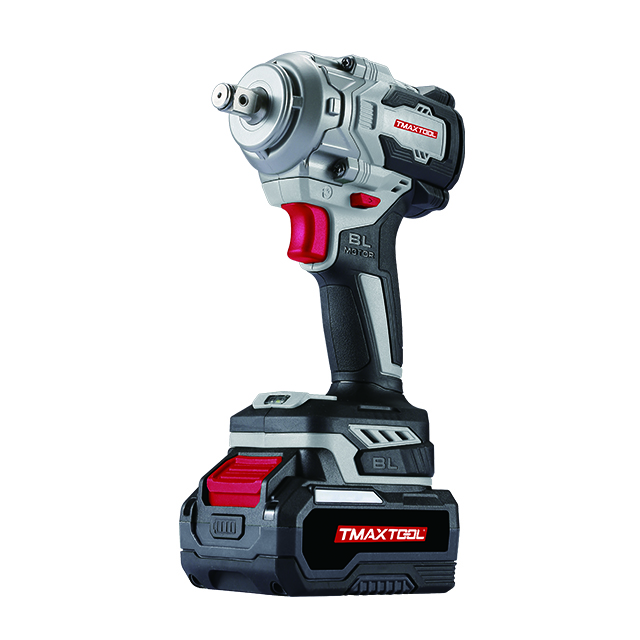
 Impact Wrench
 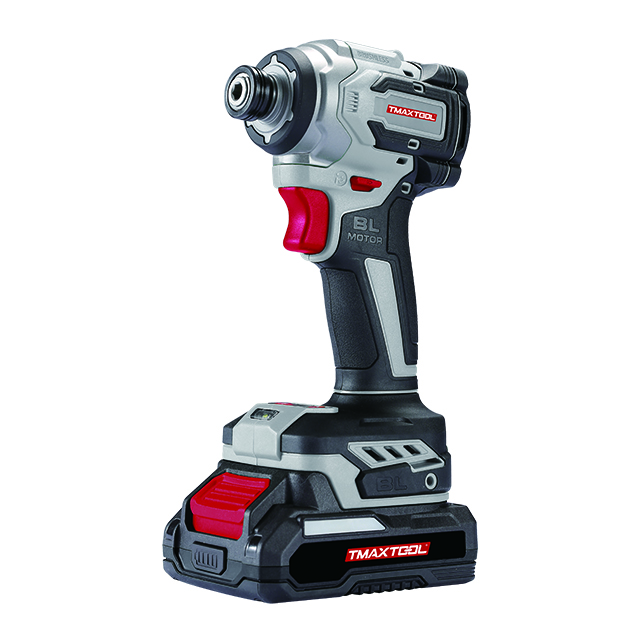 Screwdriver
 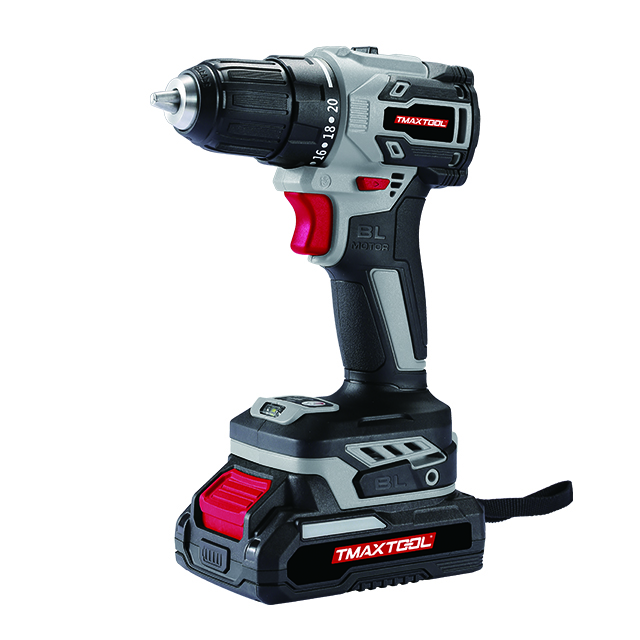 Cordless Drill
 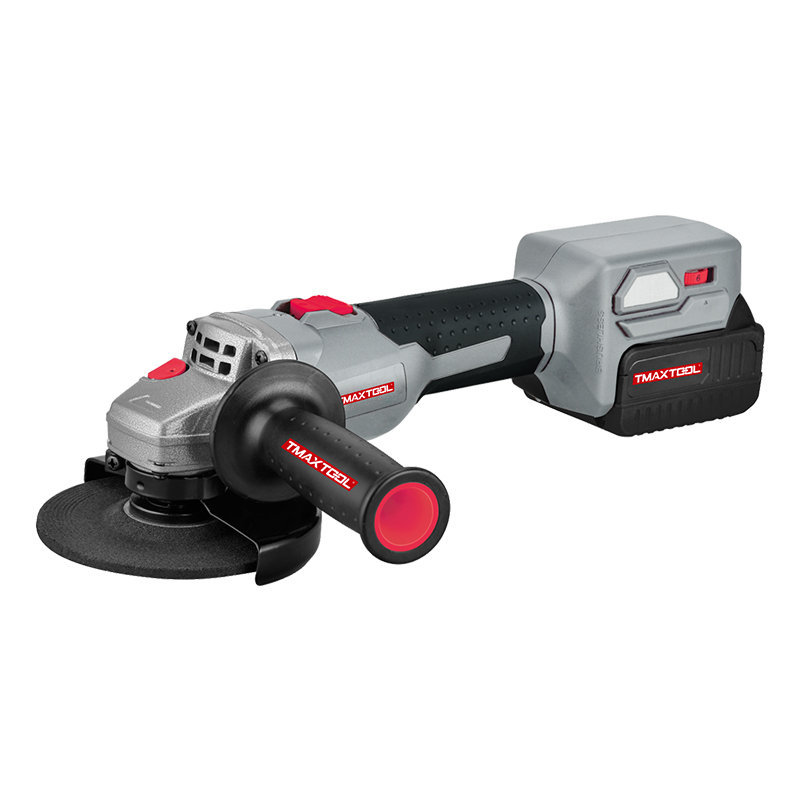 Angle Grinder
 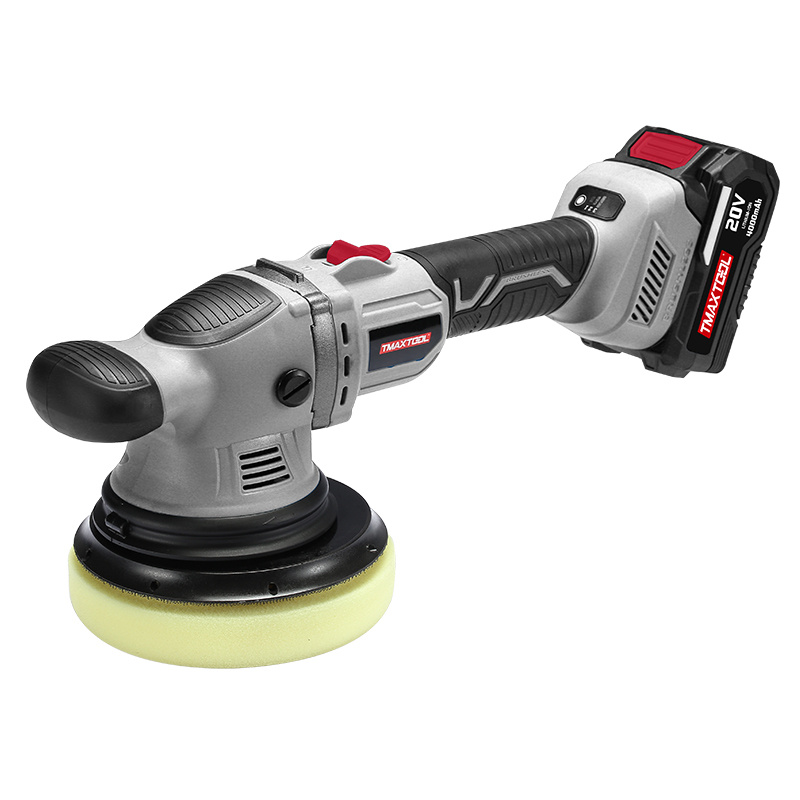 Polisher
 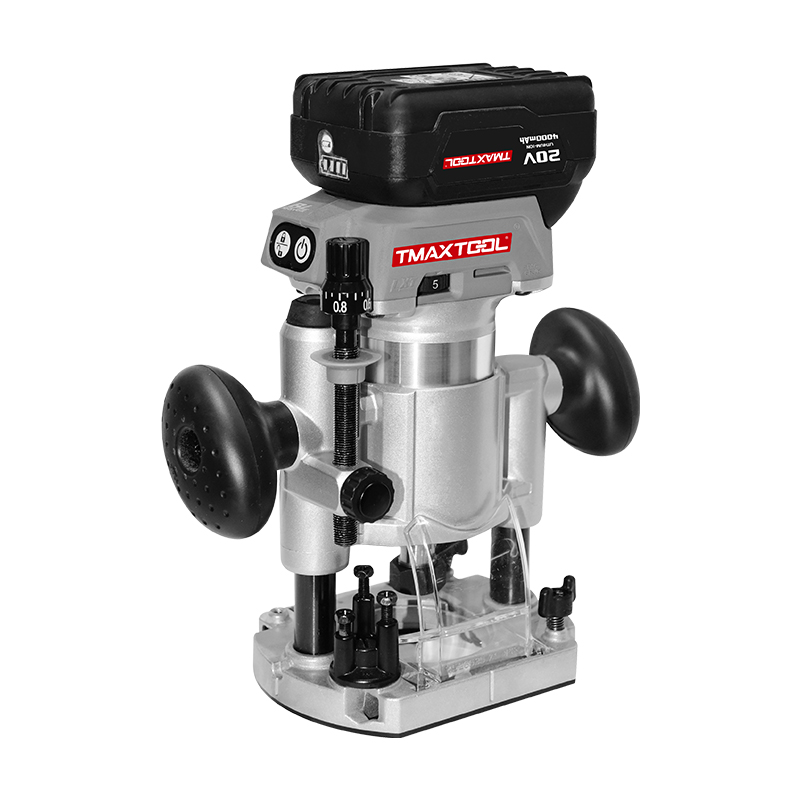 Wood Router
 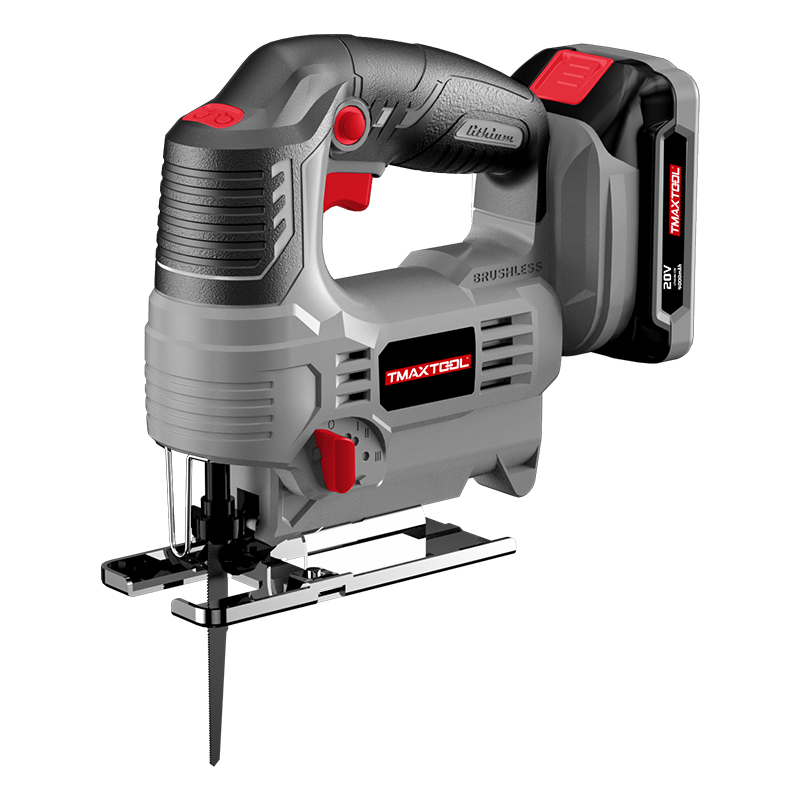 Jig Saw
 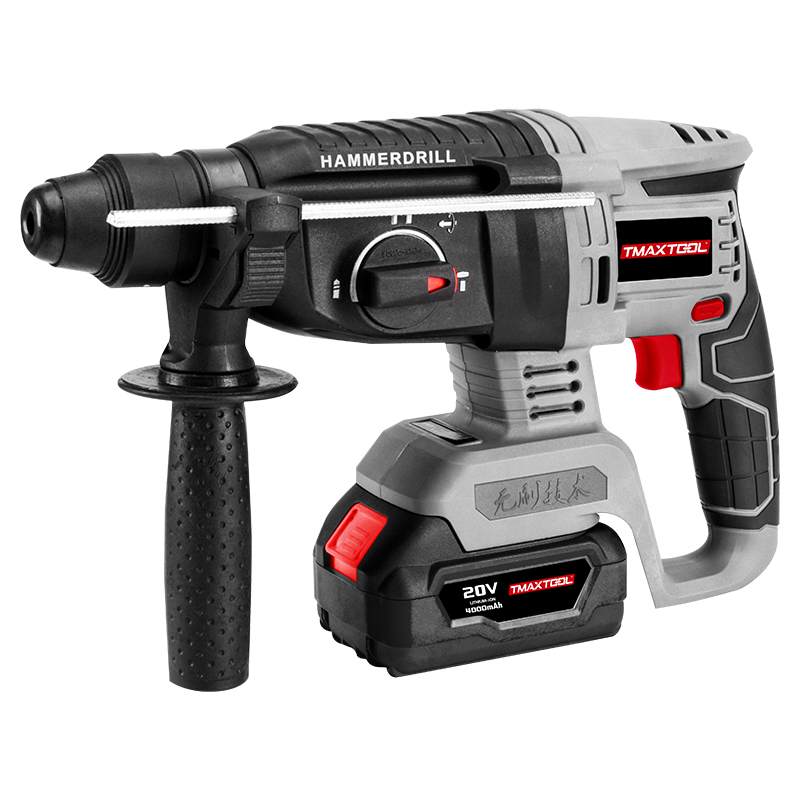 Hammer Drill
 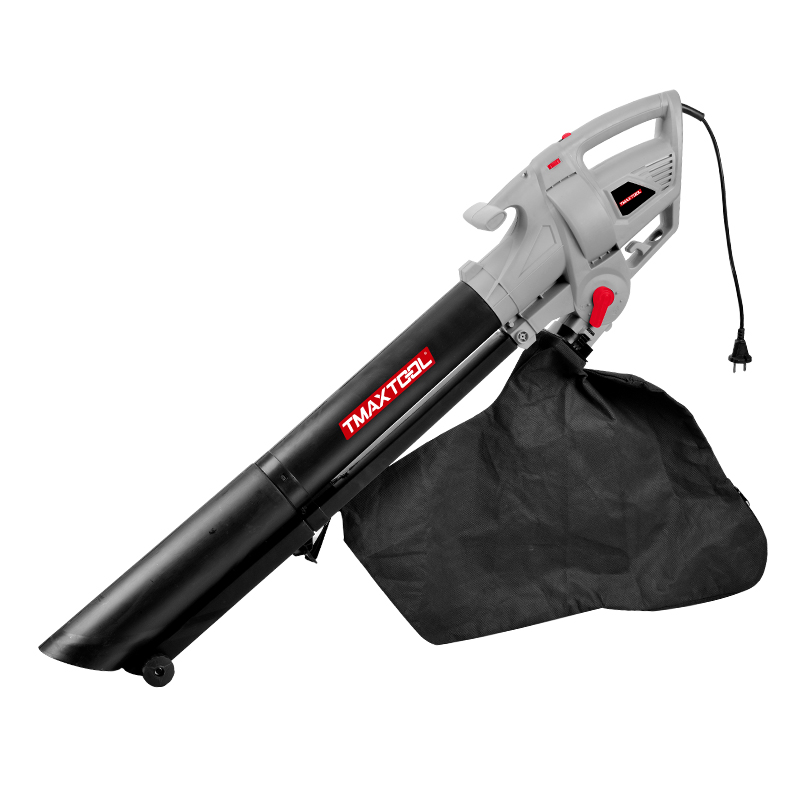 Portable Blower
 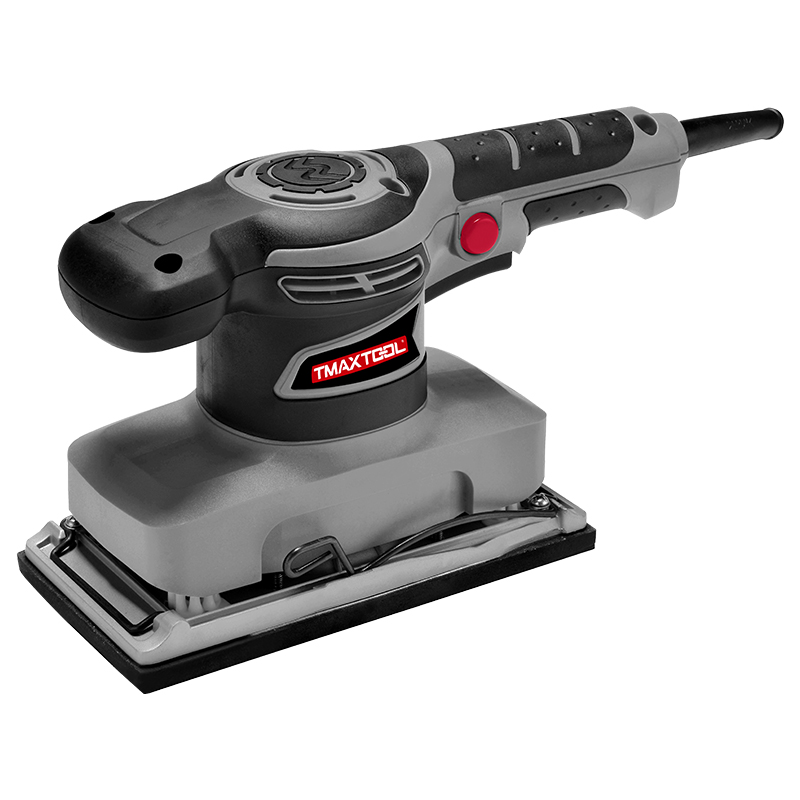 Orbital Sander
 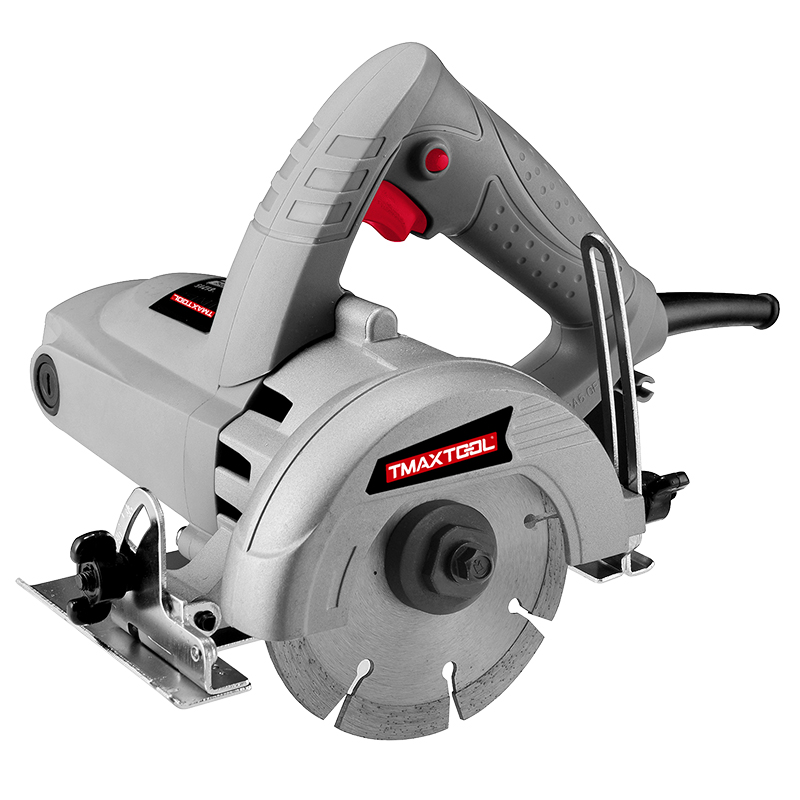 Marble Cutter
 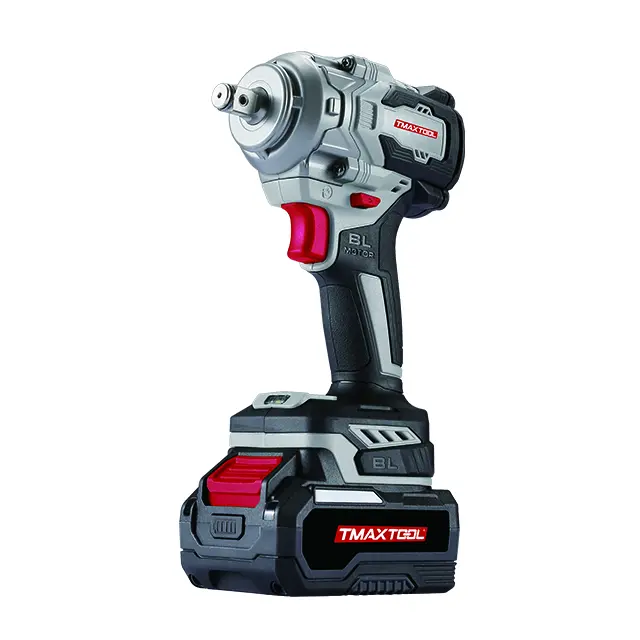 GARDEN TOOLS
 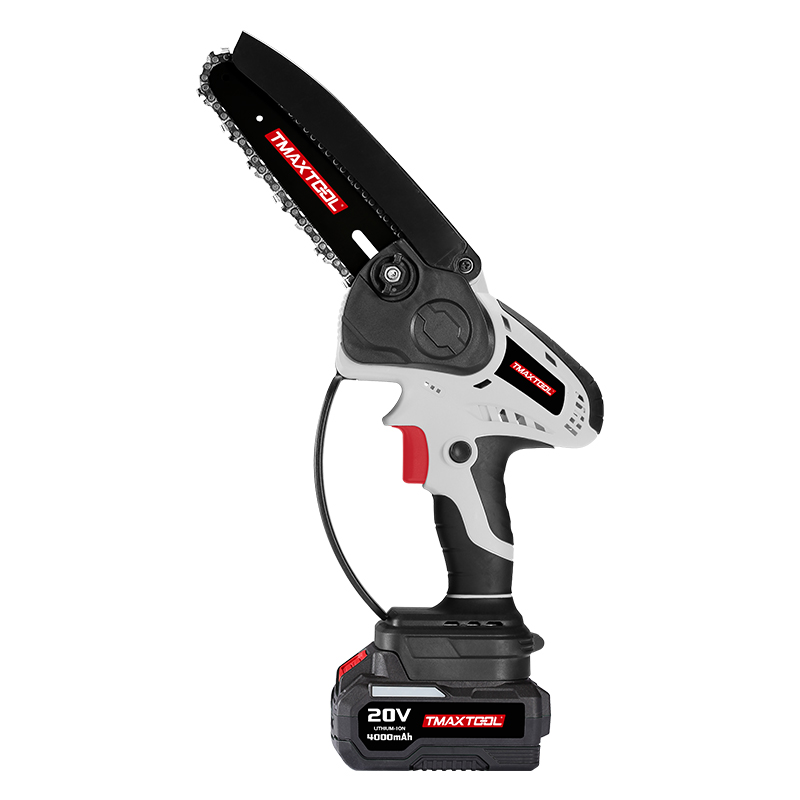 Battery Chain Saw
 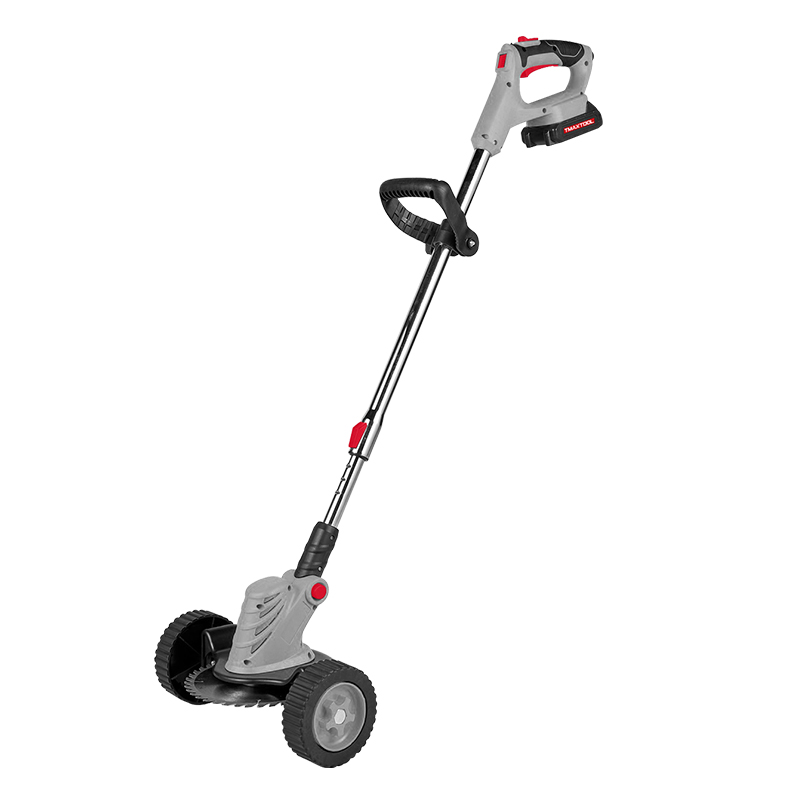 Battery Brush Cutter
 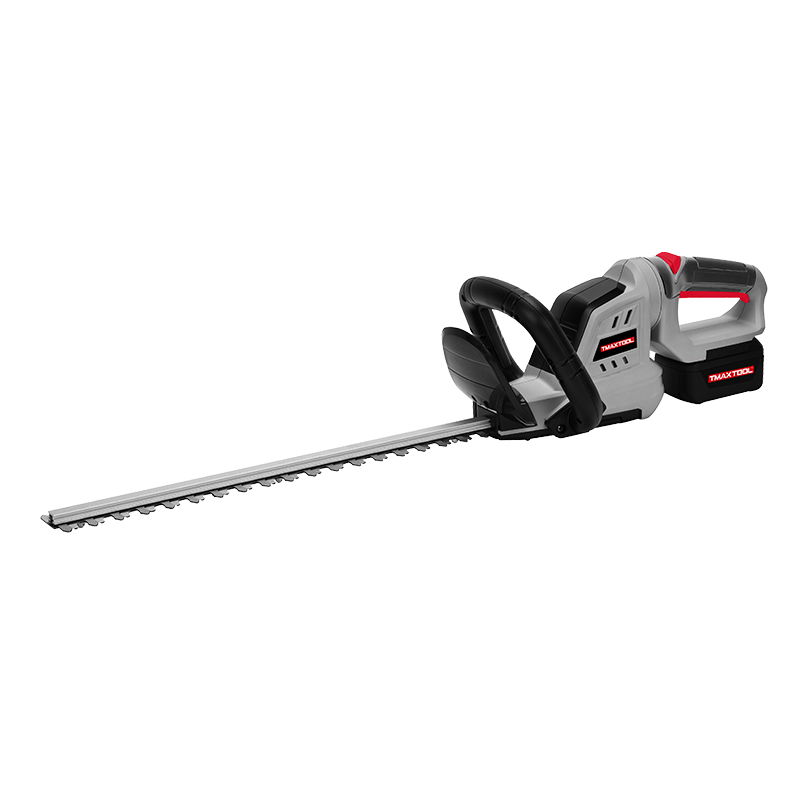 Battery Hedge Trimmer
 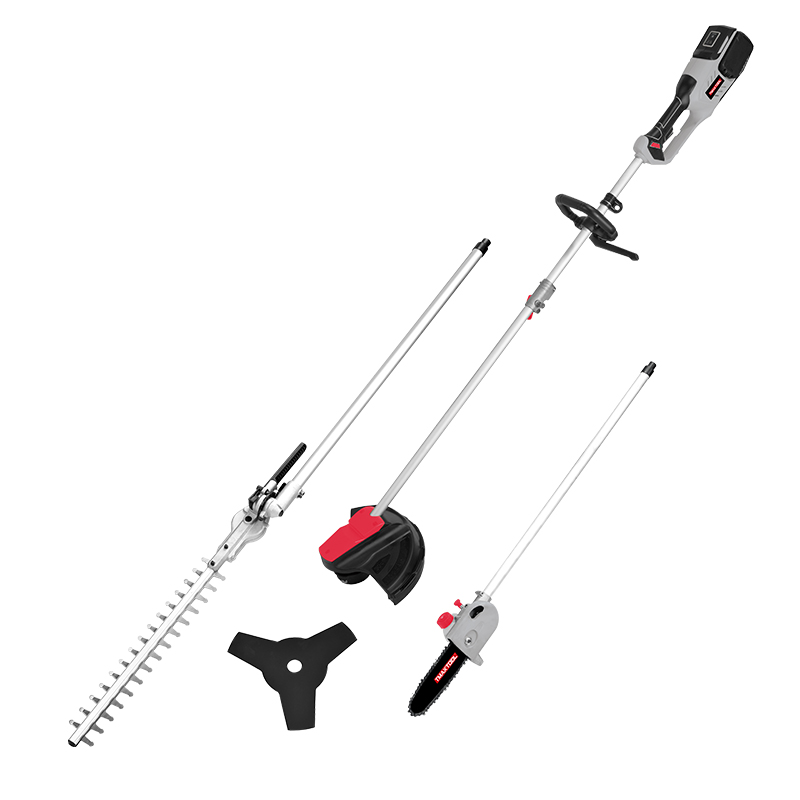 Battery Multi Tool
 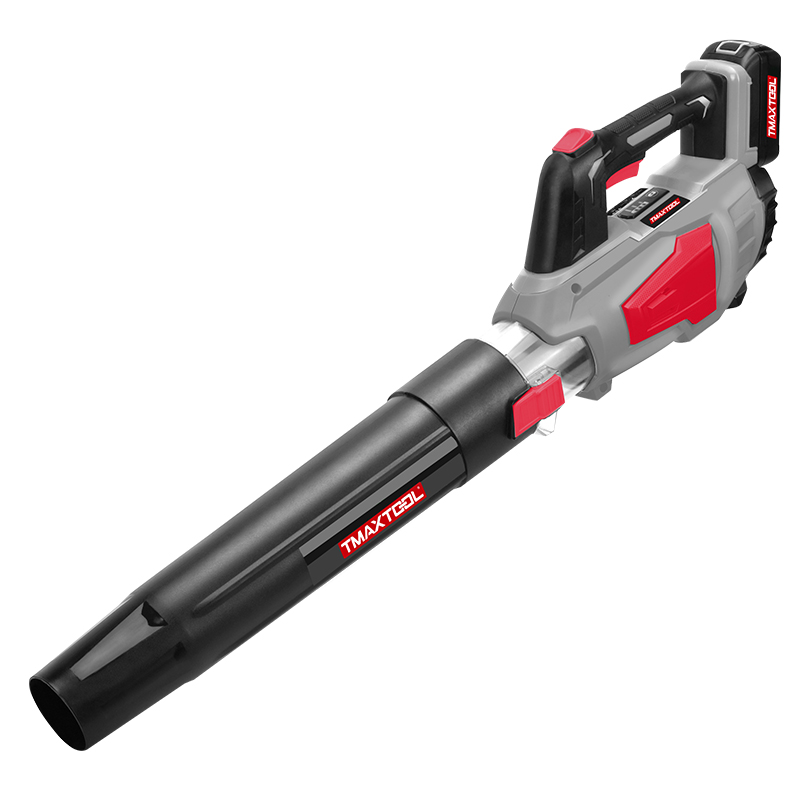 Battery Blower
 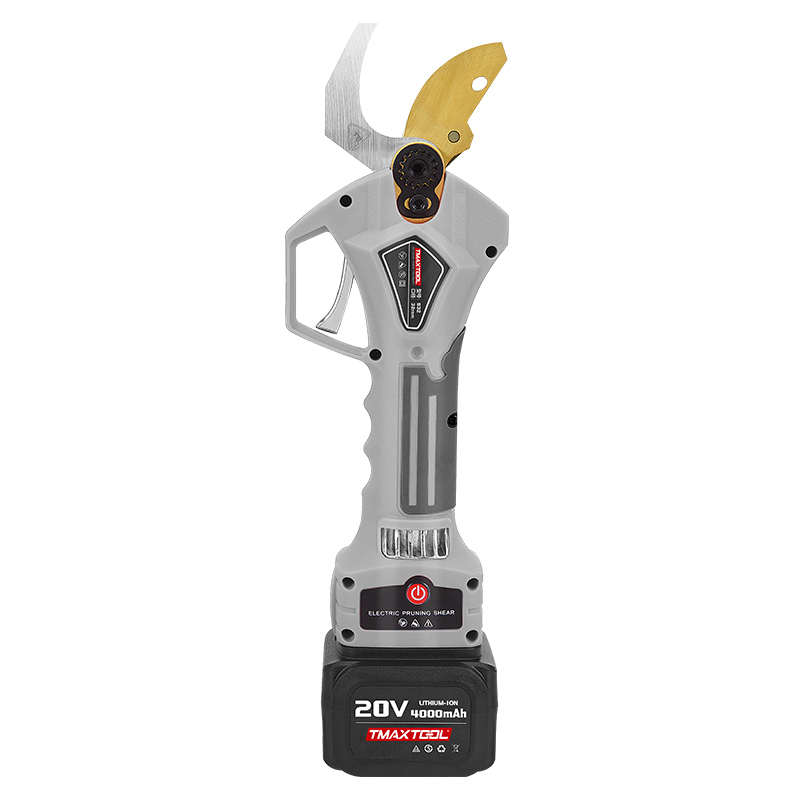 Batter Pruning Shears
 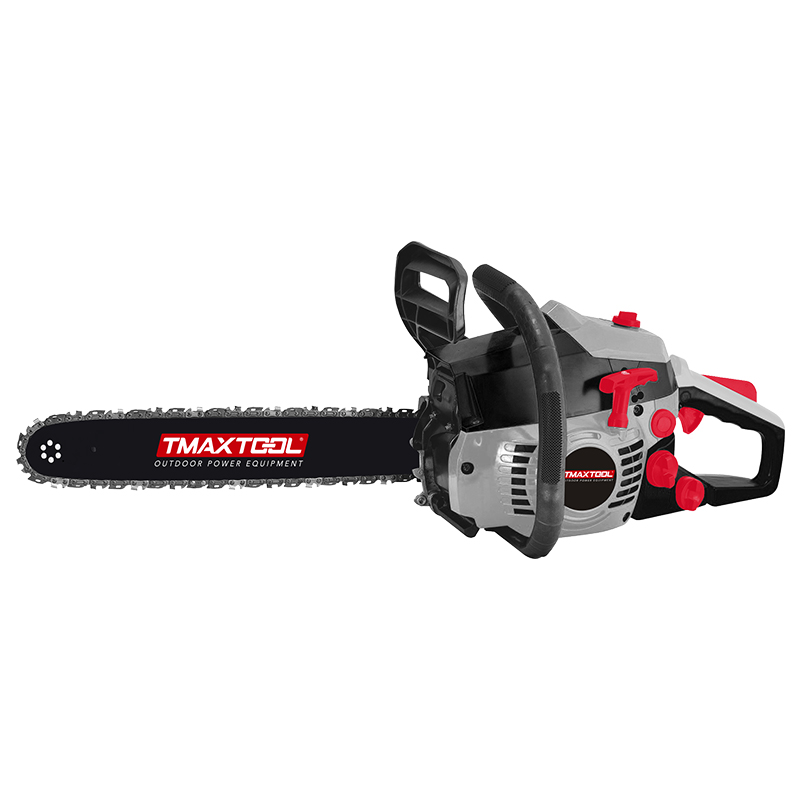 Chain Saw
 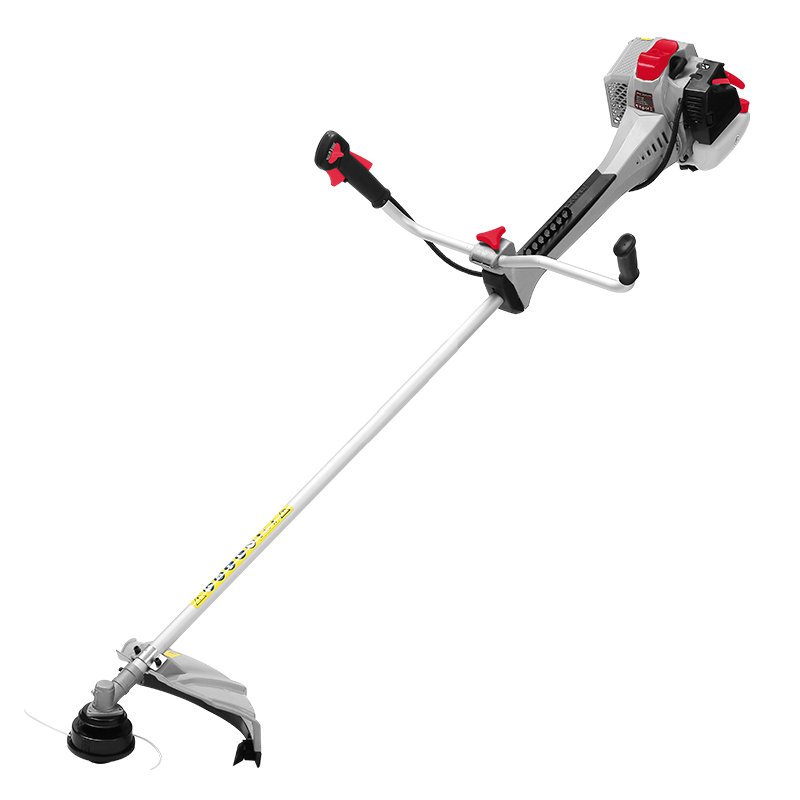 Brush Cutter
 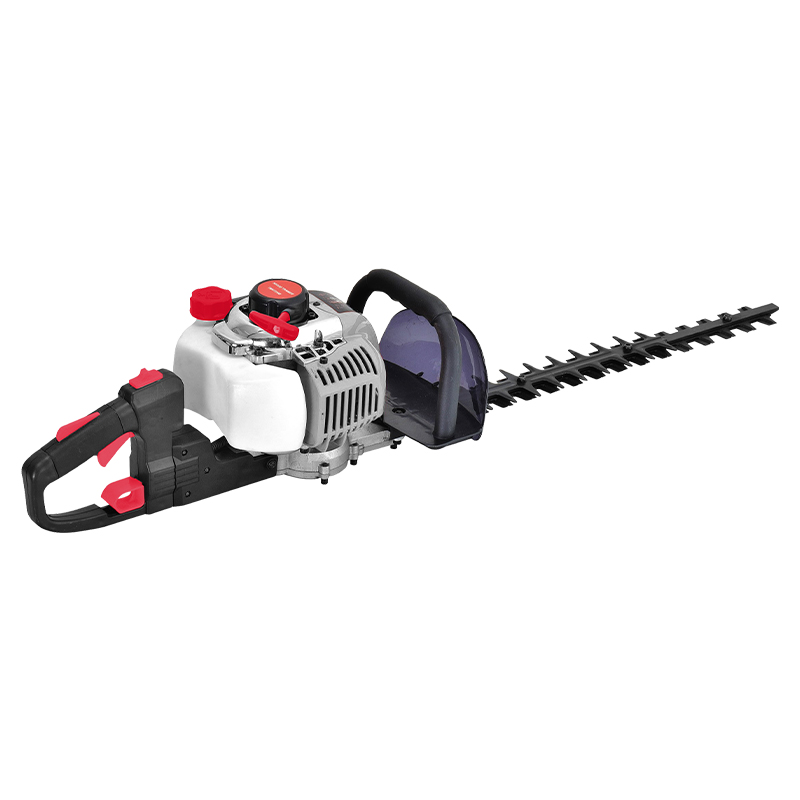 Hedge Trimmer
 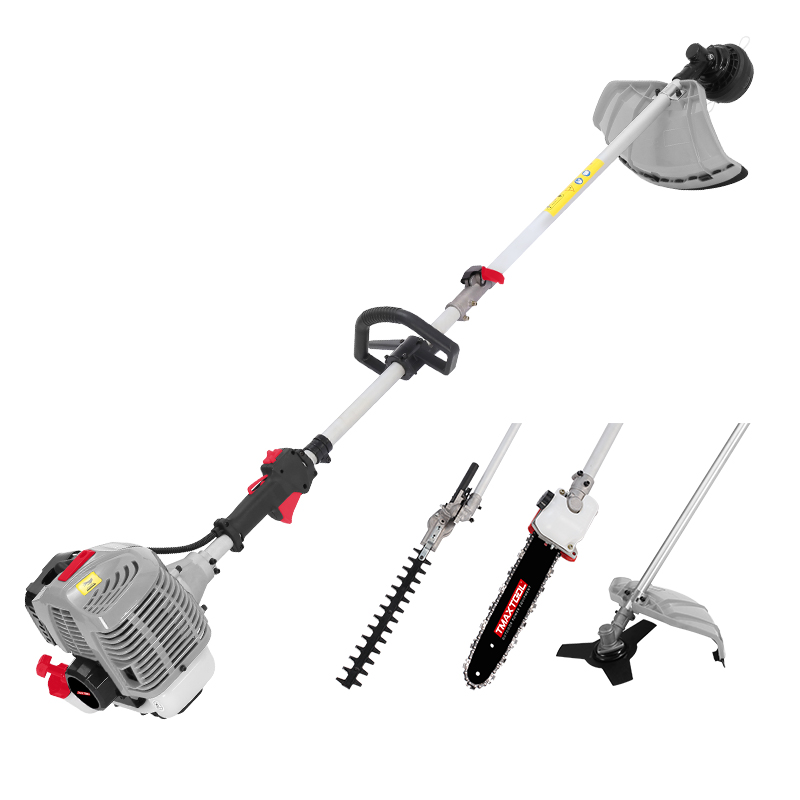 Multi Tool
 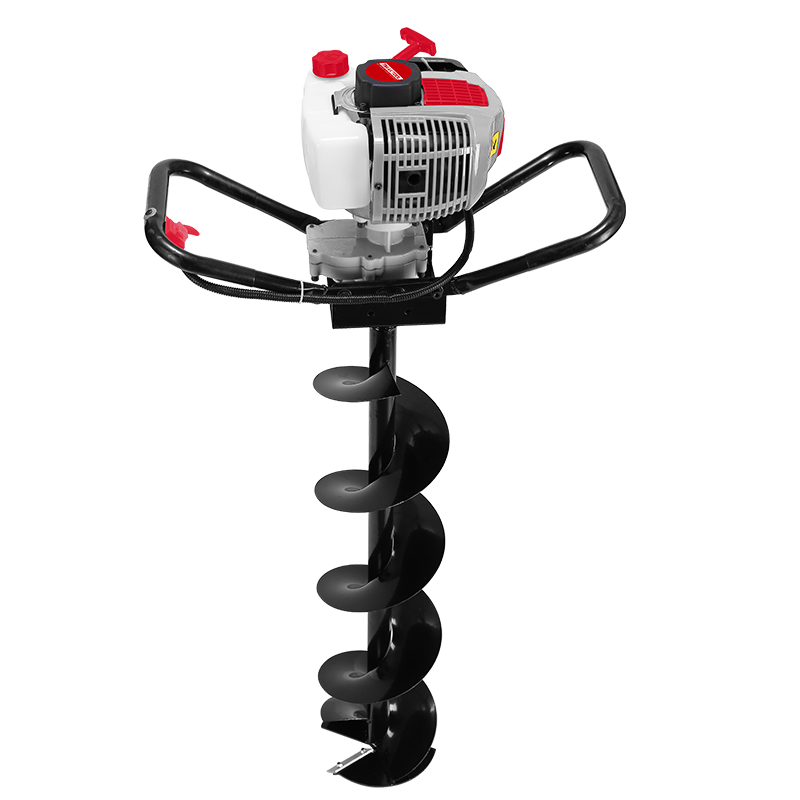 Earth Auger
 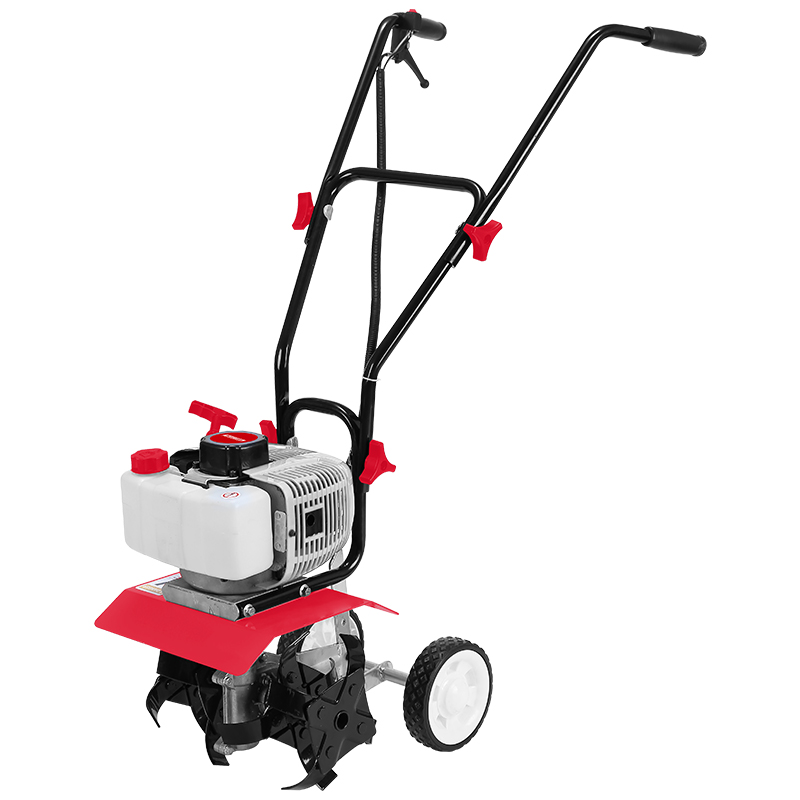 Tiller
 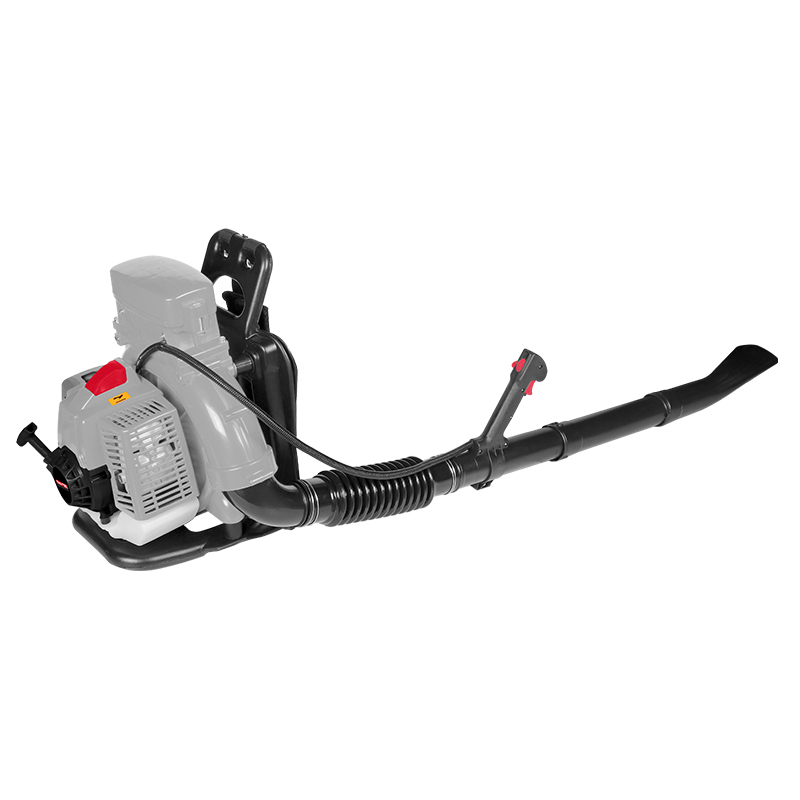 Blower
 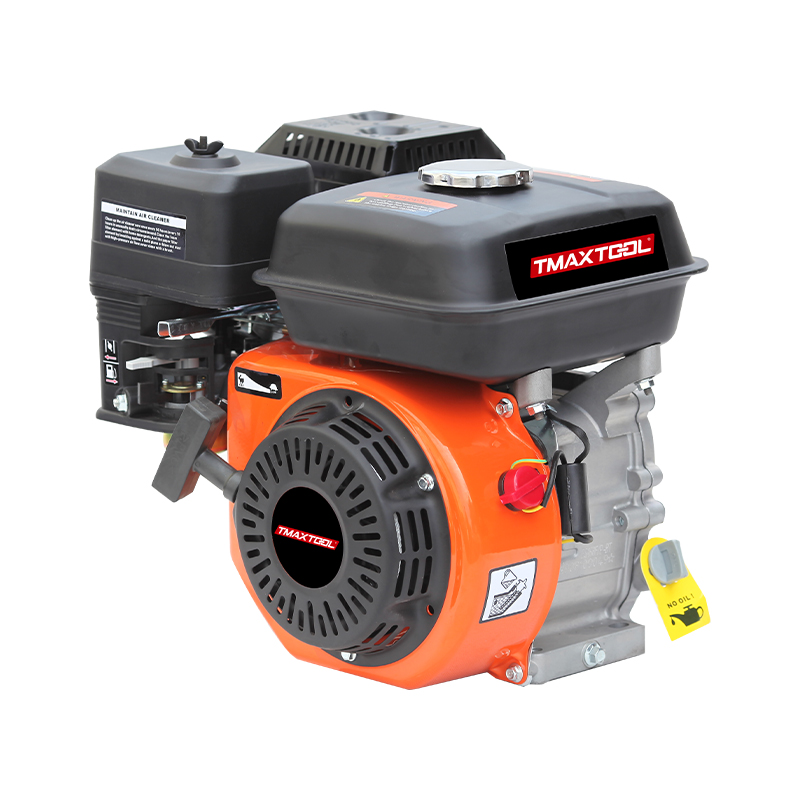 4 Stroke Gasoline Engine
 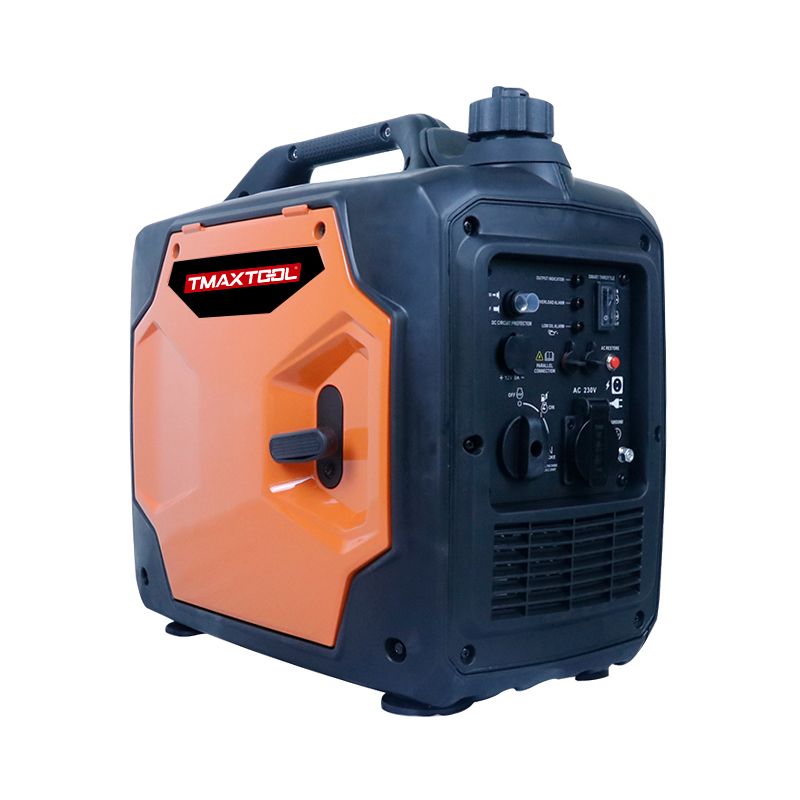 Generator
 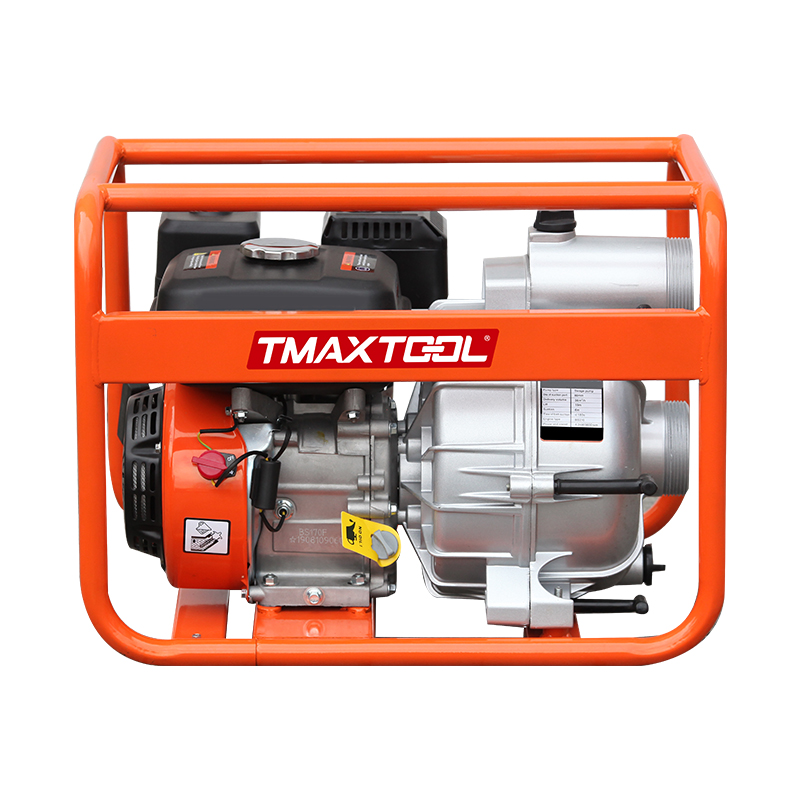 Water Pump
 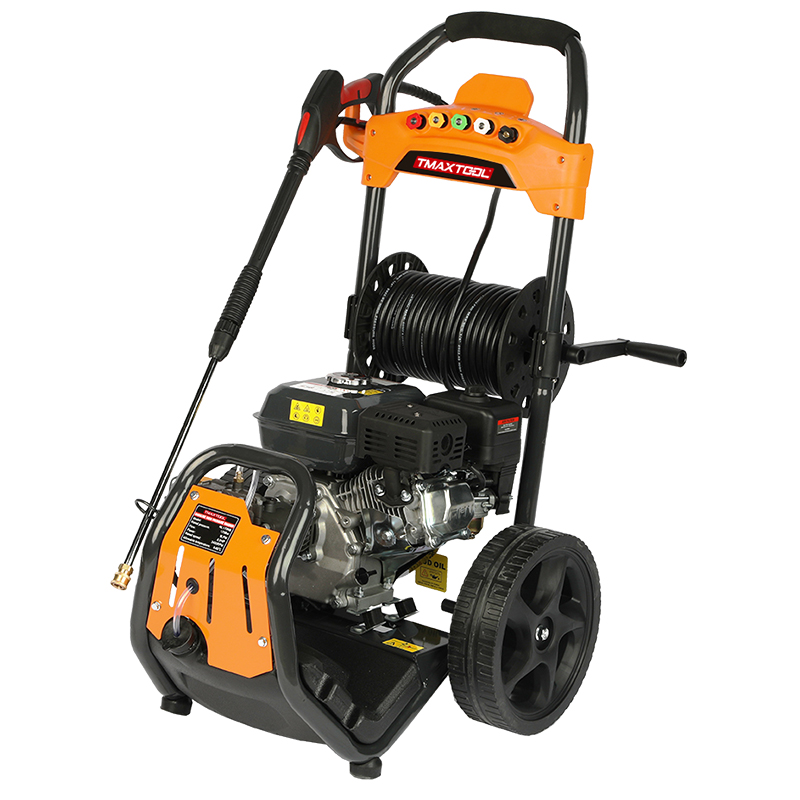 High Pressure Washer
 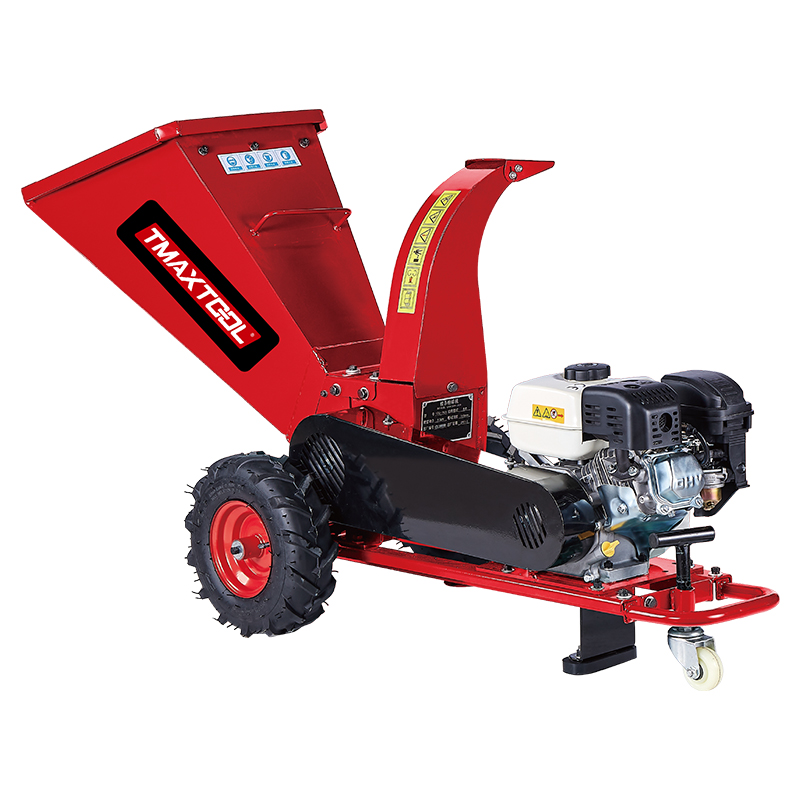 Wood Cutter
 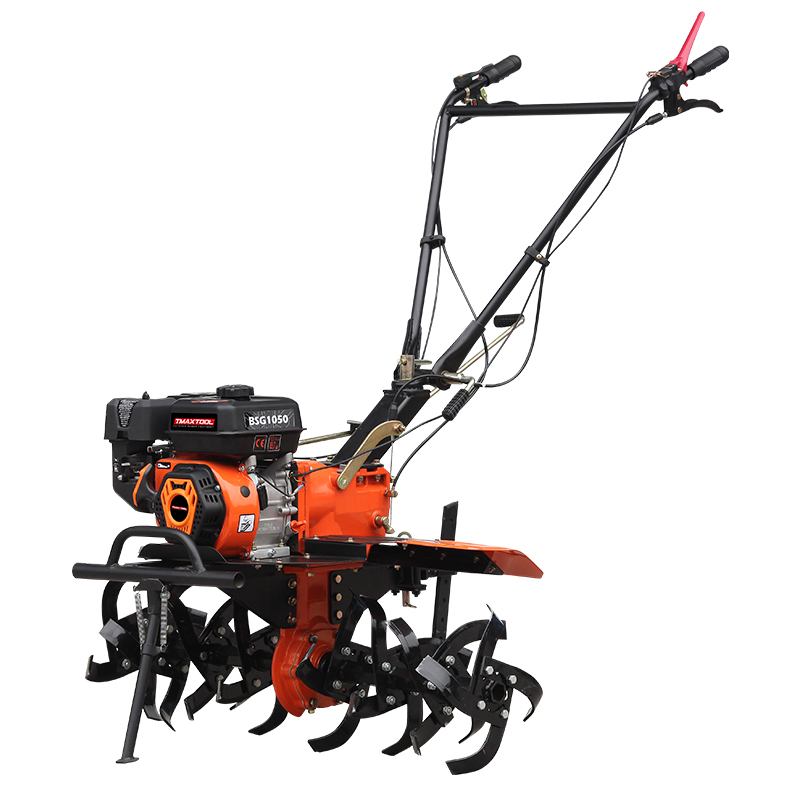 4 Stroke Tiller
 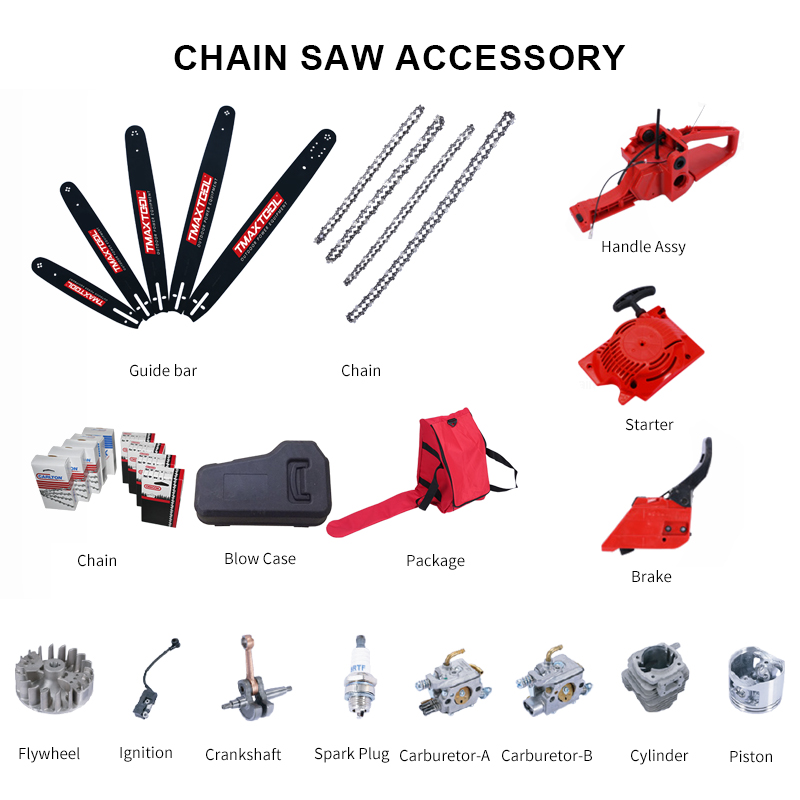 Chain Saw Accessory
 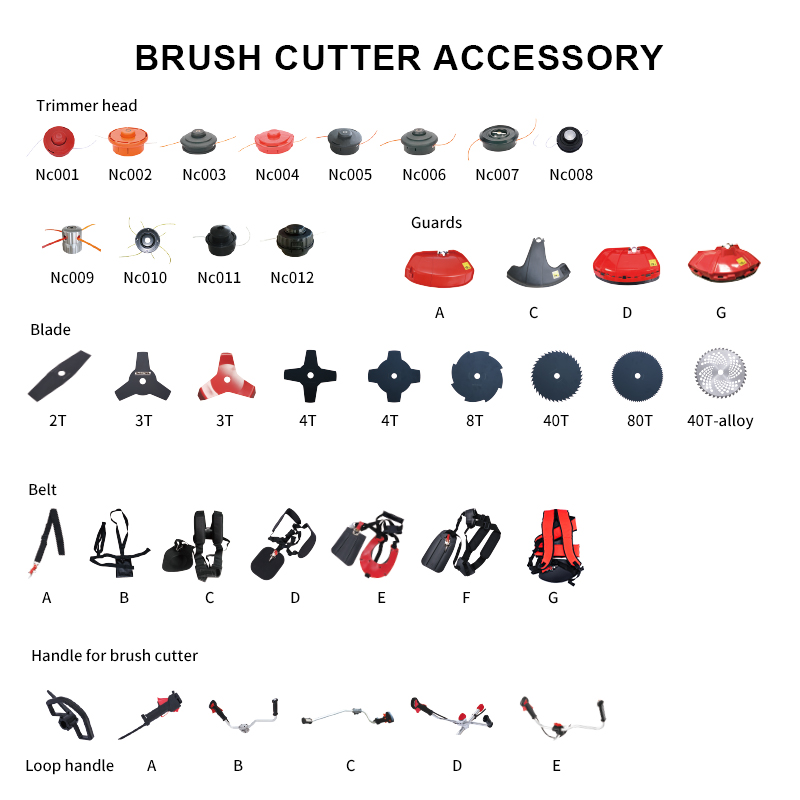 Brush Cutter Accessory
 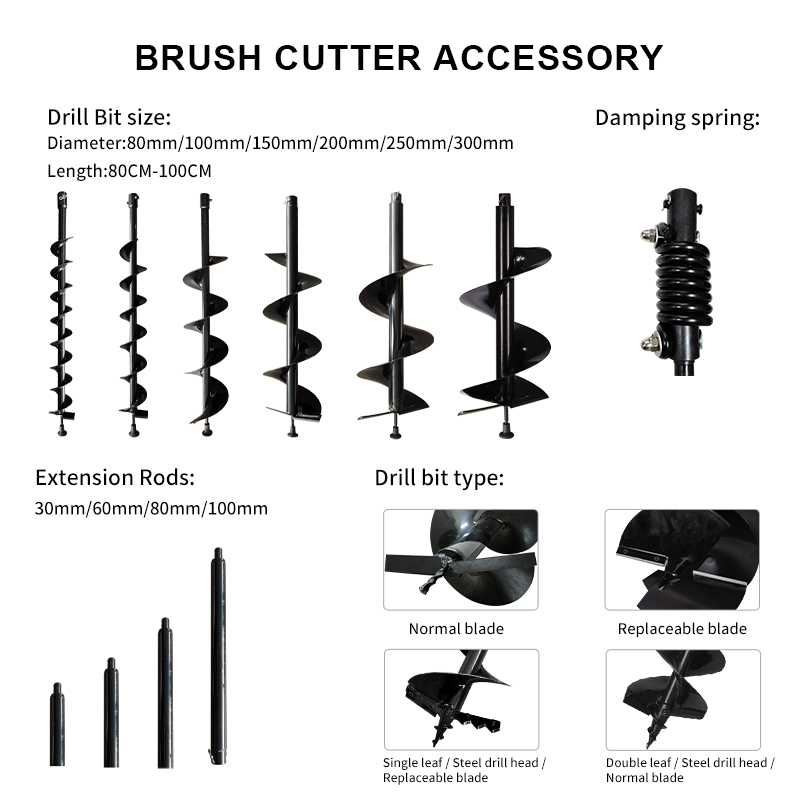 Earth Auger Accessory
 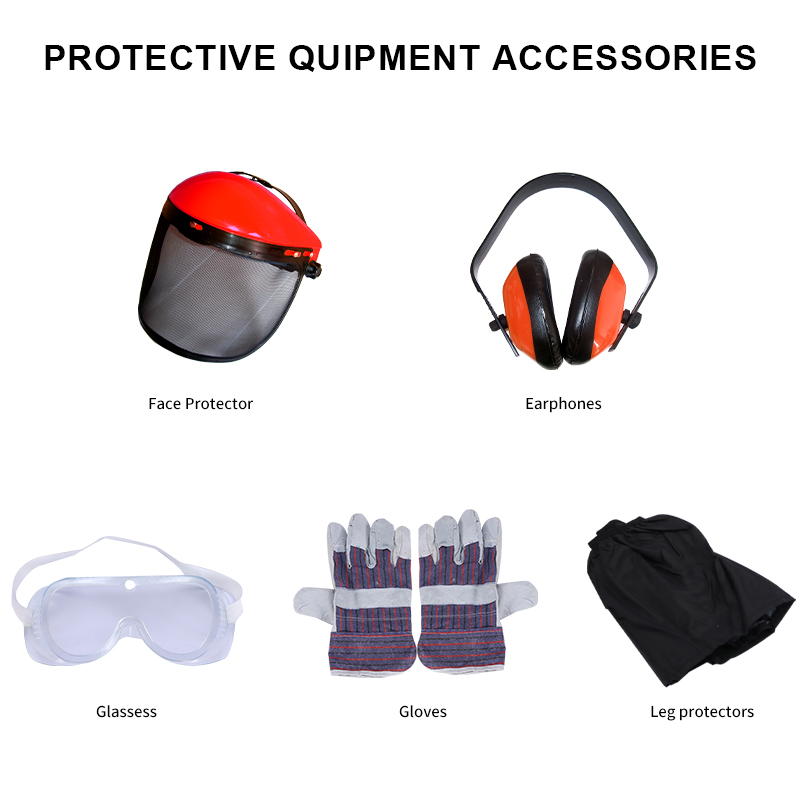 Protective Equipment Accessories
Leave Your Message


How durable is a 32CC two-stroke gasoline-powered brush cutter?
An In-Depth Analysis of the Durability of a 32CC Two-Stroke Gasoline lawn mower: Can It Really Withstand Frequent Use?
For those involved in home garden maintenance, small lawn care, or landscaping, a durable lawn mower is a crucial tool for improving efficiency and reducing costs. The 32CC two-stroke gasoline lawn mower, with its compact size, lightweight design, and powerful power, has become a popular choice for many. However, the two-stroke design and 32CC displacement have left many users wondering: How durable is it? Can it withstand long-term, frequent use? This article will thoroughly analyze the durability of a 32CC two-stroke gasoline lawn mower from four perspectives: core components, power characteristics, usage scenarios, and key maintenance points.

First, Understanding: What is the "Basic Durability" of a 32CC two-stroke lawn mower?
The core of durability lies in the wear resistance of its core components. The foundation of a 32CC two-stroke gasoline lawn mower's durability lies in its key structural design. Let's first analyze the durability of its core components:
1. Engine: The two-stroke structure is a double-edged sword, but the 32cc displacement is more suitable for durability needs.
The key features of a two-stroke engine are its simple structure, compact size, and high power density. Without complex valvetrains like valves and camshafts, there are fewer moving parts, and theoretically, fewer points of failure, which is its inherent advantage in durability. The 32cc displacement design dictates its primary design focus on small- to medium-duty applications.
Power output is consistently between 1.2 and 1.8 horsepower, meeting the demands of mowing lawns and weeds up to 500 square meters without overloading the engine.
The cylinder block is primarily constructed of die-cast aluminum alloy, offering superior heat dissipation compared to cast iron. Combined with a built-in forced air cooling system (most models feature dual-duct heat sinks), this effectively prevents overheating damage after prolonged use.
Key moving parts, such as the piston and crankshaft, undergo a high-frequency quenching treatment, increasing surface hardness by over 30% and reducing wear during reciprocating motion.
However, be aware that two-stroke engines rely on a fuel-oil mixture for lubrication. An improper mixture (e.g., too little oil) can lead to dry grinding of the cylinder block and pistons. This is the primary risk of human error, not a design flaw, that impacts durability.
2. Drive System: Simplified Design Reduces Failure Rates; Key Components Determine Lifespan
The 32cc two-stroke lawn mower's drive path is simple and direct: engine crankshaft → centrifugal clutch → drive shaft → work head (blade/nylon rope). Without a complex gearbox, transmission efficiency is high and losses are minimal. Two key components contribute to its durability:
Centrifugal Clutch: When engine speed reaches a certain threshold (usually above 3000 rpm), the clutch thrower engages the driven plate via centrifugal force, driving the work head. Automatically disengages at low speeds to prevent blade wear and tear during idling. The clutch thrower on premium models utilizes a wear-resistant asbestos composite material, boasting a service life of over 2000 hours, far exceeding the 500-800 hours of standard plastic throwers.
Drive Shaft: Most consumer-grade models utilize a solid steel shaft with a plastic sheath, while commercial-grade models upgrade to a chrome-plated hollow steel shaft, which is rust-resistant and bend-resistant. As long as the drive shaft is protected from weeds and impacts with hard objects, its lifespan is roughly comparable to that of the engine.
3. Working Head: The durability of the blade/nylon rope depends on the material and usage scenario.
The working head is the component that comes into direct contact with lawns and weeds, wears the fastest, and most significantly impacts the user's perception of durability.
Alloy Blade: Made of manganese steel, the blade has a hardness of HRC45-50, making it suitable for trimming tough weeds and thin branches (diameter ≤1cm). Under normal use, it can be sharpened 3-5 times, with a total lifespan of approximately 500 hours. Frequent use with stones and metal objects may cause the blade to chip and deform, requiring immediate replacement.
Nylon Mowing Rope: While ordinary nylon rope has a lifespan of approximately 10-15 hours, the "High-Toughness Polyethylene + Kevlar Fiber Blend" offers over 2 times the wear resistance, making it suitable for tackling thorny weeds and less prone to breakage.
Second. Field Test Verification: Where is the "Durability Limit" of a 32cc Two-Flush Lawn Mower?
Design alone isn't enough. We've combined 200 hours of real-world testing data (simulating household use, twice a week for one hour each time, and commercial use, four hours a day) to examine its performance in different scenarios:
1. Home Use: Lightly used, it's common to see no major repairs for five years.
For a 100-300 square meter lawn, mowing one to two times a week, each lasting 30-60 minutes:
Engine: After 200 hours, a disassembly inspection revealed no visible scratches on the cylinder block, good piston ring sealing, and compression pressure maintained at 0.8-1.0 MPa (new engine standard: 0.9-1.1 MPa), with power loss less than 10%.
Clutch: The slinger block showed only 0.2 mm of wear, with no slippage.
Consumable Parts: The blade can be sharpened with a single sharpening. The nylon cord should be replaced every two weeks on average.
Conclusion: As long as it's maintained according to the manual, a 32cc two-stroke lawn mower can easily achieve a service life of over five years in home use, with no major overhaul of core components.
2. Commercial Applications: High-Frequency Use. Proper Maintenance is Key to Durability
For commercial applications such as residential landscaping and small nurseries, operating 4-6 hours per day, 5 days per week:
Engine: Piston rings and spark plugs should be replaced after 500 hours (normal wear), while the cylinder block can continue to be used. If the oil mixture is strictly maintained at a 25:1 ratio (high-quality two-stroke oil), the piston ring replacement interval can be extended to 800 hours.
Transmission: After 1000 hours, check the clutch block for wear. If the thickness is less than 3mm, replace it; otherwise, power transmission lag will occur.
Working Head: The alloy blade should be replaced once a month on average, and the nylon cord should be replaced 1-2 times a day.
Conclusion: Under frequent commercial use, the "upper limit" of a 32cc two-stroke lawn mower's durability depends on maintenance frequency. With timely replacement of wearing parts and regular cleaning and maintenance, the total lifespan can reach 1500-2000 hours, offering better cost-effectiveness than a four-stroke model of the same displacement (which has a more complex engine structure and higher maintenance costs).
3. Extreme Scenarios: The "Test" of Durability in Harsh Environments
Harsh environments with rocky, humid conditions, and tall weeds (≥50cm tall) can affect the durability of a 32cc two-stroke lawn mower:
Rocks can easily chip blades and bend drive shafts, so clear the lawn of foreign matter in advance.
Wet conditions can easily clog the carburetor and rust metal parts. Dry the machine after use and spray it with rust inhibitor regularly.
Tall weeds can overload the working head, requiring the engine to run at high speeds for extended periods, requiring a five-minute rest every 30 minutes to prevent overheating.
Third. Myths Debunked: 3 Common Misconceptions About the Durability of 32cc Two-Stroke Lawn Mowers
Many people have misconceptions about the durability of two-stroke lawn mowers, but this is often due to improper use or misconceptions:
1. Misconception: "Two-stroke engines are more susceptible to failure than four-stroke engines."
Truth: Their simpler structure actually reduces the failure rate. Four-stroke engines have complex components like valves and timing chains, making them prone to problems like valve leakage and chain loosening over time. However, as long as the fuel and oil mixture is properly maintained, the lifespan of two-stroke engines' core components is no shorter than that of four-stroke engines. The real difference lies in fuel economy and noise, not durability.
2. Misconception: "The smaller the displacement, the less durable it is."
Truth: Durability has nothing to do with displacement but rather with load matching. A 32cc engine is suitable for small to medium-sized lawns. Using it to cut shrubs over 1 meter tall or branches over 2cm in diameter is considered "overload" and will naturally break down easily. However, if used on lawns for which it is intended, the "moderate load" will cause the engine to wear out more slowly, making it more durable than larger-displacement mowers.
3. Misconception: "Domestic two-stroke lawn mowers are less durable than imported ones."
Truth: The difference in core components is minimal, and quality control is key. High-quality domestic models now use imported materials for core components like engine blocks and clutches (for example, pistons using Japanese Honda technology and spark plugs from German Bosch). Choosing a reputable brand (such as Honda, Stihl, or the domestic Huasheng Zhongtian) will yield less than 10% durability compared to imported models, while costing only 1/2-2/3 the price, offering a better value.

Fourth. 6 "Golden Maintenance Tips" to Extend Lifespan (Proven Effective)
The durability of a 32cc two-stroke lawn mower is 70% machine-based and 3% maintenance-based. Mastering the following tips can extend your engine's life by over 50%:
1. Fuel Mixing: Strictly follow the right ratio and use High-Quality Engine oil.
Use only two-stroke engine oil (do not use four-stroke or automotive oil). The mixing ratio should be as specified in the manufacturer's instructions (usually 25:1 or 50:1, but for high-quality oil, this ratio can be as low as 50:1).
It is recommended to use 92-octane gasoline or higher. Avoid using "spoiled" gasoline that has been stored for over a month, as this can clog the carburetor.
2. Regular Maintenance: Replace wearing parts according to hourly schedules.
Every 25 hours: Clean the air filter (clean the foam filter element with soapy water, allow to dry, and then apply a small amount of engine oil). Check the spark plug gap (maintain 0.6-0.8mm).
Every 100 hours: Change the engine oil (if using an oil-immersed air filter), check for clutch wear, and lubricate the drive shaft.
Every 500 hours: Replace the piston rings and cylinder gasket, and disassemble the engine to clean carbon deposits (carbon deposits can cause power loss and overheating).
3. Correct Operation: Avoid Behaviors That Damage the Engine
When starting: First close the throttle. Pull the cord 3-5 times until you feel a rebound, then open the throttle and pull the cord again to start. Avoid damaging the starter by forcibly pulling the cord.
When operating: Avoid prolonged idling (idling for more than 5 minutes can cause carbon deposits) and avoid sudden acceleration/deceleration (which can impact the drivetrain).
When stopping: First turn off the work head switch, then idle for 30 seconds before shutting down the engine to allow the temperature to cool steadily.
4. Cleaning and Maintenance: Three Essential Things to Do After Operation
Use a high-pressure water gun (low-pressure mode) to rinse the work head and machine body from weeds and dirt to prevent residual grass juice from corroding the metal.
Dry the machine body dry and spray anti-rust oil on metal parts such as the blades and drive shaft.
Clean debris from the muffler to ensure unobstructed heat dissipation.
5. Storage Tips: Key Maintenance Tips for Long-Term Non-Use
If the engine is not used for more than one month, drain all the fuel from the tank and start the engine until it automatically shuts down (to prevent fuel from solidifying and clogging the carburetor).
Remove the spark plug and inject 5-10ml of two-stroke engine oil into the cylinder. Pull the pull cord 2-3 times to evenly distribute the oil on the cylinder wall to prevent rust.
Store the engine in a dry, well-ventilated area, away from direct sunlight and humidity.
6. Prompt Repair of Troubleshooting: Don't Let Minor Problems Lead to Major Problems
If the engine experiences difficulty starting: First check the spark plugs, air filter, and carburetor. 90% of starting problems are caused by these three components, and there's no need to replace the engine directly.
If the engine experiences a decrease in power: Clean the muffler and check the fuel mixture; this usually restores power.
If an unusual noise is heard: Stop the engine immediately and inspect it. This could be due to a loose drive shaft, clutch slippage, or unbalanced blades. Continued use could damage these components.
Fifth. Conclusion: Is a 32cc two-stroke gasoline lawn mower worth buying?
Back to the core question: How durable is a 32cc two-stroke gasoline lawn mower?
The answer is: with the right model, proper use, and regular maintenance, it can fully meet the durability requirements of a home for five years and commercial use for over 2,000 hours, making it a cost-effective choice for small and medium-sized lawns.
Its advantages are clear: small size (weighing only 4-6kg, even women can carry it easily), powerful power (easy to handle common weeds), and low failure rate (simple and easy to repair). Its disadvantages are slightly lower fuel economy and louder noise levels than four-stroke models. If you're a home user (lawn size ≤ 500 m2) or a small-scale gardener (working ≤ 4 hours per day), a 32cc two-stroke lawn mower is more than adequate for durability, affordability, and ease of maintenance. If you need to care for larger lawns (≥ 1000 m2) or seek ultimate quietness and fuel efficiency, consider a larger-displacement four-stroke model, though this will significantly increase your budget and weight.
Finally, a reminder: When choosing, prioritize the core component materials (such as the aluminum alloy cylinder, manganese steel blades, and compound clutch block) rather than simply considering the brand or price. High-quality, fundamental design is the fundamental guarantee of durability.